#Industry News
Four Core Values of the Coronary Intervention Training Model
Four Core Values of the Coronary Intervention Training Model
Coronary intervention is a core technology in the treatment of coronary heart disease; its precise operation and extremely low margin for error have long been hampered by threeThis model possesses the following four core values:
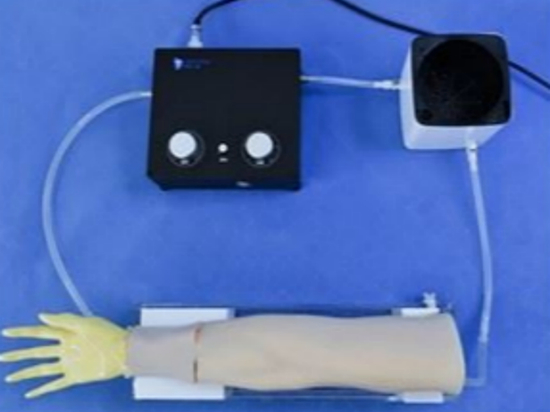
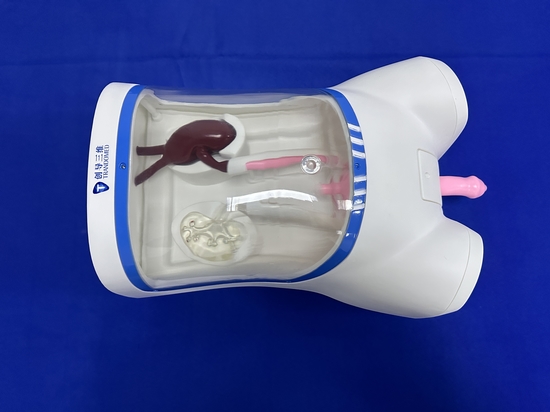
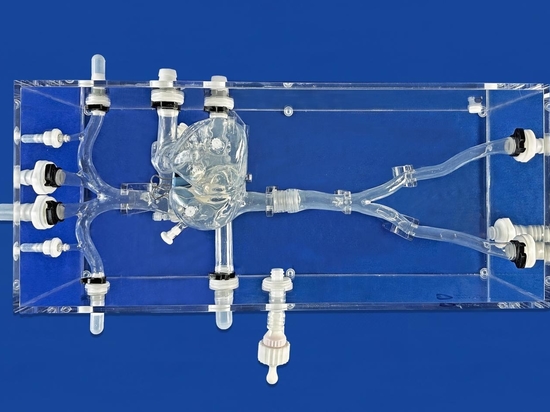
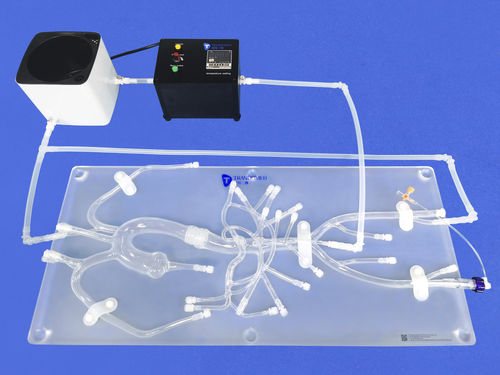
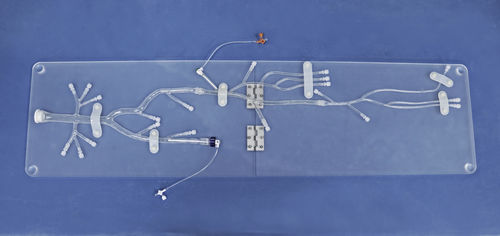
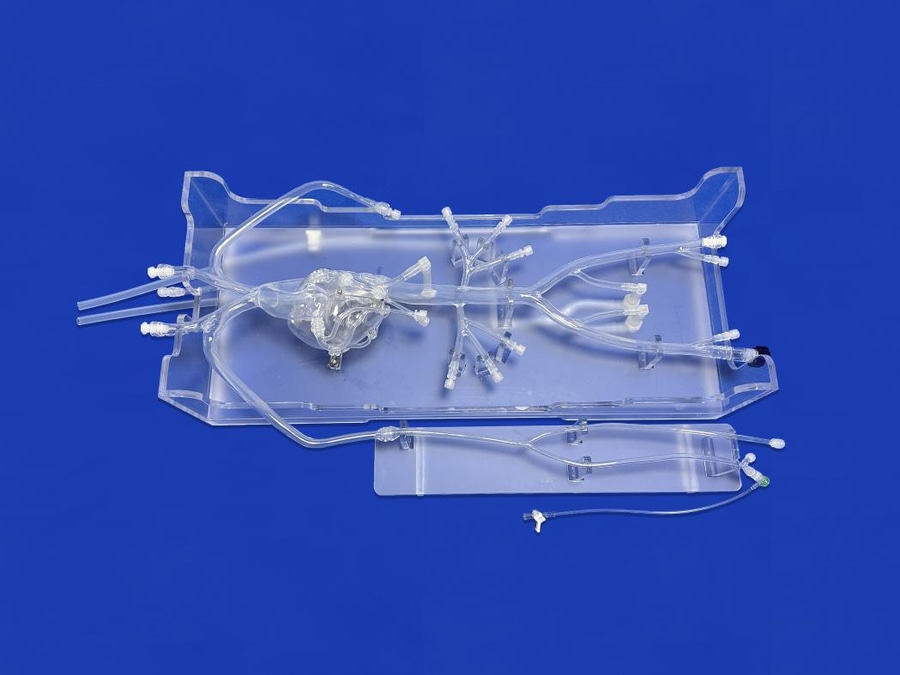
1. Highly Realistic Anatomy: Reconstructed and simulated based on real human coronary CT clinical data, it consists of the aorta, femoral artery, and radial artery.
2. Highly Relative Feel: Replicates the materials of real-world biomimetic blood vessels, replicating the frictional resistance, elasticity, and toughness of the human body; with optional biomimetic pulsatile blood flow, the feel of guidewire follow-up, stent release, and balloon dilation is highly consistent with the operating room.
3. Replaceable Lesions: Modular design covering all scenarios; a single model can handle complex coronary case simulations.
4. Full device compatibility: This model provides performance testing for mainstream coronary interventional devices such as guidewires, catheters, stents, and rotational atherectomies, meeting the needs of the entire R&D, validation, and teaching process.
Applicable users and usage scenarios:
1. Hospital Clinical Sector
1.1 Cardiology Residents: For those with no prior experience, repeated practice of puncture, guidewire insertion, and stent deployment ensures zero patient risk, quickly building practical skills and shortening the learning cycle.
1.2 Department Instructors: Standardized teaching and unified operating procedures allow for pre-operative case simulations and intra-operative debriefing for complex procedures, improving the overall success rate of departmental surgeries.
1.3 Interventional Operating Room Staff: Comprehensive simulation training before the implementation of new technologies and procedures reduces clinical error rates.
2. Medical Device Companies
2.1 Coronary Device R&D Engineers: Early-stage hands-on testing and passability verification of new stents and guidewires help identify design flaws and reduce rework.
2.2 Clinical Application & Training Specialist: Conducts academic promotion for distributors and practical training within hospitals, visually showcasing product advantages and improving conversion rates.
2.3 Registration & Testing Specialist: Completes pre-market simulation verification and data retention, optimizes the credibility of submitted test data, and accelerates product registration.
3. Research & University:
3.1 Medical School Mentors & Students: Provides coronary anatomy instruction and interventional therapy hands-on training, breaking the limitations of simply viewing specimens without hands-on experience and solidifying the foundation for junior medical students.
3.2 Research Institutes & Medical-Engineering Teams: Develops interventional robots, AI imaging, and novel consumables, providing stable and reproducible experimental platforms-such as the Detachable Coronary Model-to support research papers and projects. major pain points: difficulty for newcomers to learn, difficulty in validating new products, and difficulty in standardizing teaching. A Detachable Coronary Model that closely matches real clinical data, provides a realistic feel, and supports full-procedure simulation is no longer an optional configuration but an essential piece of equipment for hospital departments, medical device companies, and research institutions.