#Industry News
Young Physicians’ Training Dilemma: Fear of Vascular Perforation? Trandomed Neurovascular Simulation Models Reshape Neurointerventional Standardized Training
Young Physicians’ Training Dilemma: Fear of Vascular Perforation? Trandomed Neurovascular Simulation Models Reshape Neurointerventional Standardized Training
1. High Risks & Training Barriers Plaguing Neurointerventional Residents
Neuro Vascular System is known in the industry as "dancing on millimeter-scale blood vessels", featuring far higher operational difficulty and risk than conventional clinical operations. Human intracranial neurovessels are hair-thin, merely several millimeters in diameter, with intricate tortuosity, dense branches and fragile vessel walls. Tiny operational errors-excessive pushing force of guidewires, improper route selection or inaccurate microcatheter positioning-may trigger severe complications such as vascular rupture and embolism, even threatening patients' lives.
For resident physicians and young practitioners, learning neurointervention is a nerve-wracking journey. Their biggest obstacle lies not in insufficient theoretical knowledge, but the lack of a safe, repeatable and high-fidelity hands-on training environment.
2. Drawbacks of Traditional Resident Training Modes
Traditional neurointerventional training mainly relies on live clinical operations and animal experiments, both with irreparable flaws. On one hand, clinical case resources are limited, and vascular anatomy and pathological conditions vary widely among individual patients. Young doctors rarely accumulate sufficient hands-on experience within a short period. Daring not to practice on real patients, they are restricted to observing surgeries rather than performing operations independently. On the other hand, animal vasculature (pigs, rabbits, etc.) differs drastically from human intracranial vessels in structure, elasticity and tactile feedback. Animal intracranial vessels are thicker with mild tortuosity, inconsistent with anatomical features of human Circle of Willis and middle cerebral arteries. Even proficient operators on animal models may feel clumsy and unskilled when performing human surgeries, leading to unsatisfactory training outcomes.
Besides, traditional training burdens instructors with heavy pressure and high medical risks. Tutors must balance surgical safety and trainee teaching, trapped in a dilemma of "hesitant to hand over operations and unable to deliver efficient training". Most instructors admit inexperienced residents are prone to misoperations that may harm patients and trigger medical disputes. Such concerns force overly conservative teaching and extend trainees' training cycles. Trandomed's neurovascular training models perfectly solve these core conflicts and thoroughly revolutionize young physicians' growth paths.
3. Authentic 1:1 Vascular Restoration & Real Clinical Tactile Feedback
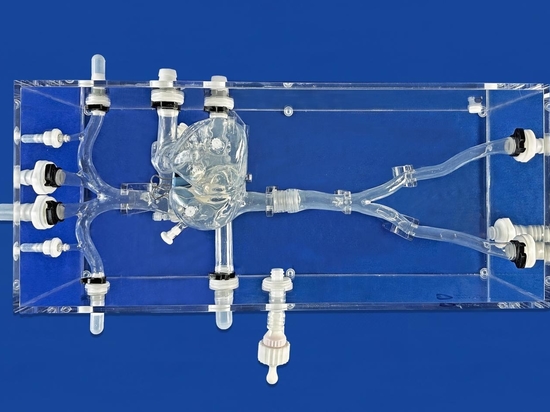
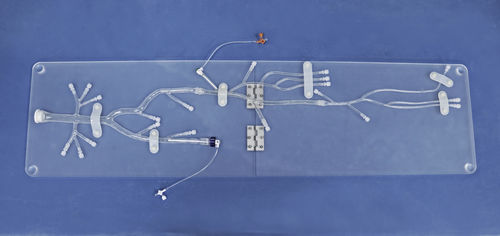
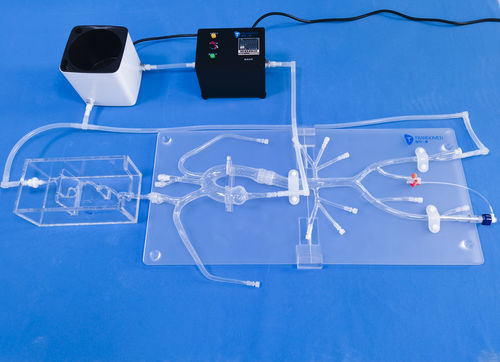
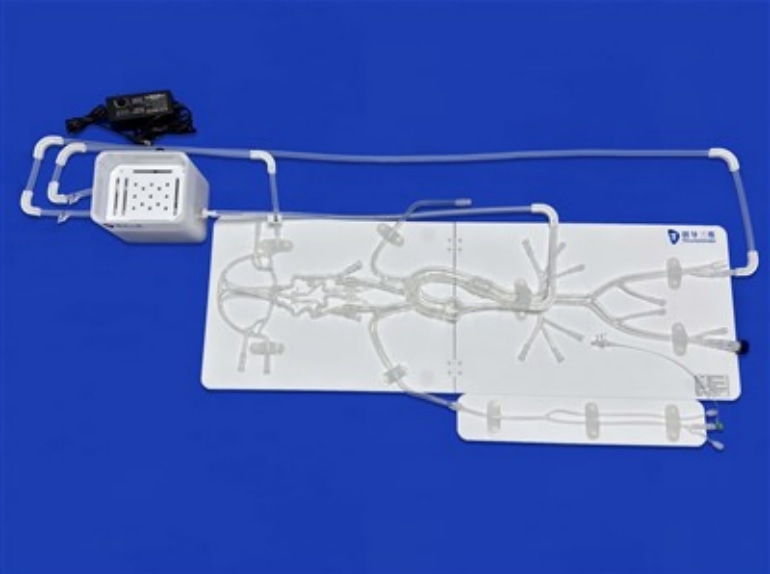
Trandomed's premium Neuro Vascular System are reconstructed from real human intracranial CT and MRI scans, replicating intracranial vascular anatomy at a 1:1 scale. Every tortuous angle, vessel diameter and wall thickness matches human anatomical reality, covering the Circle of Willis, middle cerebral arteries, anterior cerebral arteries and tiny distal branches, complete with subtle vascular textures and elastic texture.
Most importantly, the models deliver authentic intraoperative tactile feedback consistent with real surgeries: resistance during guidewire advancement, flexibility of microcatheter steering and elastic feedback of vessel walls. Trainees can repeatedly practice full procedural workflows in a zero-risk environment, including guidewire manipulation, microcatheter positioning, route planning, angiography interpretation and management of various simulated lesions.
4. Accelerate Young Doctors' Skill Building & Shorten Learning Curves
For young physicians, the zero-risk, repeatable training platform is critical for rapid skill improvement. They can repeatedly practice guidewire entry angles and propulsion force, master navigation skills for tortuous vessels, and simulate interventions for calcification, stenosis, aneurysms and other complex lesions until stable muscle memory and precise operational techniques are formed.
Simulation training drastically shortens the learning curve, guiding trainees from understanding surgical workflows to independent operation and confident management of complex lesions. When stepping into real operating rooms, doctors gain solid clinical confidence and proficient skills to reduce misoperations and procedural risks.
5. Standardized, Low-Risk Teaching Assistance for Instructors
For department directors and tutors, Trandomed's simulation models serve as powerful tools to boost training efficiency and standardize teaching procedures. Based on unified simulation platforms, instructors can formulate standardized training programs, deliver targeted guidance and professional assessments, and correct non-standard surgical maneuvers in a timely manner to ensure all residents master core clinical skills.
Simulation training also eliminates medical hazards caused by trainees' misoperations, making teaching safer, more efficient and clinically relevant. Nowadays, neurointerventional departments across numerous hospitals have incorporated Trandomed neurovascular models into mandatory daily resident training systems. Acting as a stepping stone for young practitioners, these simulators advance standardized and efficient neurointerventional training, cultivating qualified Neuro Vascular System faster to deliver safer, more precise diagnosis and treatment for patients.