#Industry News
Custom 3D Anatomical Models Deliver Precise Test Data for Stanford Type A Aortic Dissection, Resolving Barriers to Realistic Anatomical Replication
Custom 3D Anatomical Models Deliver Precise Test Data for Stanford Type A Aortic Dissection, Resolving Barriers to Realistic Anatomical Replication
In cardiovascular surgery, aortic dissection is widely known as a "time bomb" lurking inside the human body. Characterised by abrupt onset, rapid progression and high mortality rates, it imposes stringent demands on clinicians for clinical diagnosis, surgical operations, and the performance of interventional medical devices.
For junior surgeons, how can they gain authentic clinical tactile experience before performing real surgeries? For medical device R&D teams, how can they efficiently and compliantly verify the crossability and anchoring force of new stent products? For marketing teams, how can they showcase core product advantages to customers at exhibitions at a glance?
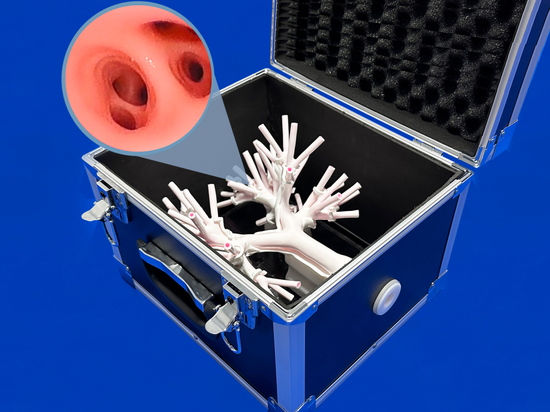
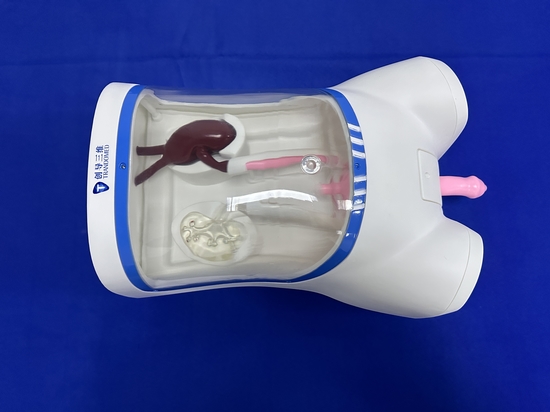
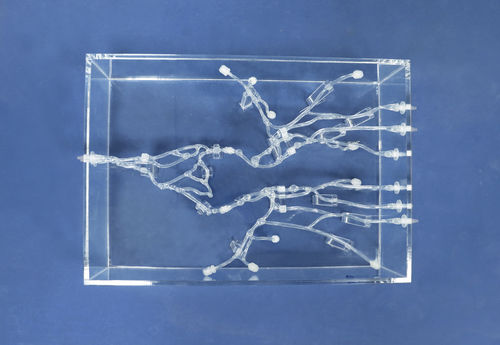
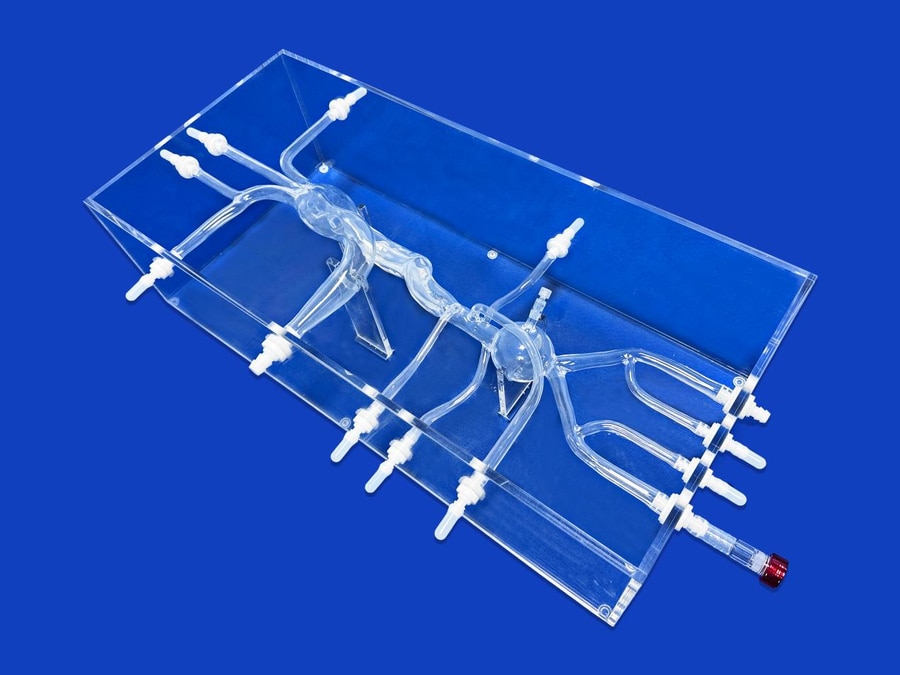
Trando 3D’s custom simulation system — the High-Fidelity Aortic Dissection Training & Surgical Simulation Model — delivers an all-in-one solution featuring superior physical realism and multi-scenario adaptability for medical education, device research and development, and academic exhibitions.
Why Choose Trando 3D?
1. Faithful Recreation of Real Pathological Classification
All models are reconstructed in 3D based on CT/MRI scans from real patients, with anatomically accurate replication of Stanford Type A and Type B aortic dissection. Every detail, including the location of intimal tears, the size of false lumens, and affected branch vessels, is reproduced with ultra-high realism.
2. Multi-Material Manufacturing for Authentic Tactile Feedback
We adopt self-developed bionic polymer materials that closely match the elasticity, compliance and friction coefficient of native human blood vessels. When performing guidewire navigation and stent deployment, practitioners receive tactile feedback nearly identical to real clinical procedures.
3. Modular Design for Versatile Customisation
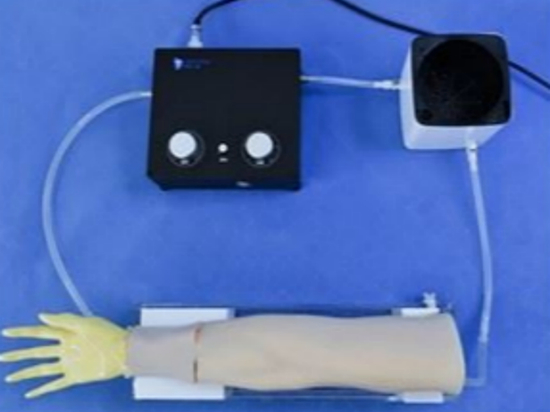
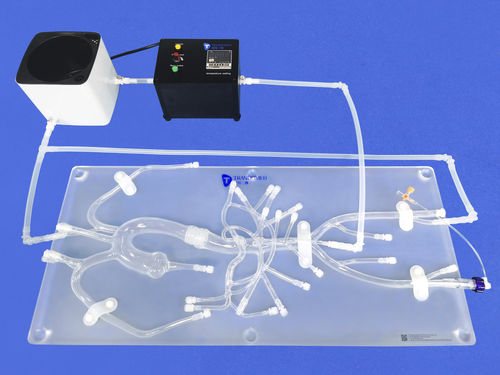
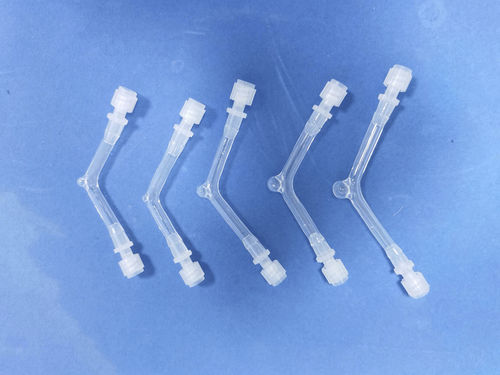
The model supports custom modular combinations. Users may swap out modules representing different dissection lesions according to training or testing needs, or integrate an extracorporeal circulation pump to simulate real haemodynamic conditions.
Three Core Application Scenarios
1. In-Depth Surgical Device Training: Master Complex Interventional Challenges
Aortic dissection surgeries such as Thoracic Endovascular Aortic Repair (TEVAR) require seamless coordination between multiple devices. This model replicates the full operational workflow of key interventional devices from morphological and functional perspectives:
Stent Graft Systems: Simulate the delivery, positioning and deployment of stents across curved aortic arches. Evaluate stent apposition within the true lumen, visualise how effectively intimal tears are sealed and false lumens excluded, and assess protective performance for branch vessels including the left common carotid artery and left subclavian artery.
Delivery Systems, Guidewires & Catheters: Clinicians and technicians can repeatedly practise navigating guidewires past false dissection lumens and through diseased segments, gaining real-world experience with guidewire torque control and compliance.
Tear Suture & Branch Reconstruction Devices: For complex Type A dissections, the model supports simulation of fenestration techniques, chimney graft procedures and deployment of various branch stents.
2. R&D & Test Laboratories: Accelerate Medical Device Time-to-Market
Animal testing in the early R&D phase of medical devices suffers from high costs, long lead times and ethical constraints. Trando 3D’s models provide a cost-effective, repeatable in-vitro testing platform:
Pushability & Trackability Testing: Quantify delivery system propulsion resistance across tortuous vascular anatomies within standardised anatomical models.
Fatigue & Compliance Testing: Paired with a pulsatile extracorporeal circulation pump that replicates human blood pressure and fluid shear stress, the model evaluates long-term stability and anti-migration performance of stents under pressure gradients between true and false dissection lumens.
Size Matching Validation: In the early research stage, verify the interference fit and landing zone performance of stents with varying diameters and lengths across different dissection classifications.
3. Exhibitions, Academic Conferences & Commercial Demos: Standout Attraction to Boost Lead Generation
At medical equipment expos (e.g. CMEF) and cardiovascular academic conferences, dynamic visual demonstrations deliver far more persuasive value than static PowerPoint slides:
Live Dynamic Surgical Demos: Equipped with transparent water tanks and circulating stained fluid, booth staff can showcase full stent deployment workflows in real time, allowing visiting specialists and distributors to directly observe the sealing efficacy of your devices.
Hands-On Interactive Experience: Invite attending clinicians to manipulate guidewires themselves, letting them feel the smoothness and steerability of interventional devices first-hand to strengthen brand recognition and conversion rates.
Custom Case-Specific Displays: Bespoke dissection models can be fabricated to match the unique selling points of innovative devices — such as stents engineered for complex intimal tears — to highlight differentiated product advantages.
At Trando 3D, we believe every precise training exercise and scientific test conducted on our models builds greater capacity to save lives in clinical practice.