#Industry News
When Conventional Sterilisation Fails Against Resistant Pathogens
In a world where the threat of infection is continually on the rise, conventional disinfection techniques utilized in hospitals and other medical facilities are becoming obsolete.
Conventional chemical and manual disinfection is losing ground to antibiotic-resistant organisms such as Clostridium difficile, MRSA and Acinetobacter baumannii. UV-C light offers chemical-free, near-total inactivation for medical facilities.
As the threat of infection rises, the conventional sterilisation methods used in hospitals are becoming obsolete against antibiotic-resistant microorganisms and viruses, among them Clostridium difficile, Staphylococcus aureus (MRSA) and Acinetobacter baumannii. The limitations of chemical, manual disinfection are concrete: it fails to fully eliminate microorganisms in hard-to-reach areas, leaves contaminated surfaces that spread infection to vulnerable patients, exposes staff to irritant chemicals, and burdens the environment.
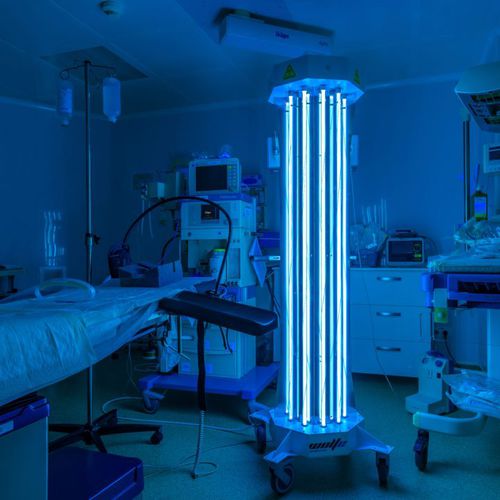
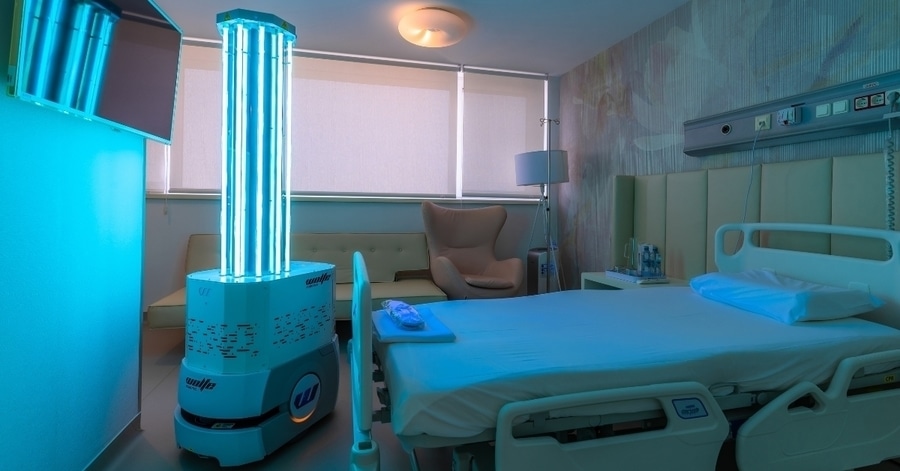
UV-C light disinfection offers a different mechanism. By destroying the DNA or RNA of viruses, bacteria and moulds without chemicals or hazardous residues, it inactivates microorganisms to close to 100% — improving both air quality and surface hygiene. It is eco-friendly, with no aggressive chemicals, and it is cost- and time-efficient: once a UV-C system is in operation it protects the space without further labour or maintenance investment, delivering long-term value.
See how Wolf-e Robotics' UV-C air and surface systems target resistant pathogens on the company's MedicalExpo profile!
/antibiotic-resistant pathogens, UV-C disinfection, MRSA, Clostridium difficile, hospital sterilisation/