#Industry News
The Economic Case for Automated Infection Control in Hospitals
Today, healthcare-associated infections are no longer just a medical issue. They have become a major economic and operational challenge for healthcare systems around the world.
Healthcare-associated infections have become an economic and operational crisis, not only a clinical one. In Romania alone they are linked to roughly five deaths a day and €100–300 million in annual cost, and even a 10–20% reduction could save €50–100 million a year. Automation and UV-C robotics are emerging as critical hospital infrastructure.
Hospitals have invested heavily in digitalisation and equipment, yet one of the costliest challenges remains under-addressed: healthcare-associated infections (HAIs) and their economic impact. The WHO ranks antimicrobial resistance among the greatest global health threats, and reducing HAIs is central to curbing antibiotic overuse.
The figures are stark. In Romania, official estimates attribute about five deaths a day to HAIs — likely an undercount given historical underreporting — with a real infection rate of roughly 5–7% of admissions and a direct and indirect economic impact estimated at over €100–300 million a year. Antibiotic consumption runs well above the OECD average (26 versus 16 daily doses per 1,000 inhabitants), the country has among the EU's lowest staffing levels (about 3.5 doctors per 1,000 versus a European average of 4.1), and preventable mortality sits more than 70% above the OECD average. Across Europe there are more than 4.3 million HAI cases annually, 16–25 million additional hospitalisation days, and estimated costs of €5.5–24 billion; in the United States, 1.7–2 million patients, more than 90,000 deaths, and $28–45 billion in direct annual costs.
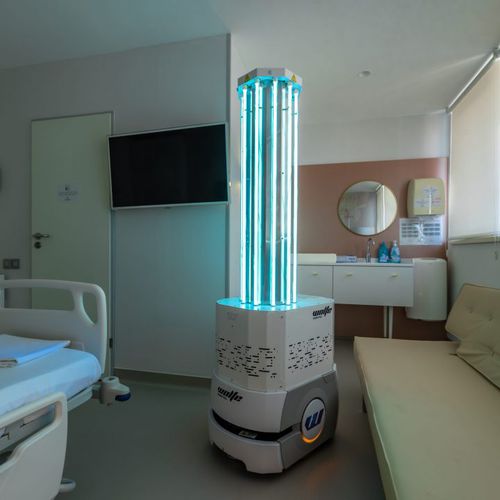
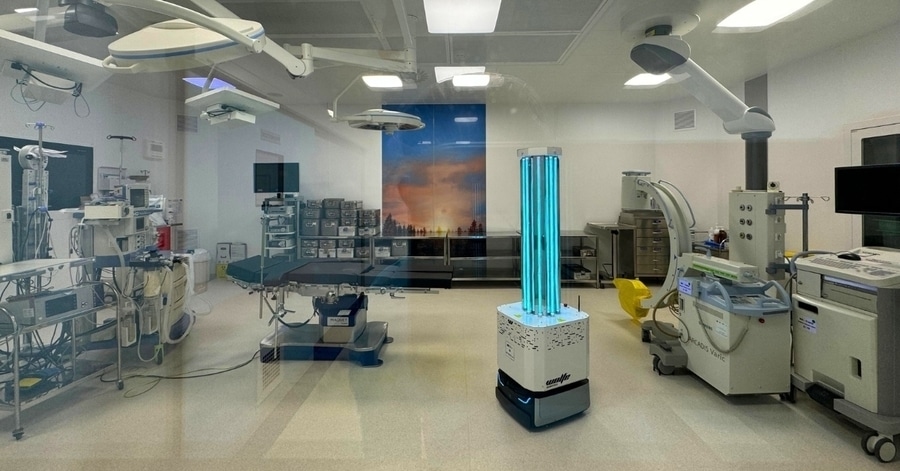
The opportunity is proportionate. A 10% reduction in Romania's HAI rate could yield over €50 million in annual benefit, and a 20% reduction over €100 million, through shorter stays, better bed utilisation and lower antibiotic and complication costs. This is why leading health systems now treat indoor air and surfaces as critical infrastructure, accelerating investment in autonomous robotics, automated UV-C disinfection, real-time monitoring, digital traceability and AI-based operational control.
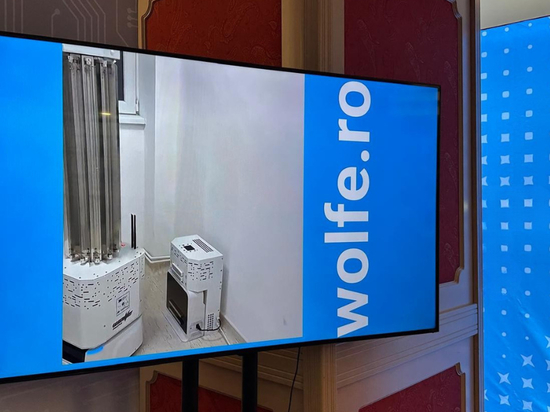
Discuss the operational and economic case for automated UV-C infection control with Wolf-e Robotics on MedicalExpo!
***
/ HAI economic impact, infection control ROI, UV-C automation, antimicrobial resistance, smart hospital infrastructure/