
#Product Trends
Medical Film Viewers: The Visual Foundation and Technological Evolution of High-Precision Diagnosis
Beyond the Department of Radiology: The Widespread Application of Medical Film Viewers in Clinical Diagnosis, Teaching and Consultation
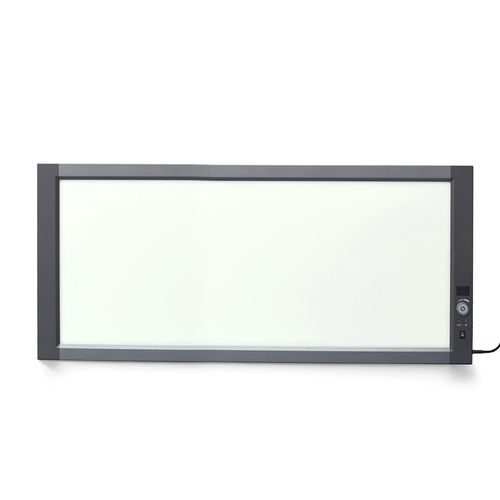
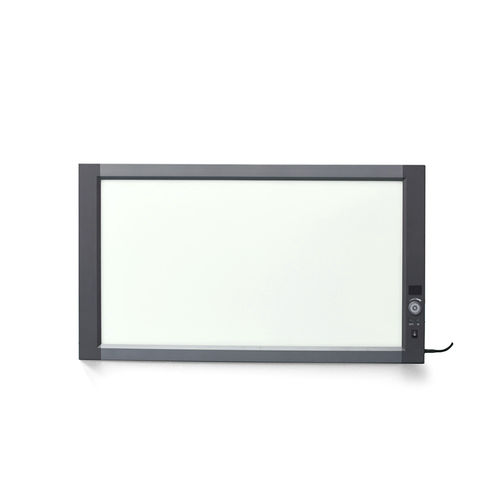
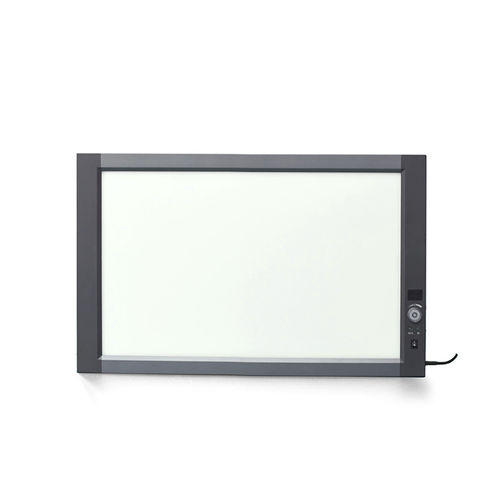
Medical film viewers (also known as X-ray film viewers or reading lights) are specialized illumination devices used in radiological diagnosis to observe and analyze medical imaging films, including X-rays, CT scans, MRI scans, DSA scans, and mammography films. By providing a high-brightness, uniformly distributed light source, they directly influence a physician’s ability to detect subtle lesions and ensure diagnostic accuracy.
I. Core Technology: From Fluorescent Tubes to Advanced LED Systems
The evolution of film viewers represents a major leap from traditional fluorescent lamps to today’s LED (light-emitting diode) light sources.
1. Key Technical Parameters
High Luminance: Brightness is the most critical factor. For dense films, such as mammography or high-density industrial images, powerful illumination is essential. Mainstream LED film viewers typically exceed 4000 cd/m², while premium models can reach over 6000 cd/m².
Brightness Uniformity: Uniform illumination across the viewing area is vital. Professional standards require ≥90% uniformity, with top-tier devices achieving ≥98%. Poor uniformity can distort image perception, particularly at the edges.
Dimming and Color Temperature: Modern LED viewers adopt PWM (pulse width modulation) digital dimming, enabling smooth, stepless brightness control while eliminating flicker. This greatly reduces eye fatigue. A color temperature around 6500K, close to natural daylight, provides optimal contrast and image clarity.
2. Ergonomic Enhancements
LED light sources emit cold light, eliminating excess heat common with older fluorescent systems and improving viewing comfort. Slim, ultra-thin designs also make the devices lighter, space-efficient, and better suited for modern clinical environments.
II. Application Scenarios and Intelligent Trends
Medical film viewers are indispensable across healthcare settings, supporting both clinical practice and academic instruction.
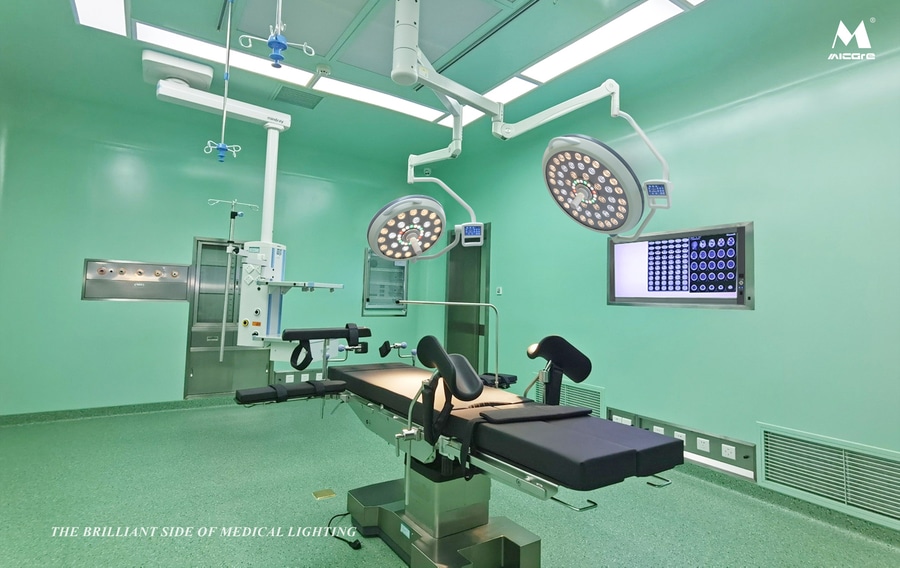
Clinical Diagnosis & Multidisciplinary Consultation: Essential in radiology, orthopedics, neurology, and cardiology, film viewers assist in image interpretation, preoperative planning, and case discussions.
Teaching & Training: Widely used in medical schools and teaching hospitals, they provide a platform for presenting case studies, pathology analysis, and film-reading instruction.
Flexible Installation: Available in wall-mounted, desktop, and mobile floor-standing models, ensuring adaptability to diverse clinical needs.
III. Competitive Advantages of the Nanchang Micare MG Series
The Nanchang Micare MG Series represents the integration of advanced LED technology with ergonomic and intelligent design. Its strengths are reflected in four core areas:
Ultra-Thin Structure: With a slim profile of just 25–30 mm, the MG series saves space while aligning with the clean, modern aesthetic of contemporary medical institutions.
Eye Protection Technology: The advanced PWM low-voltage dimming system ensures stable, flicker-free illumination, safeguarding the vision of clinicians during long hours of film interpretation.
High Uniformity & Clarity: Imported acrylic panels, LCD light guides, and optimized LED arrays provide exceptional uniformity and light transmittance, delivering a reliable foundation for high-precision diagnostics.
Smart Control System: Automatic light-sensing enables intelligent operation—activating when a film is inserted and switching off when removed—streamlining workflows while conserving energy.
Conclusion
With its combination of slim design, flicker-free dimming, intelligent sensing, and superior optical performance, the Nanchang Micare MG Series offers modern healthcare institutions a professional, ergonomic, and dependable solution for medical image viewing.