#Product Trends
Flexible Stability in Trauma Surgery
The Double-Button Lift System for AC Joint and Syndesmosis Repair
In orthopedic trauma surgery, one of the greatest challenges is achieving stable joint fixation while preserving natural biomechanics. The historical “gold standard” of rigid screw fixation is increasingly being replaced by suspension and tensioning systems that allow controlled, physiologic micromotion.
At Orthosyn Medical, the Double Button Lift System embodies this modern philosophy, providing surgeons with a single, dependable solution for two key anatomical regions: the acromioclavicular (AC) joint and the ankle syndesmosis.
1. Shoulder Application: Acromioclavicular (AC) Joint Reconstruction
In Rockwood Type III and higher AC joint separations, superior displacement of the clavicle significantly compromises shoulder girdle stability.
The Role of the Double Button Lift System
The system functions as an “internal artificial ligament,” restoring the role of the torn coracoclavicular (CC) ligaments.
Anatomic Reduction:
By anchoring between the coracoid process and the clavicle, the adjustable buttons enable precise inferior repositioning of the clavicle to its native anatomical alignment.
Controlled Flexibility:
The shoulder requires complex three-dimensional motion. Unlike rigid fixation methods such as hook plates or screws—which may restrict movement or cause bone erosion—the Double Button system accommodates physiologic clavicular rotation.
No Routine Implant Removal:
Thanks to its low-profile, biocompatible design, secondary hardware removal is typically unnecessary, optimizing recovery and reducing overall patient burden.
2. Ankle Application: Syndesmosis Fixation
Syndesmotic ligament complex injuries occur in approximately 20% of ankle fractures and may result in diastasis between the tibia and fibula, leading to instability.
Advantages Over Traditional Syndesmotic Screws
Conventional syndesmotic screws create rigid fixation, restricting the fibula’s natural motion. This often leads to screw breakage, loosening, or the need for routine removal after healing.
The Double Button Lift System introduces a biomechanically adaptive approach:
Physiologic Micromotion:
Allows controlled rotational and axial movement of the fibula relative to the tibia during gait, supporting long-term cartilage health.
Reduced Risk of Malreduction:
Adjustable loop technology enables surgeons to apply precise compression, ensuring optimal fibular positioning within the incisura without over-tightening.
Potential for Earlier Weight Bearing:
With high fatigue resistance compared to static screw constructs, the system may allow earlier mobilization in appropriate clinical cases.
Shared Biomechanical Advantages
Whether used in the shoulder or ankle, the Double Button Lift System offers key operative benefits:
Adjustable Loop Technology:
Enables intraoperative tension customization for patient-specific stabilization—balanced, controlled, and anatomically respectful.
Knotless Design:
Eliminates complex knot tying, reduces surgical time, and minimizes soft tissue irritation.
High Tensile Strength:
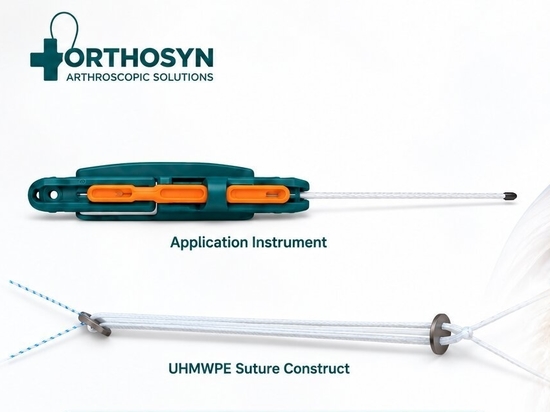
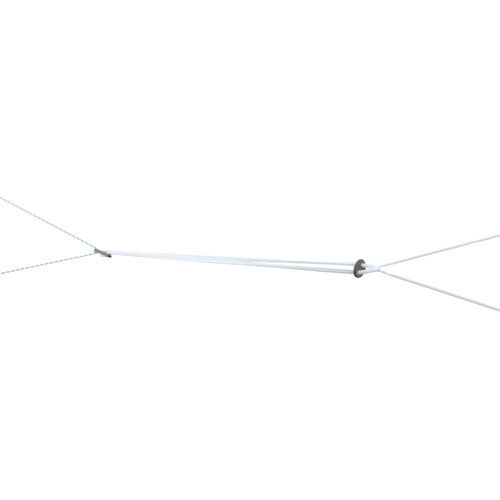
Constructed from Ultra-High Molecular Weight Polyethylene (UHMWPE) sutures combined with titanium buttons, the system withstands forces well beyond physiological demands.
Conclusion
From AC joint reconstruction to ankle syndesmosis stabilization, the Double Button Lift System represents a modern biomechanical solution designed to enhance surgical precision, reduce complication rates, and preserve natural joint motion.
For detailed product indications, surgical technique guides, and complete kit information, please contact Orthosyn Medical.