#Product Trends
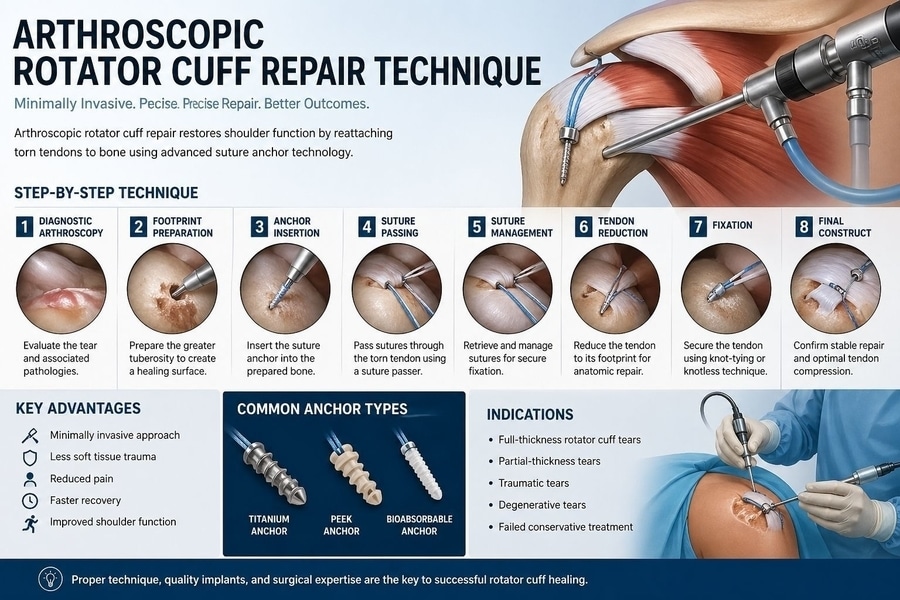
Arthroscopic Rotator Cuff Repair Technique: Step-by-Step Surgical Guide
A comprehensive overview of arthroscopic rotator cuff repair, including surgical steps, fixation techniques, and implant selection.
Arthroscopic rotator cuff repair is a minimally invasive surgical procedure used to treat tears of the rotator cuff tendons in the shoulder. It is one of the most commonly performed procedures in orthopedic sports medicine and shoulder surgery.
This technique allows surgeons to restore tendon function, reduce pain, and improve shoulder mobility with minimal tissue damage.
The rotator cuff consists of a group of muscles and tendons that stabilize the shoulder joint and enable a wide range of motion. Tears may occur due to trauma, degenerative changes, or repetitive stress.
Common symptoms include shoulder pain, weakness, limited range of motion, and night pain.
Arthroscopic repair is typically indicated for full-thickness tendon tears, symptomatic partial tears, failure of conservative treatment, and active patients with functional limitations.
The procedure begins with proper patient positioning, either in the beach-chair or lateral decubitus position, to optimize access to the shoulder joint. Standard arthroscopic portals are then established to access the glenohumeral joint and subacromial space.
Diagnostic arthroscopy is performed to evaluate the extent of the tear and identify associated pathologies such as labral injuries or biceps tendon lesions.
The greater tuberosity is prepared using a burr to create a bleeding bone surface, which enhances tendon healing.
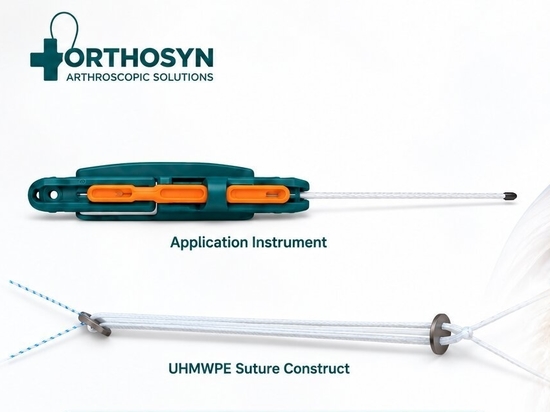
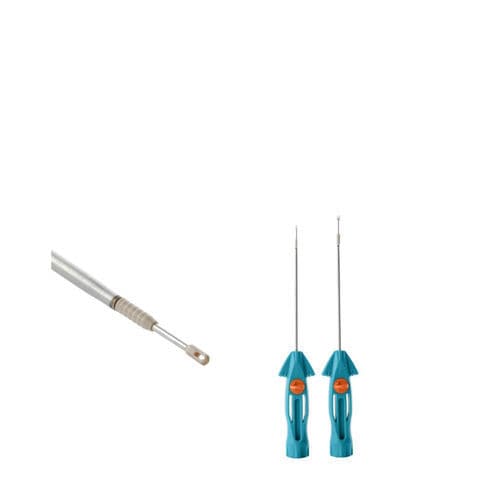
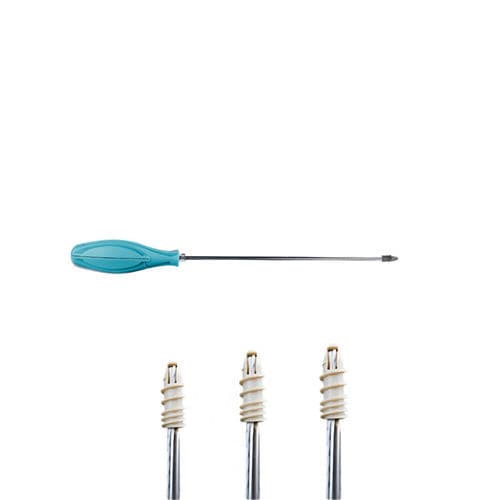
Suture anchors are then inserted into the bone to secure the torn tendon. Various types of anchors can be used, including titanium anchors, PEEK anchors, and bioabsorbable anchors.
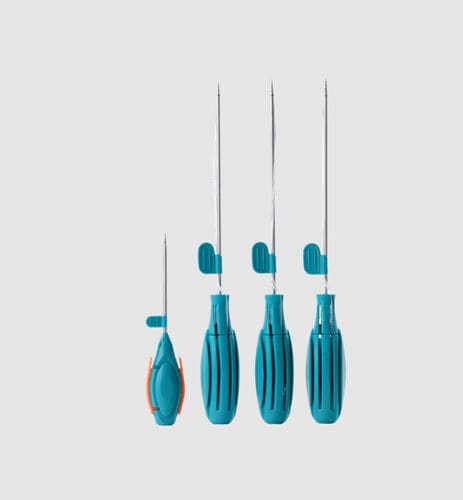
Sutures are passed through the tendon using specialized instruments, and the tendon is reattached to the bone using fixation techniques such as single-row, double-row, or suture bridge configurations. Double-row and knotless techniques provide improved contact area and biomechanical stability.
Arthroscopic repair offers several advantages, including minimal invasiveness, reduced postoperative pain, faster recovery, improved visualization, and lower complication rates.
Modern rotator cuff repair relies heavily on advanced implant systems, particularly suture anchors, which play a critical role in achieving stable fixation and successful healing.
Orthosyn Medikal provides a wide range of suture anchor solutions designed to support efficient, reliable, and high-performance rotator cuff repair procedures.