#Product Trends
Materials Used in Shoulder Arthroscopy
A comprehensive overview of the surgical instruments, implants, and fixation systems commonly used in modern shoulder arthroscopy procedures.
Shoulder arthroscopy is a minimally invasive surgical procedure used to diagnose and treat various shoulder joint pathologies, including rotator cuff tears, labral injuries, biceps tendon disorders, and impingement syndromes. The success of these procedures depends not only on surgical technique but also on the quality and selection of the instruments and implants used during surgery.
Modern shoulder arthroscopy relies on a wide range of advanced visualization systems, surgical instruments, fixation devices, and supporting equipment designed to improve precision, efficiency, and clinical outcomes.
Arthroscopic Visualization Equipment
Arthroscope
The arthroscope is a small camera system used to visualize the inside of the shoulder joint during surgery. It provides high-definition imaging that enables accurate diagnosis and precise surgical intervention.
Light Source and Fiber Optic Cables
These components provide illumination inside the joint cavity, ensuring clear visibility throughout the procedure.
Monitor and Video System
The monitor and video system display live arthroscopic images, allowing the surgeon to evaluate anatomical structures and perform surgical procedures with precision.
Fluid Irrigation System (Pump)
The irrigation pump delivers sterile fluid into the joint to expand the surgical space, maintain visualization, and remove debris during the procedure.
Arthroscopic Surgical Instruments
Trocars and Cannulas
Trocars and cannulas are used to create and maintain portals that allow surgical instruments to enter the joint safely.
Shaver (Resector)
The shaver is used to remove damaged soft tissue, inflamed synovium, and cartilage debris from the joint.
RF Probe or Ablation Device
Radiofrequency probes are used for coagulation, tissue ablation, soft tissue contouring, and hemostasis during arthroscopic procedures.
Punches, Scissors, and Probes
These instruments are used for tissue manipulation, cutting, probing, and diagnostic assessment inside the joint.
Implants and Fixation Devices
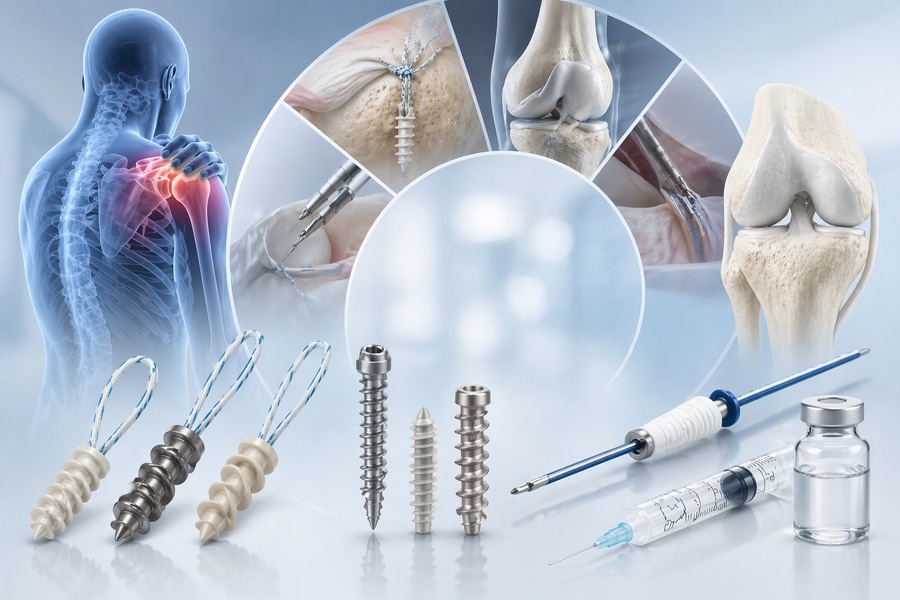
Suture Anchors
Suture anchors are used to reattach tendons, labrum tissue, or ligaments to bone during shoulder repair procedures.
Common anchor materials include:
Metal or titanium
PEEK (polyether ether ketone)
Bioabsorbable materials
Knotless Anchors
Knotless anchor systems provide secure fixation without requiring traditional surgical knot tying techniques.
Suture Materials
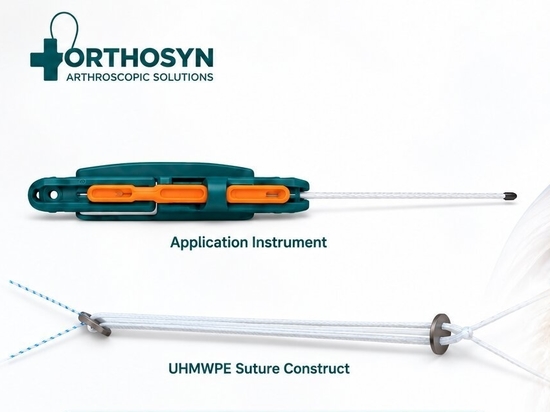
High-strength sutures made from polyester or UHMWPE are commonly used for arthroscopic soft tissue fixation.
Button Systems
Button fixation systems are frequently used in procedures such as biceps tenodesis to achieve strong and reliable fixation.
Additional Equipment
Lateral Positioners or Beach Chair Positioning Devices
These positioning systems help maintain optimal patient positioning during shoulder arthroscopy procedures.
Arm Holders or Limb Positioning Devices
These devices stabilize and support the patient’s arm throughout the surgery.
Suture Passing Devices
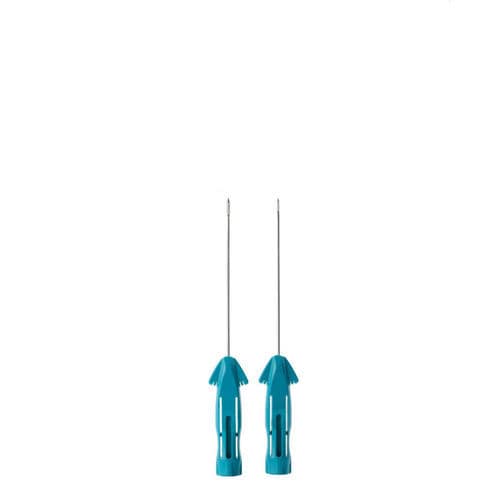
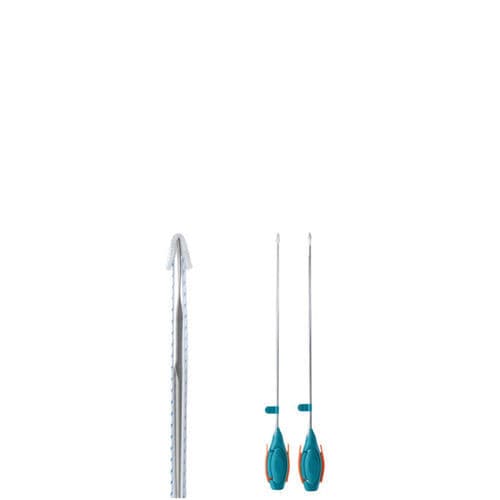
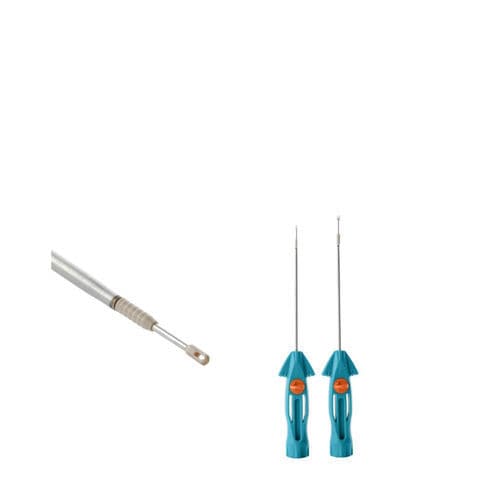
Instruments such as lasso loops, suture passers, and bird beak devices are used to pass sutures through tendons and soft tissues.
Curettes and Burrs
These instruments are used for bone preparation, smoothing, trimming, and footprint preparation during tendon repair procedures.
The materials and instruments used may vary depending on the specific shoulder arthroscopy procedure being performed, including rotator cuff repair, labral repair, biceps tenodesis, or subacromial decompression.
Orthosyn Medikal provides comprehensive shoulder arthroscopy solutions including surgical instruments, suture anchors, fixation systems, and arthroscopy implants designed for reliable, efficient, and high-performance orthopedic procedures.