#Product Trends
The Contribution of Meniscus Repair Devices to Minimally Invasive Surgery
A comprehensive overview of modern meniscus repair devices, including surgical advantages, biomechanical considerations, clinical outcomes, and rehabilitation in minimally invasive knee surgery.
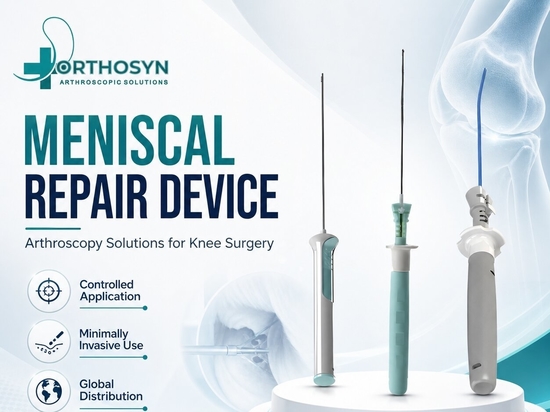
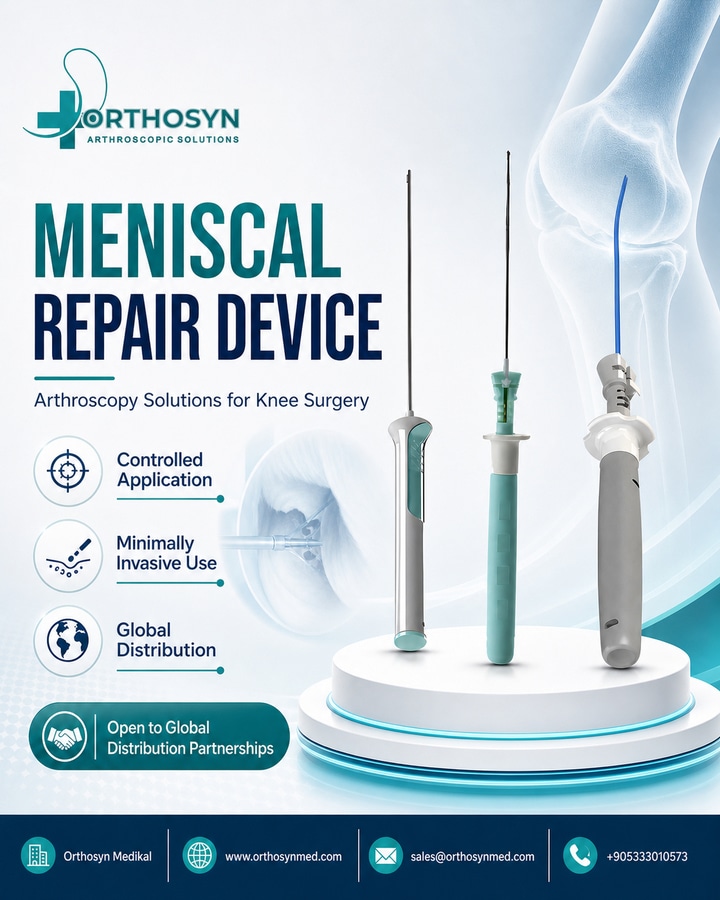
Modern all-inside meniscus repair devices have significantly contributed to the advancement of minimally invasive knee surgery. These systems allow surgeons to perform meniscus repair without creating additional posterior incisions, reducing tissue trauma, shortening operative time, and improving surgical efficiency.
Compared with traditional inside-out techniques, modern all-inside repair systems are designed to simplify surgical workflow while maintaining reliable fixation and clinical outcomes.
Reduced Tissue Trauma
One of the main advantages of all-inside meniscus repair devices is the reduction of soft tissue disruption during surgery.
Because accessory posterior incisions are not required:
Surgical trauma is minimized
Postoperative discomfort may be reduced
Operative time is often shorter
Risk of neurovascular injury decreases
Systematic reviews and meta-analyses have demonstrated that all-inside meniscus repair techniques may reduce surgical time and lower the risk of nerve-related complications while maintaining comparable healing rates to traditional inside-out methods.
Joint Preservation and Return to Sport
Meniscus preservation is considered essential for maintaining long-term knee joint health.
Compared with partial meniscectomy, successful meniscus repair may help:
Reduce cartilage degeneration
Preserve knee biomechanics
Lower long-term osteoarthritis risk
Support joint stability and function
Athletes undergoing meniscus repair procedures frequently achieve high return-to-sport rates, with many patients returning to physical activity within several months following rehabilitation.
Device Technology and Biomechanical Performance
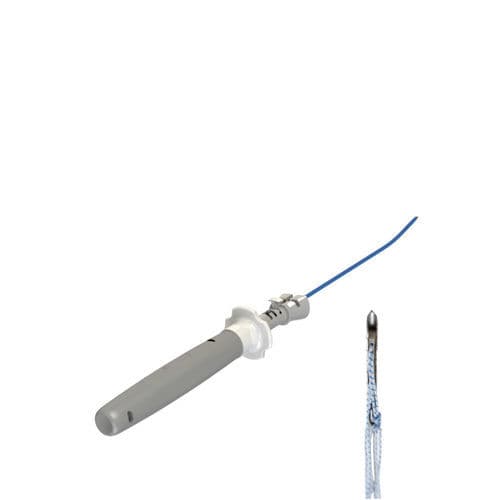
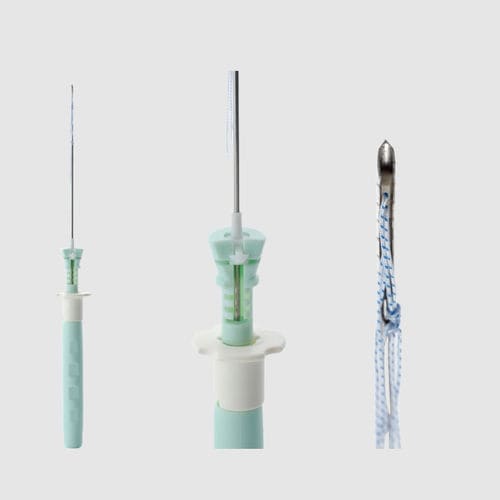
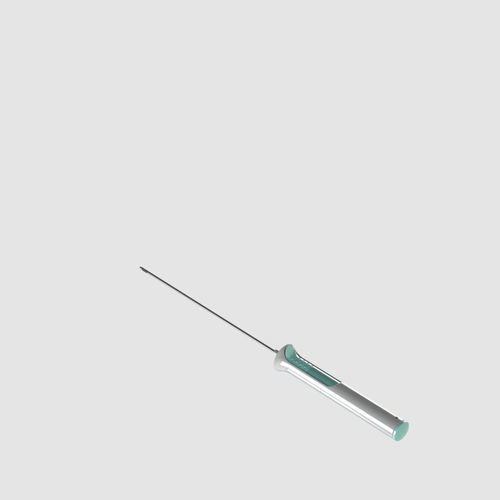
Modern meniscus repair devices are available in various implant and suture configurations.
Common technologies include:
All-suture devices
PEEK-based implants
Bioabsorbable fixation systems
Hybrid repair systems
Biomechanical studies have shown that fixation strength and load-to-failure characteristics may vary between device types.
These findings highlight the importance of selecting the appropriate repair system based on:
Tear location
Tear pattern
Meniscal tissue quality
Patient activity level
Device design and surgical technique remain critical factors for successful repair.
Tear-Specific Indications
Different meniscal tear patterns may require different surgical strategies.
Bucket-Handle Tears
Both all-inside and inside-out repair techniques may provide significant clinical improvement in bucket-handle meniscus tears.
Clinical outcomes may depend on:
Repair technique
Rehabilitation protocol
Associated ligament injuries
Patient compliance
Radial and Root Tears
Radial tears and meniscus root tears often require advanced repair strategies to restore normal joint biomechanics.
Combined fixation methods, including all-inside and inside-out suturing techniques, may be used depending on tear complexity.
Safety and Complication Profile
All-inside meniscus repair systems are generally associated with a favorable safety profile.
Potential advantages include:
Reduced risk of nerve injury
Less surgical dissection
Smaller incisions
Lower soft tissue morbidity
However, early repair failure may still occur depending on:
Tear complexity
Patient selection
Concomitant ACL reconstruction
Rehabilitation compliance
Careful surgical planning remains essential.
Rehabilitation and Functional Outcomes
Most patients undergoing arthroscopic meniscus repair experience faster recovery compared with traditional open procedures.
Postoperative rehabilitation commonly includes:
Controlled weight bearing
Progressive range-of-motion exercises
Strengthening programs
Gradual return to sports activities
Recovery timelines vary depending on tear type and associated procedures, ranging from several weeks to multiple months.
Conclusion
Modern meniscus repair devices make a significant contribution to minimally invasive orthopedic surgery by reducing tissue trauma, improving surgical safety, and supporting reliable functional outcomes.
Although current evidence supports the effectiveness and safety of all-inside repair systems, appropriate device selection, surgical expertise, and patient-specific treatment planning remain essential for successful long-term results.
Orthosyn Medikal provides advanced meniscus repair solutions and arthroscopy systems designed to support modern minimally invasive knee surgery procedures.