#Product Trends
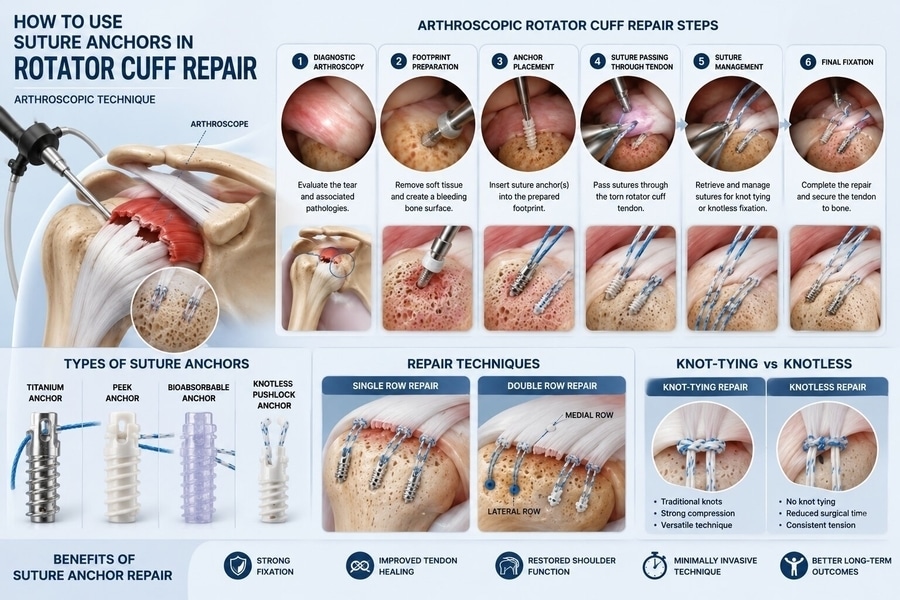
How to Use Suture Anchors in Rotator Cuff Repair
A step-by-step overview of suture anchor use in arthroscopic rotator cuff repair, including anchor placement, fixation techniques, and surgical considerations.
Rotator cuff repair is one of the most commonly performed arthroscopic shoulder procedures in orthopedic surgery. Modern rotator cuff repair techniques rely heavily on suture anchor systems to achieve stable tendon fixation and promote tendon-to-bone healing.
Suture anchors allow surgeons to securely reattach torn rotator cuff tendons to the humeral head using minimally invasive arthroscopic techniques.
Understanding how suture anchors are used during rotator cuff repair is essential for optimizing fixation strength, healing potential, and clinical outcomes.
What is the Rotator Cuff?
The rotator cuff is a group of muscles and tendons responsible for stabilizing the shoulder joint and enabling shoulder movement.
The main tendons include:
Supraspinatus
Infraspinatus
Subscapularis
Teres minor
Rotator cuff tears may occur due to:
Degeneration
Trauma
Overuse injuries
Sports-related stress
Common symptoms include pain, weakness, and limited shoulder mobility.
Role of Suture Anchors in Rotator Cuff Repair
Suture anchors are implantable fixation devices inserted into bone to secure sutures during tendon repair.
In rotator cuff surgery, anchors are used to:
Reattach torn tendons to bone
Provide stable fixation during healing
Restore tendon footprint anatomy
Distribute repair tension across the tendon
Modern anchor systems are available in various materials and designs.
Common Anchor Types
Titanium anchors
PEEK anchors
Bioabsorbable anchors
Knotless anchors
All-suture anchors
The choice of anchor depends on surgical technique, bone quality, tear size, and surgeon preference.
Step-by-Step Rotator Cuff Repair Technique
Patient Positioning
The patient is positioned in either:
Beach-chair position
Lateral decubitus position
Proper positioning improves visualization and instrument access.
Diagnostic Arthroscopy
The surgeon first evaluates the glenohumeral joint and subacromial space using an arthroscope.
The procedure assesses:
Tear size
Tendon quality
Retraction level
Associated shoulder pathologies
Footprint Preparation
The greater tuberosity footprint is prepared using burrs or shavers.
This step aims to:
Create a bleeding bone surface
Improve tendon healing potential
Enhance biological fixation
Anchor Placement
Suture anchors are inserted into the prepared bone footprint.
Important considerations include:
Anchor angle
Bone quality
Anchor spacing
Number of fixation points
Correct anchor positioning directly affects repair stability.
Suture Passage
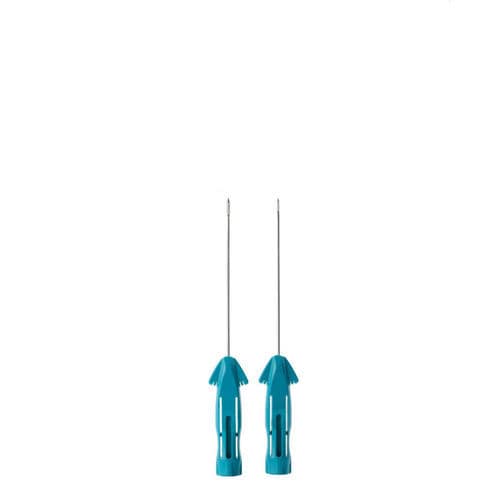
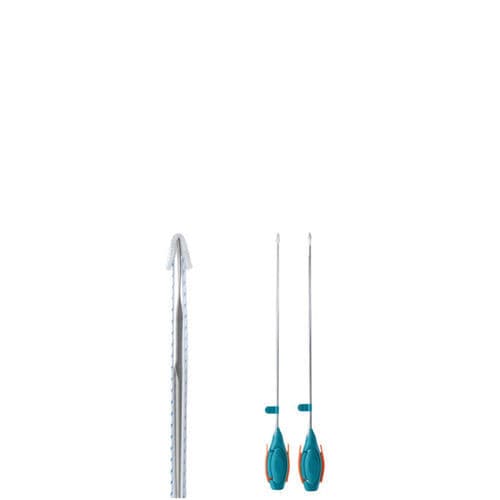
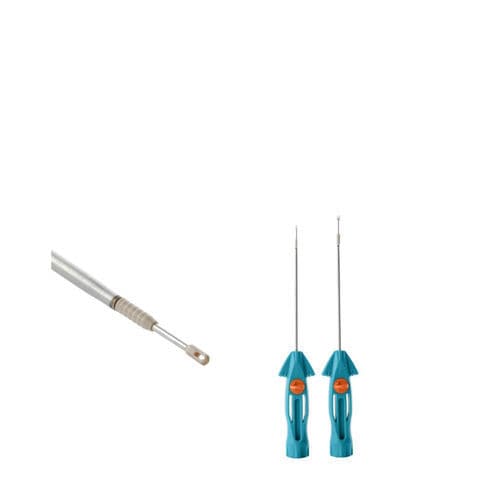
Sutures attached to the anchors are passed through the torn tendon using arthroscopic suture passing instruments.
Common instruments include:
Bird beak passers
Suture hooks
Penetrators
Lasso devices
Precise suture placement helps optimize tendon compression and load distribution.
Fixation Techniques
Several fixation techniques are commonly used:
Single-row repair
Double-row repair
Suture bridge repair
Knotless repair systems
Single-Row Technique
Anchors are placed along a single medial fixation line.
Advantages:
Simpler technique
Reduced implant usage
Shorter surgical time
Double-Row Technique
Anchors are placed medially and laterally to improve tendon footprint coverage.
Advantages:
Increased contact area
Improved compression
Potentially stronger fixation
Suture Bridge Technique
The sutures create a bridging compression construct across the tendon.
Potential benefits include:
Improved footprint restoration
Enhanced tendon compression
Biomechanical stability
Knotless Systems
Knotless anchor systems eliminate arthroscopic knot tying.
Advantages include:
Simplified workflow
Reduced surgical complexity
Lower risk of knot impingement
Biomechanical Considerations
Successful rotator cuff repair depends on:
Anchor fixation strength
Bone quality
Tendon tissue quality
Suture configuration
Load distribution
Proper implant selection and surgical technique are critical for repair durability.
Complications and Challenges
Potential challenges include:
Anchor pullout
Poor bone quality
Retear risk
Suture failure
Tendon degeneration
Careful patient selection and rehabilitation planning are important for successful outcomes.
Postoperative Rehabilitation
Rehabilitation protocols vary depending on tear size and repair technique.
Recovery commonly includes:
Immobilization phase
Passive motion exercises
Progressive strengthening
Gradual return to activity
Full recovery may require several months.
Conclusion
Suture anchors play a fundamental role in modern arthroscopic rotator cuff repair by providing stable tendon fixation and supporting tendon-to-bone healing. Proper anchor selection, placement, and fixation strategy are essential for successful surgical outcomes.
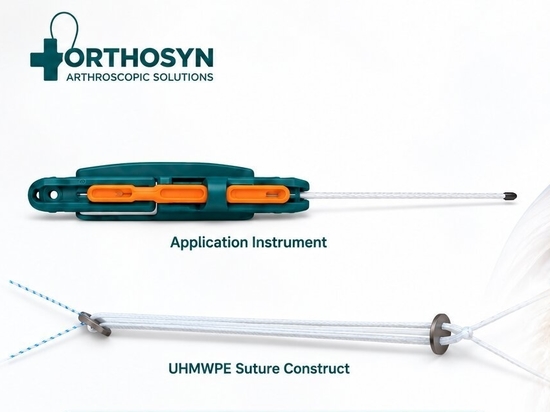
Orthosyn Medikal provides advanced suture anchor and arthroscopy solutions designed for modern shoulder repair procedures.