#Product Trends
Common Mistakes in Rotator Cuff Repair and How to Avoid Them
A comprehensive guide to the most frequent technical and clinical mistakes in rotator cuff repair and the strategies surgeons can use to improve fixation strength, tendon healing, and patient outcomes.
Rotator cuff repair is one of the most commonly performed procedures in shoulder arthroscopy. Advances in arthroscopic techniques, suture anchor technology, and rehabilitation protocols have significantly improved surgical outcomes over the past decades.
Despite these advancements, repair failure, tendon retear, persistent pain, and limited functional recovery can still occur. Many of these complications are associated with technical errors, poor surgical planning, inappropriate implant selection, or inadequate rehabilitation protocols.
Understanding the most common mistakes in rotator cuff repair can help surgeons optimize tendon healing and improve long-term clinical outcomes.
Understanding Rotator Cuff Tears
The rotator cuff consists of four muscles and their tendons:
Supraspinatus
Infraspinatus
Subscapularis
Teres Minor
These structures work together to stabilize the shoulder and facilitate motion.
Rotator cuff tears may develop due to:
Degenerative changes
Acute trauma
Repetitive overhead activities
Sports injuries
Successful repair requires restoration of tendon-to-bone healing while maintaining biomechanical stability during the healing process.
Mistake 1: Inadequate Patient Selection
One of the most important factors in surgical success is selecting the right patient for repair.
Potential challenges include:
Massive chronic tears
Severe fatty degeneration
Poor tendon quality
Advanced muscle atrophy
Significant glenohumeral arthritis
Failure to recognize these factors may increase the risk of repair failure.
How to Avoid It
Perform comprehensive preoperative evaluation using:
MRI imaging
Fatty infiltration assessment
Tendon mobility evaluation
Patient age and activity assessment
Proper surgical indications are essential for successful outcomes.
Mistake 2: Poor Footprint Preparation
The tendon footprint on the greater tuberosity must be adequately prepared before fixation.
Insufficient preparation may result in:
Reduced biological healing
Poor tendon attachment
Weaker repair construct
How to Avoid It
Use appropriate arthroscopic burrs and shavers to:
Remove soft tissue remnants
Expose healthy bleeding bone
Create an optimal healing environment
Proper footprint preparation supports tendon-to-bone integration.
Mistake 3: Incorrect Anchor Placement
Anchor position plays a critical role in repair strength.
Improper anchor placement may cause:
Reduced fixation strength
Anchor pullout
Poor tendon compression
Incomplete footprint coverage
How to Avoid It
Consider:
Bone quality
Anchor angle
Tear pattern
Repair strategy
Anchors should be positioned to maximize tendon compression and biomechanical stability.
Mistake 4: Using the Wrong Anchor Type
Not every anchor is suitable for every patient or repair configuration.
Common anchor options include:
Titanium Anchors
PEEK Anchors
Bioabsorbable Anchors
All-Suture Anchors
Knotless Anchors
Using an inappropriate implant may compromise fixation quality.
How to Avoid It
Select anchor type according to:
Bone density
Tear size
Tissue quality
Surgeon preference
Revision considerations
Implant selection should be individualized for each case.
Mistake 5: Inadequate Suture Management
Poor suture handling can create unnecessary complications during surgery.
Common problems include:
Suture tangling
Uneven tensioning
Incomplete tendon reduction
Difficulty during knot tying
How to Avoid It
Establish a systematic suture management strategy.
Careful organization improves:
Surgical efficiency
Repair quality
Procedure time
Modern suture management techniques can significantly simplify complex repairs.
Mistake 6: Excessive Tension on the Repair
Attempting to force a retracted tendon back to its original position may create excessive repair tension.
Excessive tension can lead to:
Tendon failure
Retear risk
Poor healing response
How to Avoid It
Evaluate tendon mobility carefully.
Techniques that may help include:
Tendon releases
Margin convergence
Alternative fixation strategies
Achieving a low-tension repair is critical for healing.
Mistake 7: Failure to Address Associated Pathologies
Rotator cuff tears often occur alongside other shoulder pathologies.
Common associated conditions include:
Biceps tendon lesions
Labral tears
Subacromial impingement
Acromioclavicular joint pathology
Ignoring these conditions may negatively affect outcomes.
How to Avoid It
Perform thorough diagnostic arthroscopy before repair.
A comprehensive treatment approach often produces better results.
Mistake 8: Poor Medial-Row and Lateral-Row Balance
In double-row repairs, improper load distribution may reduce repair effectiveness.
Problems may include:
Uneven compression
Excessive medial tension
Insufficient footprint coverage
How to Avoid It
Carefully balance:
Anchor spacing
Suture configuration
Tension distribution
A well-constructed double-row repair may improve tendon contact area and stability.
Mistake 9: Overlooking Bone Quality
Bone quality significantly affects anchor fixation strength.
Patients with osteoporosis or poor bone stock may experience:
Anchor loosening
Anchor pullout
Repair failure
How to Avoid It
Evaluate bone quality preoperatively.
Consider:
Larger anchors
Alternative anchor designs
Additional fixation points
Fixation strategy should be adapted to bone quality.
Mistake 10: Inadequate Rehabilitation Protocols
Even technically successful repairs may fail if rehabilitation is poorly managed.
Common rehabilitation mistakes include:
Premature strengthening
Excessive early motion
Poor patient compliance
How to Avoid It
Follow a structured rehabilitation program that includes:
Immobilization phase
Passive motion progression
Active motion phase
Progressive strengthening
Rehabilitation should be tailored to tear size and repair type.
Importance of Surgical Planning
Successful rotator cuff repair begins long before entering the operating room.
Preoperative planning should include:
Imaging review
Tear pattern analysis
Implant selection
Repair strategy development
Careful planning reduces intraoperative surprises and improves efficiency.
Role of Modern Arthroscopy Technology
Modern arthroscopic systems help surgeons reduce technical errors through:
High-definition visualization
Advanced suture passers
Knotless fixation systems
Improved anchor technologies
Efficient instrumentation
These technologies contribute to more predictable repairs and improved outcomes.
Conclusion
Rotator cuff repair is a highly effective procedure when performed with proper surgical planning, appropriate implant selection, and meticulous technique. Avoiding common mistakes such as poor anchor placement, excessive repair tension, inadequate footprint preparation, and insufficient rehabilitation can significantly improve healing rates and long-term patient outcomes.
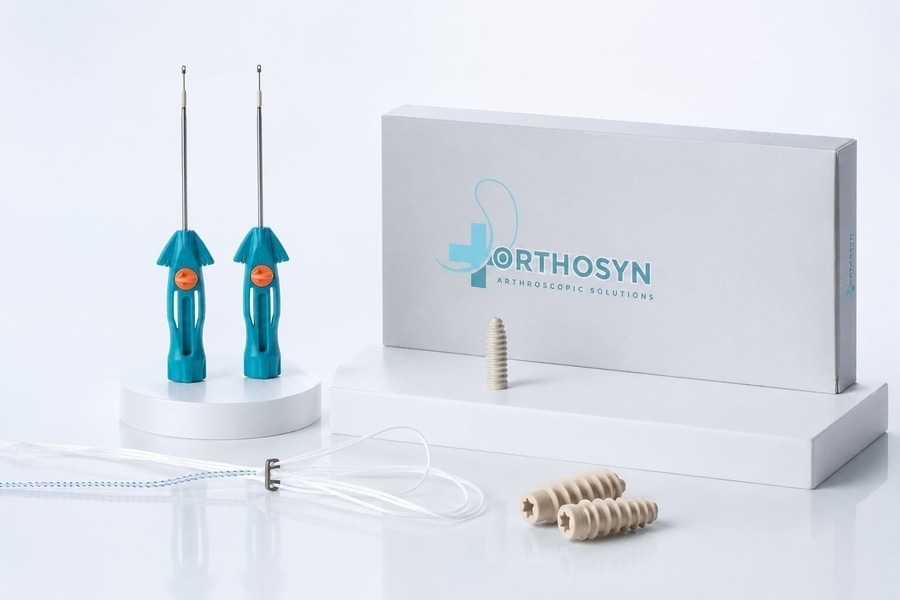
Orthosyn Medikal provides advanced suture anchors, arthroscopy instruments, and fixation solutions designed to support modern rotator cuff repair procedures.