#Product Trends
Understanding Glenoid Labrum Tears: Diagnosis and Arthroscopic Repair
A comprehensive guide to glenoid labrum tears, including anatomy, causes, diagnosis, arthroscopic repair techniques, rehabilitation, and advances in modern shoulder arthroscopy.
The glenoid labrum plays a critical role in maintaining shoulder stability while allowing the remarkable range of motion that characterizes the glenohumeral joint. Because of its essential function, injuries to the labrum are common among athletes, physically active individuals, and patients who experience shoulder trauma or recurrent instability.
Advances in shoulder arthroscopy have significantly improved the diagnosis and treatment of glenoid labrum tears. Modern arthroscopic techniques enable surgeons to restore shoulder stability using minimally invasive procedures, advanced suture anchors, and refined repair methods while minimizing soft tissue disruption.
Understanding the anatomy, mechanisms of injury, and available treatment options is essential for optimizing patient outcomes.
What Is the Glenoid Labrum?
The glenoid labrum is a ring of fibrocartilaginous tissue attached to the rim of the glenoid cavity.
Its primary functions include:
Deepening the glenoid socket
Improving shoulder stability
Increasing the contact area between the humeral head and glenoid
Serving as an attachment site for the joint capsule and ligaments
Supporting normal shoulder biomechanics
Without a healthy labrum, the shoulder becomes significantly more susceptible to instability.
Causes of Glenoid Labrum Tears
Labral injuries may occur as a result of acute trauma or repetitive shoulder stress.
Common causes include:
Shoulder dislocation
Sports-related trauma
Falls onto an outstretched arm
Repetitive overhead activities
Heavy weightlifting
Occupational overuse
Athletes participating in baseball, volleyball, swimming, tennis, and contact sports are particularly susceptible.
Types of Labral Tears
Several patterns of labral injury have been described.
The most common include:
Bankart lesions
SLAP (Superior Labrum Anterior to Posterior) tears
Posterior labral tears
Circumferential labral tears
Accurate classification is essential for selecting the appropriate surgical technique.
Symptoms
Symptoms vary depending on the location and severity of the tear.
Patients commonly report:
Shoulder pain
Clicking or catching sensations
Feeling of instability
Weakness
Loss of athletic performance
Reduced range of motion
Symptoms often worsen during overhead activities.
Clinical Diagnosis
Diagnosis begins with a detailed patient history and physical examination.
Common clinical tests include:
O'Brien Test
Apprehension Test
Relocation Test
Crank Test
Load and Shift Test
No single examination is perfectly accurate, making clinical findings and imaging complementary.
Imaging Evaluation
Imaging studies help confirm the diagnosis and identify associated injuries.
Common imaging modalities include:
Magnetic Resonance Imaging (MRI)
MR Arthrography (MRA)
Computed Tomography (CT) when bone loss is suspected
Standard shoulder radiographs
MR arthrography often provides excellent visualization of labral pathology.
When Is Arthroscopic Repair Recommended?
Not every labral tear requires surgery.
Arthroscopic repair may be considered for patients who have:
Persistent pain despite conservative treatment
Recurrent shoulder instability
Symptomatic Bankart lesions
Selected SLAP tears
High functional demands
Treatment decisions should always be individualized.
Principles of Arthroscopic Labral Repair
Modern arthroscopic repair aims to restore the native anatomy while preserving healthy tissue.
The procedure generally includes:
Diagnostic arthroscopy
Preparation of the glenoid rim
Mobilization of the torn labrum
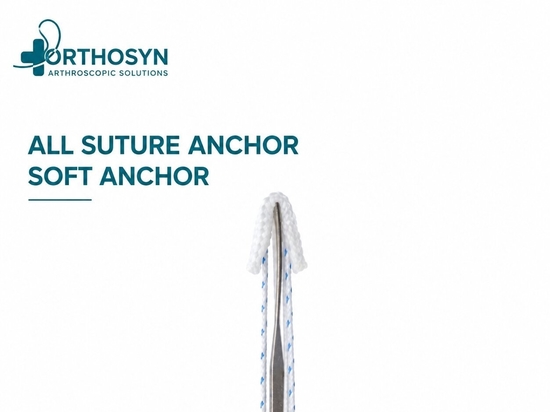
Placement of suture anchors
Suture passage
Secure fixation of the labrum
Proper anchor positioning is essential for restoring joint stability.
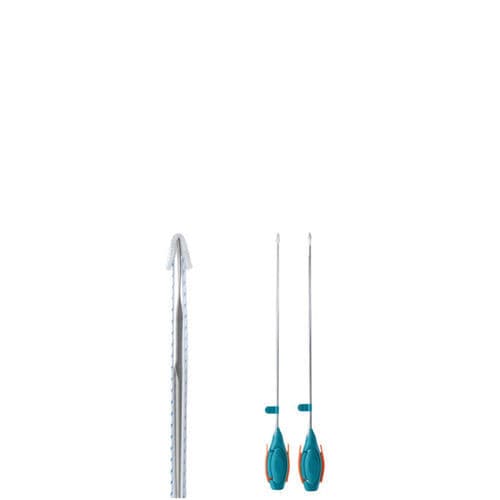
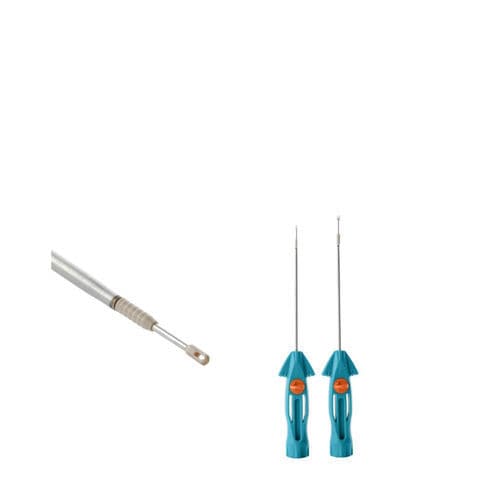
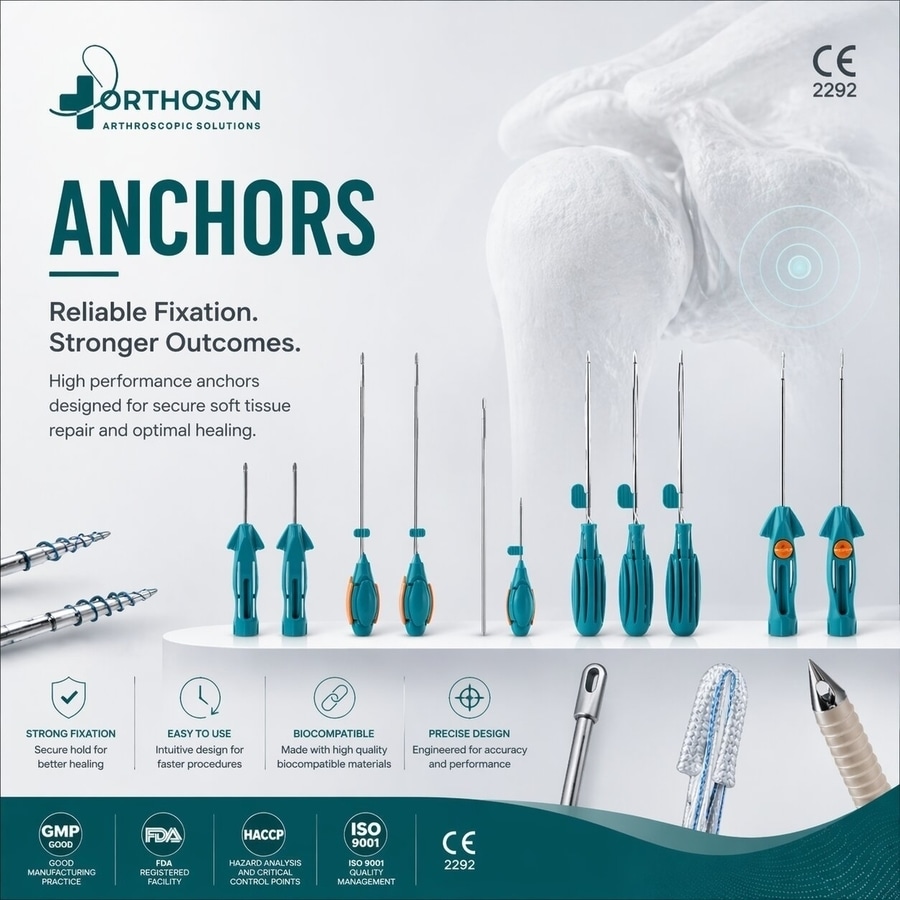
Role of Suture Anchors
Suture anchors are fundamental components of arthroscopic labral repair.
Modern anchor systems provide:
Reliable fixation
Excellent pullout strength
Various implant sizes
Knotless options
Self-punching designs
Implant selection depends on the surgical technique and surgeon preference.
Rehabilitation After Surgery
Successful recovery depends not only on surgery but also on structured rehabilitation.
Typical rehabilitation includes:
Initial shoulder immobilization
Gradual restoration of passive motion
Progressive strengthening exercises
Neuromuscular training
Sport-specific rehabilitation
Return-to-sport timelines vary depending on the procedure and patient characteristics.
Clinical Outcomes
Arthroscopic labral repair generally provides excellent clinical outcomes for appropriately selected patients.
Reported benefits include:
Improved shoulder stability
Pain reduction
Restoration of shoulder function
Return to sports and daily activities
High patient satisfaction
Long-term success depends on proper surgical technique, rehabilitation, and patient compliance.
Future Developments
Shoulder arthroscopy continues to evolve through ongoing technological innovation.
Emerging trends include:
Smaller suture anchors
Self-punching anchor systems
Knotless fixation techniques
Improved suture materials
Enhanced arthroscopic instrumentation
These developments continue to improve surgical efficiency and patient outcomes.
Conclusion
Glenoid labrum tears are among the most common causes of shoulder pain and instability in active individuals. Accurate diagnosis, appropriate patient selection, and modern arthroscopic repair techniques have significantly improved treatment outcomes. By restoring shoulder stability while preserving normal anatomy, arthroscopic labral repair allows many patients to return to their previous levels of activity with reduced pain and improved function.
As shoulder arthroscopy continues to advance, innovative implant technologies and minimally invasive surgical techniques will further enhance the management of labral injuries.
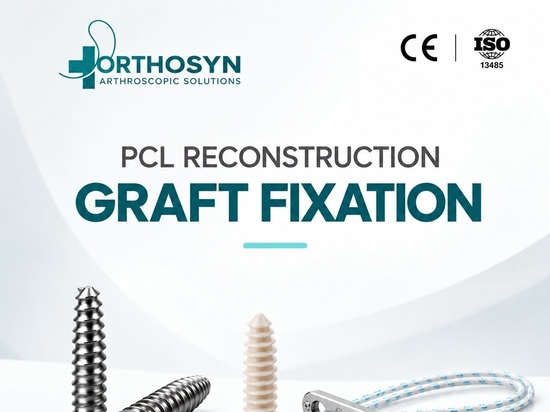
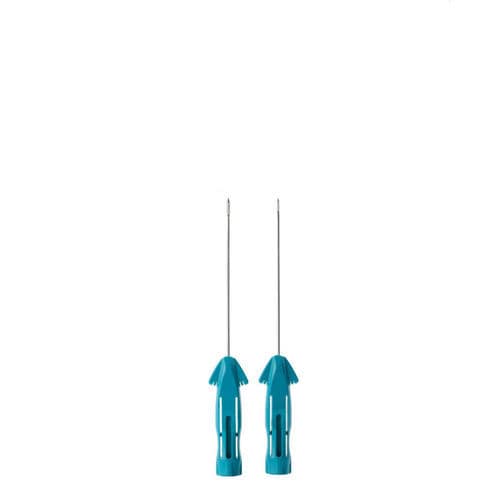
Orthosyn Medikal provides advanced shoulder arthroscopy solutions, including suture anchors, knotless anchor systems, self-punching anchors, and specialized arthroscopic instruments designed to support reliable glenoid labrum repair and modern sports medicine procedures.