#Product Trends
How Arthroscopic Probes Improve Accuracy During Shoulder Surgery
Discover how arthroscopic probes enhance visualization, tissue assessment, and surgical precision during modern shoulder arthroscopy procedures.
Shoulder arthroscopy has transformed the diagnosis and treatment of numerous shoulder disorders by allowing surgeons to perform minimally invasive procedures with exceptional visualization. While cameras, suture anchors, and specialized instruments often receive the most attention, one of the most essential tools throughout the procedure is the arthroscopic probe.
Arthroscopic probes enable surgeons to evaluate tissue integrity, assess joint stability, identify subtle lesions, and guide surgical decision-making. From the initial diagnostic inspection to the final repair assessment, the probe plays a critical role in improving precision and ensuring optimal surgical outcomes.
Understanding how arthroscopic probes contribute to shoulder surgery highlights why they remain indispensable instruments in modern sports medicine.
What Is an Arthroscopic Probe?
An arthroscopic probe is a slender surgical instrument designed specifically for minimally invasive joint surgery.
It is commonly used to:
Palpate soft tissues
Evaluate cartilage surfaces
Assess ligament integrity
Examine tendon attachments
Measure tissue mobility
Identify unstable lesions
Although simple in appearance, the probe provides valuable tactile feedback that complements the arthroscopic image.
Why Visualization Alone Is Not Enough
Modern arthroscopes provide high-definition visualization inside the shoulder joint.
However, visual inspection alone cannot always determine:
Tissue stability
Depth of tears
Mechanical integrity
Cartilage firmness
Labral mobility
The probe allows surgeons to physically examine tissues while maintaining minimally invasive access.
Improving Diagnostic Accuracy
One of the primary roles of the arthroscopic probe is improving diagnostic precision.
It helps surgeons identify:
Partial-thickness rotator cuff tears
Labral detachments
Cartilage defects
Capsular laxity
Synovial abnormalities
Loose bodies
Many subtle lesions become apparent only after careful probing.
Assessing Rotator Cuff Tears
During rotator cuff surgery, the probe is frequently used to evaluate:
Tear size
Tear depth
Tissue quality
Tendon mobility
Retraction pattern
This information assists surgeons in selecting the most appropriate repair technique.
Evaluating Labral Injuries
Labral injuries can sometimes appear intact on initial visualization.
The probe helps determine:
Labral stability
Extent of detachment
Quality of remaining tissue
Suitability for repair
Accurate assessment is particularly important when treating Bankart and SLAP lesions.
Guiding Surgical Planning
Diagnostic findings obtained with the probe influence multiple surgical decisions.
These include:
Anchor placement strategy
Number of implants required
Repair configuration
Need for additional procedures
Selection of surgical instruments
Better intraoperative assessment leads to more individualized treatment.
Confirming Repair Quality
After completing a repair, surgeons routinely use the probe to verify:
Repair stability
Suture tension
Anchor fixation
Tissue apposition
Range of motion without excessive tension
This final inspection helps ensure that the repair meets the intended surgical objectives.
Benefits During Shoulder Arthroscopy
Routine use of arthroscopic probes offers several important advantages:
Improved diagnostic confidence
Greater surgical precision
Better tissue evaluation
Reduced risk of overlooked lesions
Enhanced procedural efficiency
These benefits contribute to more reliable surgical outcomes.
Probe Design Considerations
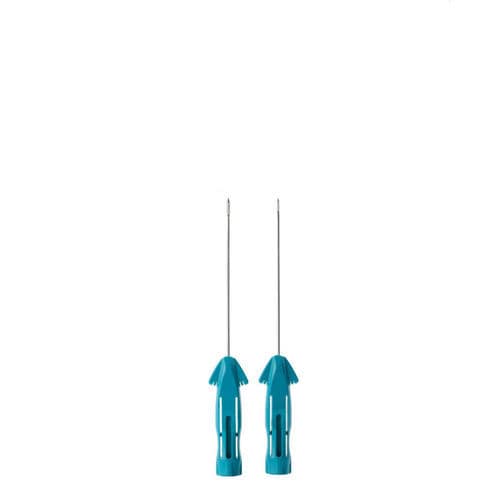
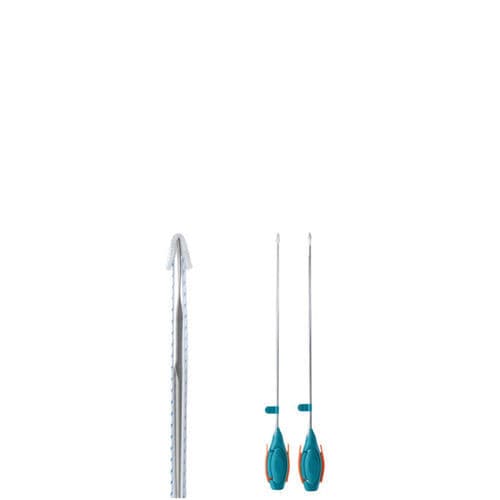
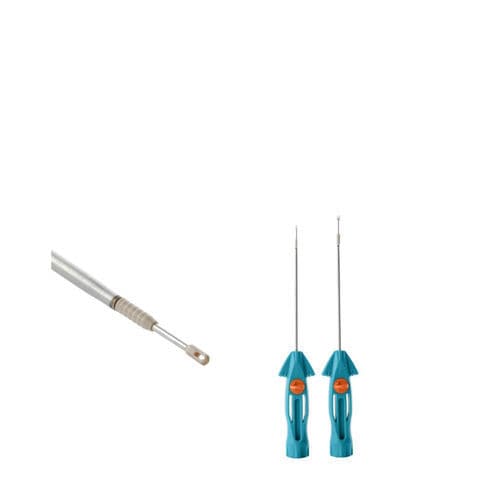
Modern arthroscopic probes are available in various configurations to accommodate different surgical preferences.
Common design features include:
Angled tips
Graduated measurement markings
Ergonomic handles
High-strength stainless steel construction
Various hook angles
Instrument selection often depends on the specific procedure and surgeon preference.
The Future of Arthroscopic Instrumentation
Advances in arthroscopic technology continue to improve surgical accuracy.
Future developments may include:
Enhanced ergonomic designs
Improved instrument durability
Procedure-specific probe designs
Integration with navigation technologies
Greater compatibility with minimally invasive techniques
These innovations aim to further improve efficiency and patient outcomes.
Conclusion
Although often considered a simple surgical instrument, the arthroscopic probe plays an essential role in every stage of shoulder arthroscopy. From identifying subtle tissue abnormalities and evaluating lesion stability to confirming repair integrity, the probe provides critical information that cannot be obtained through visualization alone. By improving diagnostic accuracy and supporting precise surgical decision-making, arthroscopic probes contribute significantly to the success of modern shoulder arthroscopy.
As arthroscopic techniques continue to evolve, high-quality diagnostic instruments will remain fundamental components of safe, efficient, and reproducible shoulder surgery.
Orthosyn Medikal manufactures a comprehensive portfolio of arthroscopic surgical instruments, including precision arthroscopic probes designed to support accurate diagnosis, tissue evaluation, and advanced shoulder arthroscopy procedures in modern orthopedic practice.