#Product Trends
Why Suture Passers Are Essential in Modern Arthroscopic Soft Tissue Repair
Understanding how suture passers improve precision, efficiency, and tissue management in contemporary arthroscopic surgery.
Modern arthroscopic surgery has transformed the treatment of soft tissue injuries by allowing surgeons to perform complex repairs through minimally invasive techniques. While implants such as suture anchors receive significant attention, the success of many procedures also depends on specialized instruments that facilitate accurate suture management. Among these, the suture passer has become one of the most essential tools in arthroscopic soft tissue repair.
By enabling precise suture passage through tendons, ligaments, and labral tissue, suture passers help surgeons achieve secure fixation while minimizing tissue trauma. Their versatility and precision make them indispensable in a wide range of orthopedic procedures.
What Is a Suture Passer?
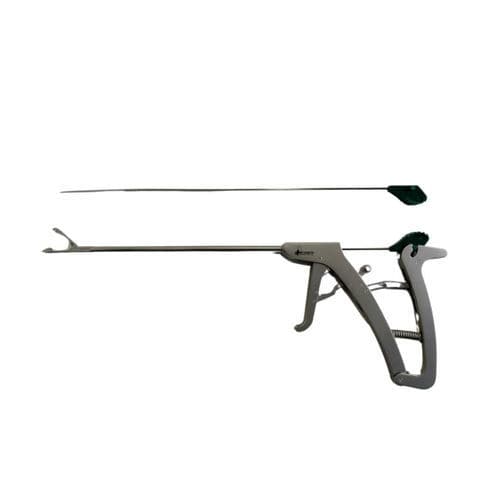
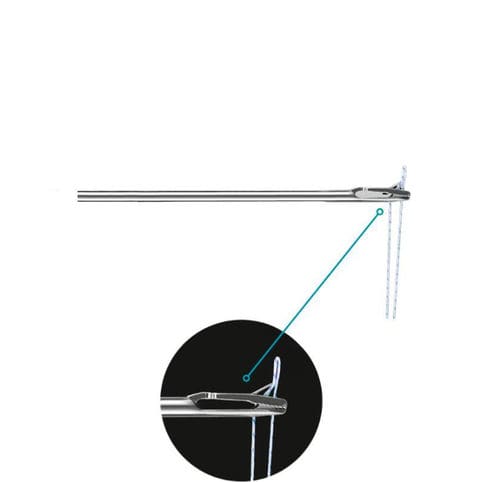
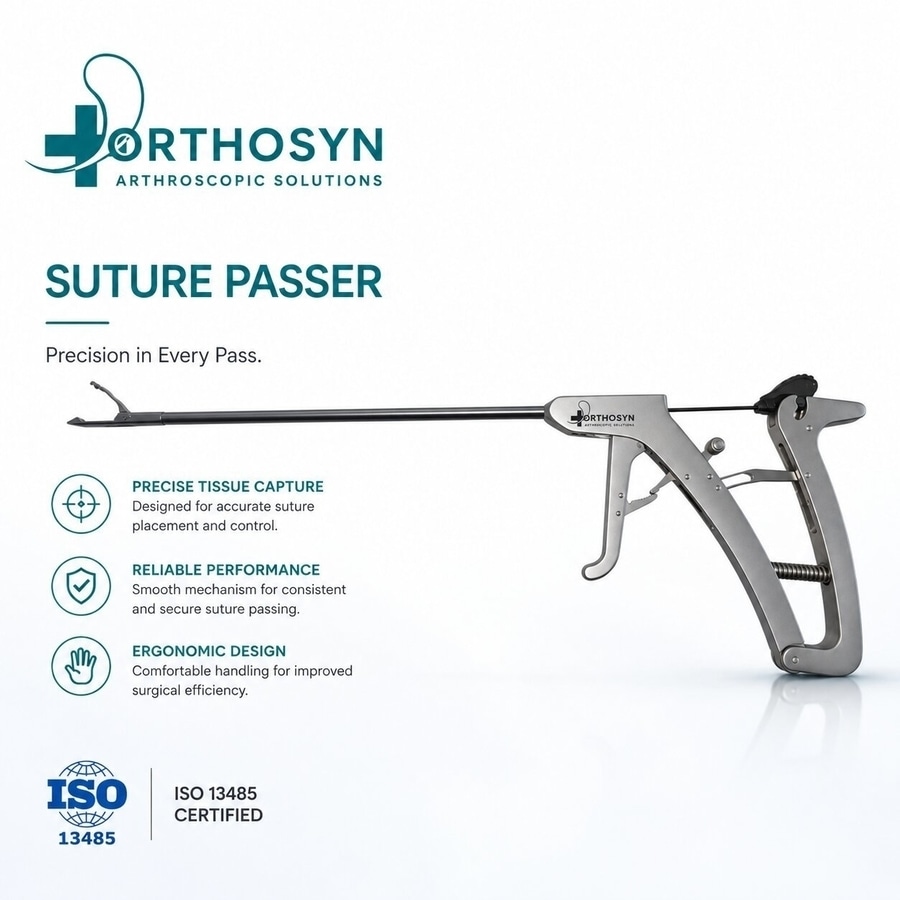
A suture passer is a specialized arthroscopic instrument designed to pass suture material through soft tissue during minimally invasive procedures.
Its primary functions include:
Passing sutures through soft tissue
Retrieving suture limbs
Assisting in tissue approximation
Supporting various suture configurations
Improving procedural efficiency
Suture passers are commonly used in shoulder, knee, hip, ankle, and elbow arthroscopy.
Why Is Precise Suture Passage Important?
Successful soft tissue repair depends on accurate suture placement.
Proper suture passage helps achieve:
Secure tissue fixation
Even load distribution
Appropriate tissue tension
Improved repair stability
Reduced risk of tissue damage
Accurate suture management contributes directly to the quality and durability of the repair.
Challenges of Arthroscopic Soft Tissue Repair
Arthroscopic procedures are performed through small portals with limited working space.
Common technical challenges include:
Restricted visualization
Limited instrument maneuverability
Dense or fragile soft tissues
Precise suture placement
Efficient suture management
Modern suture passers are specifically designed to address these challenges.
How Suture Passers Improve Surgical Precision
Advanced suture passers provide surgeons with greater control during tissue penetration and suture retrieval.
Their advantages include:
Accurate tissue penetration
Controlled suture placement
Reduced soft tissue trauma
Improved access to difficult anatomical locations
Enhanced reproducibility
These features support consistent surgical outcomes across a variety of repair techniques.
Design Features of Modern Suture Passers
Today's arthroscopic suture passers are engineered for precision and ease of use.
Important design characteristics include:
Slim shaft profile
Ergonomic handle
Sharp or atraumatic tip options
Reliable jaw mechanism
High-strength stainless steel construction
Compatibility with multiple suture sizes
Instrument design plays an important role in both surgeon comfort and procedural efficiency.
Applications in Arthroscopic Surgery
Suture passers are widely used in numerous arthroscopic procedures.
Rotator Cuff Repair
Passing sutures through torn tendon tissue for secure anchor fixation.
Bankart Repair
Facilitating labral tissue capture and reconstruction.
SLAP Repair
Precise suture placement within the superior labrum.
Meniscal Repair
Supporting selected inside-out, outside-in, and all-inside repair techniques.
Ligament Reconstruction
Assisting with soft tissue fixation during reconstructive procedures.
Improving Surgical Efficiency
Efficient suture management can simplify arthroscopic procedures.
Potential benefits include:
Reduced operative time
Fewer instrument exchanges
More consistent repair techniques
Improved workflow
Greater surgical confidence
Well-designed suture passers contribute to smoother procedures and enhanced operating room efficiency.
Selecting the Right Suture Passer
Several factors influence instrument selection.
These include:
Tip design
Shaft length
Jaw configuration
Tissue penetration characteristics
Ergonomics
Compatibility with preferred surgical techniques
The optimal instrument depends on surgeon preference and procedural requirements.
Future Developments
Innovation continues to improve arthroscopic suture management technology.
Current trends include:
More ergonomic instrument designs
Enhanced tissue-grasping mechanisms
Lower-friction materials
Improved durability
Integration with advanced arthroscopic systems
These developments aim to simplify procedures while improving surgical precision.
Conclusion
Suture passers have become indispensable instruments in modern arthroscopic soft tissue repair. By enabling accurate suture placement, minimizing tissue trauma, and improving surgical efficiency, they help surgeons perform reliable repairs across a wide variety of orthopedic procedures. Although often overlooked compared with implants, the quality and design of the suture passer can have a significant impact on procedural success and overall repair quality.
As arthroscopic techniques continue to evolve, precision suture passers will remain essential components of advanced sports medicine instrumentation.
Orthosyn Medikal manufactures precision arthroscopic surgical instruments, including high-quality suture passers designed to facilitate accurate tissue penetration, efficient suture management, and reliable soft tissue repair during minimally invasive orthopedic procedures.