#Product Trends
When Is the Right Time to Start Hyaluronic Acid Injections for Knee Osteoarthritis?
Understanding when viscosupplementation may be considered for knee osteoarthritis and the factors that influence treatment timing.
Knee osteoarthritis (OA) is one of the most common causes of chronic joint pain and reduced mobility worldwide. As the disease progresses, cartilage gradually deteriorates, leading to pain, stiffness, swelling, and difficulty performing daily activities. While lifestyle modifications, physical therapy, and oral medications often provide initial relief, many patients eventually require additional treatment options.
Hyaluronic acid (HA) injections have become an established non-surgical treatment for knee osteoarthritis. However, one of the most frequently asked questions is: When is the right time to begin hyaluronic acid injections?
The answer depends on the severity of symptoms, imaging findings, patient expectations, and overall treatment goals.
Understanding Knee Osteoarthritis
Knee osteoarthritis is a progressive degenerative joint disease characterized by cartilage breakdown and changes in the surrounding joint structures.
Common symptoms include:
Knee pain during activity
Morning stiffness
Swelling
Reduced range of motion
Difficulty walking or climbing stairs
Joint crepitus
Symptoms often worsen gradually over time if left untreated.
How Hyaluronic Acid Works
Healthy synovial fluid contains high concentrations of hyaluronic acid, which provides lubrication and shock absorption.
In osteoarthritis, both the quantity and quality of natural hyaluronic acid decrease.
Injected hyaluronic acid aims to:
Improve joint lubrication
Restore viscoelastic properties of synovial fluid
Reduce friction during movement
Support smoother joint motion
Help relieve symptoms associated with osteoarthritis
Is Early Treatment Beneficial?
Many orthopedic specialists believe that earlier intervention may help patients maintain joint function before significant cartilage deterioration occurs.
Patients with mild to moderate osteoarthritis often experience greater clinical benefit compared with those who have advanced joint degeneration.
Early treatment may help:
Improve daily mobility
Reduce pain during activity
Delay progression of functional limitations
Support participation in rehabilitation programs
Treatment decisions should always be individualized.
When Should Hyaluronic Acid Injections Be Considered?
Hyaluronic acid injections may be considered when patients:
Continue experiencing knee pain despite conservative treatment
Have mild to moderate osteoarthritis confirmed by clinical evaluation
Wish to postpone surgical intervention
Experience limitations during daily activities
Cannot tolerate certain oral pain medications
Seek a minimally invasive treatment option
The decision should be based on a comprehensive orthopedic assessment.
Who May Benefit Most?
Potential candidates include:
Patients with early-stage knee osteoarthritis
Individuals with moderate degenerative changes
Active adults wishing to maintain mobility
Patients seeking non-surgical symptom management
Individuals who have not achieved adequate relief from physical therapy or medication alone
Clinical outcomes vary between individuals.
When Might Injections Be Less Effective?
Although many patients benefit from viscosupplementation, results may be more limited in certain situations.
These include:
Advanced bone-on-bone osteoarthritis
Severe joint deformity
Significant inflammatory arthritis
Mechanical instability requiring surgical correction
In these cases, physicians may recommend alternative treatment strategies.
Combining Hyaluronic Acid with Other Treatments
Hyaluronic acid injections are often incorporated into a comprehensive management plan.
This may include:
Weight management
Physical therapy
Strengthening exercises
Activity modification
Bracing when appropriate
Patient education
A multimodal approach frequently provides the greatest overall benefit.
Safety Considerations
Hyaluronic acid injections are generally well tolerated.
Temporary side effects may include:
Mild pain at the injection site
Temporary swelling
Localized stiffness
Mild joint discomfort
Serious complications are uncommon when injections are performed using appropriate clinical techniques.
Future Perspectives
Research continues to improve viscosupplementation therapies.
Areas of ongoing development include:
Advanced cross-linked formulations
Higher-purity manufacturing processes
Optimized molecular weight technologies
Combination biologic therapies
Personalized treatment strategies
These innovations aim to improve both treatment durability and patient outcomes.
Conclusion
There is no single "perfect" time to begin hyaluronic acid injections for knee osteoarthritis. However, many patients may benefit when treatment is initiated during the early or moderate stages of the disease, before extensive joint degeneration has occurred. Careful patient selection, comprehensive clinical evaluation, and individualized treatment planning remain essential for achieving the best possible outcomes.
When integrated into a broader osteoarthritis management strategy, hyaluronic acid injections can help improve joint function, reduce symptoms, and support long-term mobility for many patients.
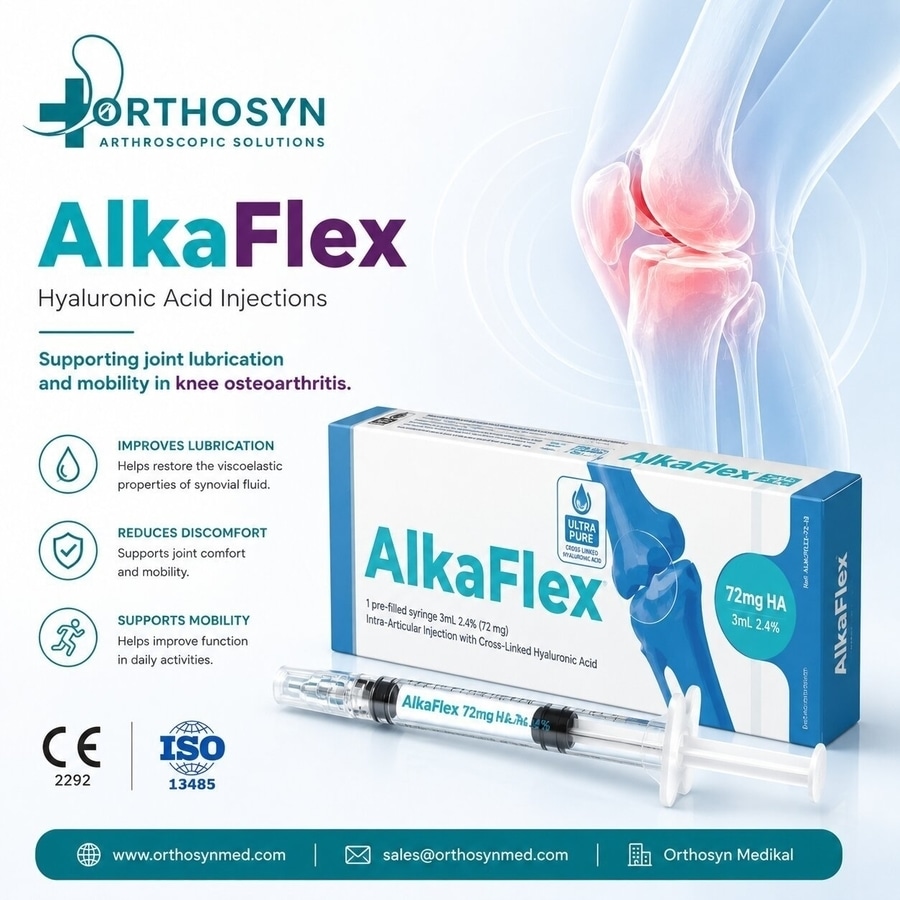
Orthosyn Medikal manufactures advanced intra-articular hyaluronic acid injection solutions designed to support joint lubrication, improve mobility, and provide reliable non-surgical treatment options for patients with knee osteoarthritis.