#Product Trends
Cross-Linked vs Non Cross-Linked Hyaluronic Acid: What Are the Clinical Differences?
Understanding the differences between cross-linked and non cross-linked hyaluronic acid and how each formulation supports osteoarthritis management.
Hyaluronic acid (HA) injections have become an established non-surgical treatment option for patients suffering from osteoarthritis, particularly of the knee. As viscosupplementation technologies have advanced, two primary types of formulations have emerged: cross-linked and non cross-linked hyaluronic acid.
Although both are designed to improve joint lubrication and relieve osteoarthritis symptoms, they differ in molecular structure, durability, viscosity, and clinical applications. Understanding these differences helps healthcare professionals select the most appropriate treatment for individual patients.
What Is Hyaluronic Acid?
Hyaluronic acid is a naturally occurring polysaccharide found in synovial fluid, cartilage, and connective tissues.
In healthy joints, it provides:
Joint lubrication
Shock absorption
Smooth joint movement
Protection of cartilage surfaces
Support for normal joint function
In osteoarthritis, both the concentration and molecular quality of natural hyaluronic acid decline, contributing to pain and reduced mobility.
What Is Non Cross-Linked Hyaluronic Acid?
Non cross-linked hyaluronic acid closely resembles the naturally occurring HA found in healthy synovial fluid.
It consists of individual HA chains that are not chemically bonded together.
Its characteristics include:
High biocompatibility
Natural viscoelastic properties
Excellent joint lubrication
Good injectability
Gradual biological degradation
These formulations are commonly used in viscosupplementation for mild to moderate osteoarthritis.
What Is Cross-Linked Hyaluronic Acid?
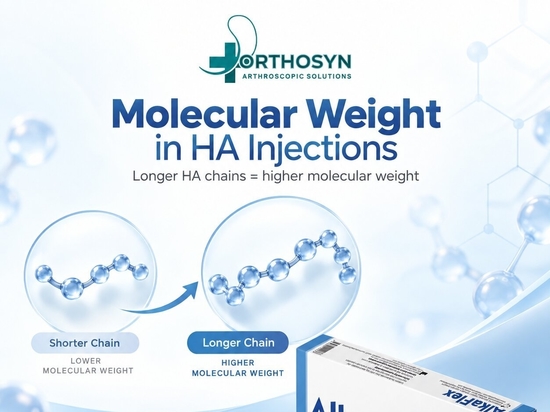
Cross-linked hyaluronic acid is produced by chemically connecting individual HA molecules, creating a more stable three-dimensional network.
This modification increases:
Molecular stability
Resistance to enzymatic degradation
Viscosity
Elasticity
Residence time within the joint
These characteristics allow cross-linked formulations to remain in the joint longer than non cross-linked products.
Key Clinical Differences
Although both formulations aim to improve joint function, several important differences exist.
Molecular Structure
Non cross-linked HA: Individual HA chains
Cross-linked HA: Chemically interconnected HA network
Residence Time
Non cross-linked HA: Shorter persistence within the joint
Cross-linked HA: Longer intra-articular residence
Viscosity
Non cross-linked HA: Lower viscosity
Cross-linked HA: Higher viscosity and elasticity
Injection Protocol
Depending on the product, both formulations may be available as single-injection or multi-injection regimens.
Treatment protocols vary by manufacturer and clinical indication.
Clinical Considerations
The choice between cross-linked and non cross-linked hyaluronic acid depends on several factors, including:
Severity of osteoarthritis
Patient age
Activity level
Physician preference
Treatment objectives
Product characteristics
No single formulation is universally appropriate for every patient.
Potential Benefits of Cross-Linked Formulations
Cross-linked hyaluronic acid may offer:
Longer persistence inside the joint
Increased resistance to degradation
Enhanced viscoelastic properties
Reduced frequency of repeat injections for certain formulations
Extended mechanical support within the joint
Clinical outcomes vary depending on patient characteristics and product design.
Potential Benefits of Non Cross-Linked Formulations
Non cross-linked hyaluronic acid offers several advantages as well.
These include:
Molecular structure closer to native HA
Excellent biocompatibility
Smooth injection characteristics
Broad clinical experience
Availability in various concentrations and treatment protocols
These formulations continue to play an important role in osteoarthritis management.
Safety Profile
Both cross-linked and non cross-linked hyaluronic acid injections are generally considered safe when administered appropriately.
Temporary side effects may include:
Mild injection-site discomfort
Temporary swelling
Local tenderness
Mild joint stiffness
Serious adverse reactions are uncommon.
Future Perspectives
Research continues to improve hyaluronic acid technologies.
Current areas of innovation include:
Higher-purity manufacturing processes
Optimized molecular weight formulations
Advanced cross-linking technologies
Combination biologic therapies
Personalized viscosupplementation strategies
These developments aim to improve both clinical outcomes and patient satisfaction.
Conclusion
Both cross-linked and non cross-linked hyaluronic acid formulations play important roles in the non-surgical management of osteoarthritis. While cross-linked products are designed to provide greater molecular stability and prolonged intra-articular residence, non cross-linked formulations closely resemble naturally occurring hyaluronic acid and continue to offer excellent biocompatibility and clinical performance.
Treatment selection should always be based on the patient's individual clinical condition, physician assessment, and therapeutic goals.
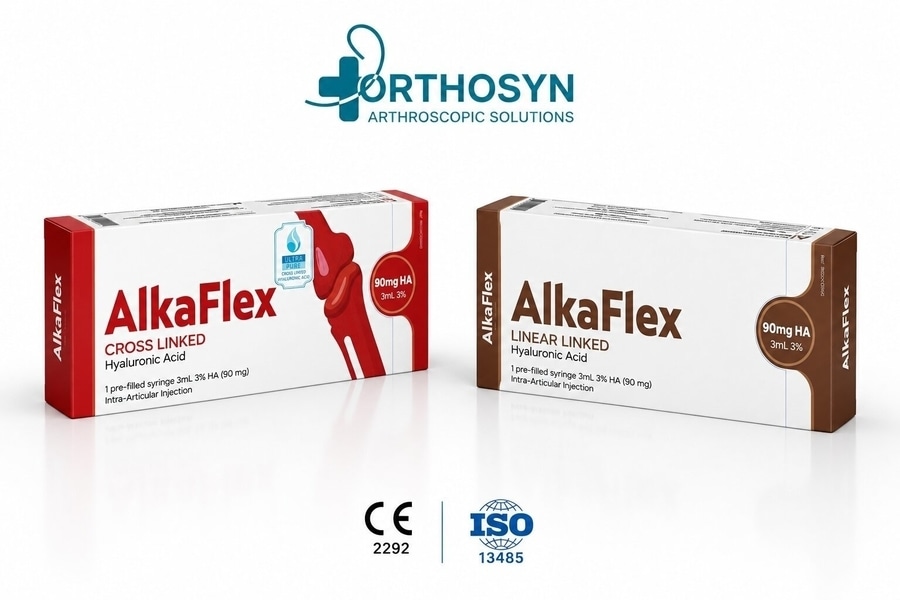
Orthosyn Medikal manufactures advanced cross-linked and non cross-linked hyaluronic acid injection solutions designed to support joint lubrication, improve mobility, and provide reliable viscosupplementation options for patients with osteoarthritis.