#Product Trends
What Is a Ramp Lesion and Why Does It Matter in ACL Reconstruction? | Orthosyn
Learn what a medial meniscus ramp lesion is, why it is frequently associated with ACL injury, how it can affect knee stability, and why identifying and treating it can be important during ACL reconstruction.
An anterior cruciate ligament (ACL) injury may involve more than the ligament itself. In some patients, a tear can also occur at the posterior attachment of the medial meniscus, particularly around the junction between the posterior horn of the medial meniscus and the surrounding capsular structures.
This injury is commonly referred to as a ramp lesion.
Ramp lesions are clinically important because they can be difficult to detect and may contribute to persistent instability if they are not recognized during ACL reconstruction.
For this reason, evaluation of the posteromedial compartment has become an important part of modern arthroscopic assessment in selected ACL-injured knees.
What Is a Ramp Lesion?
A ramp lesion is generally described as a tear involving the posterior horn of the medial meniscus and its meniscocapsular or meniscotibial attachment.
The lesion is located in the posteromedial region of the knee.
Depending on the pattern of injury, the tear may involve:
The meniscocapsular junction
The meniscotibial attachment
The peripheral posterior horn of the medial meniscus
A combination of these structures
Because of its posterior location, a ramp lesion may not always be clearly visible during routine anterior arthroscopic inspection.
Why Are Ramp Lesions Associated with ACL Tears?
Ramp lesions are frequently associated with ACL injuries because both can occur during similar rotational and translational forces acting on the knee.
When the ACL is torn, abnormal anterior tibial translation and rotational movement may increase stress on the posteromedial structures.
The medial meniscus, particularly its posterior horn, can then be subjected to increased loading.
As a result, injuries to the ACL and medial meniscal ramp region may occur together.
Why Does the Medial Meniscus Matter in ACL Stability?
The medial meniscus contributes not only to load distribution and joint congruence but also to secondary stabilization of the knee.
Its posterior horn can help resist excessive anterior translation and rotational motion.
When the ACL is deficient, the medial meniscus may carry greater stabilizing demands.
If a ramp lesion compromises the posterior meniscal attachment, the knee may lose part of this secondary restraint.
This is one reason ramp lesions are considered relevant in ACL reconstruction.
Why Can a Ramp Lesion Be Missed?
Ramp lesions can be difficult to identify because of their anatomical location.
The posteromedial compartment may not be fully visible from standard anterior arthroscopic portals.
A lesion can therefore remain hidden behind the medial femoral condyle or within the posterior recess.
Detection may require:
Careful arthroscopic inspection
Probing of the posterior horn
Visualization through the intercondylar notch
Additional posteromedial evaluation when indicated
A visually normal meniscal surface does not always exclude a peripheral posterior lesion.
What Symptoms Can a Ramp Lesion Cause?
Symptoms related specifically to a ramp lesion may overlap with those of the ACL injury itself.
Patients may experience:
Knee pain
Posteromedial discomfort
Instability
Swelling
Mechanical symptoms
Difficulty during pivoting or rotational activities
However, clinical symptoms alone are usually not sufficient to identify a ramp lesion with certainty.
The diagnosis is typically considered in combination with imaging and arthroscopic findings.
Can MRI Detect a Ramp Lesion?
Magnetic resonance imaging (MRI) can provide useful information about the medial meniscus and posteromedial structures.
However, ramp lesions may sometimes be difficult to visualize.
MRI findings can depend on:
Tear size
Tear orientation
Knee position during imaging
Image quality
Radiological interpretation
Associated injuries
For this reason, arthroscopic inspection may still be important when a ramp lesion is suspected during ACL reconstruction.
How Is a Ramp Lesion Evaluated Arthroscopically?
During arthroscopy, the surgeon evaluates the posterior horn of the medial meniscus and its peripheral attachments.
A probe can be used to assess:
Meniscal stability
Peripheral separation
Mobility of the posterior horn
Integrity of the meniscocapsular region
If the posterior horn moves abnormally when probed, this may indicate an unstable lesion.
The posteromedial compartment may also be inspected more directly if the standard view is insufficient.
Why Does a Ramp Lesion Matter During ACL Reconstruction?
The objective of ACL reconstruction is not only to replace the damaged ligament but also to restore functional knee stability.
If an unstable ramp lesion remains untreated, the posterior horn of the medial meniscus may continue to move abnormally.
This can potentially affect:
Anterior-posterior stability
Rotational stability
Load distribution
Meniscal function
Overall reconstruction mechanics
For this reason, identifying associated meniscal injuries is an important part of comprehensive ACL surgery.
Are All Ramp Lesions Repaired?
Not necessarily.
The management of a ramp lesion depends on its characteristics.
Important considerations may include:
Lesion stability
Tear length
Tear depth
Tissue quality
Vascularity
Associated ACL injury
Patient age and activity level
Surgeon assessment
Some small and stable lesions may be managed differently from larger or clearly unstable tears.
Therefore, treatment decisions should be based on the specific characteristics of the lesion rather than the presence of a ramp lesion alone.
When Is Ramp Lesion Repair Considered?
Repair may be considered when the lesion is unstable or when the peripheral attachment of the posterior horn is significantly disrupted.
The goal is to restore continuity between the meniscus and the surrounding capsular structures.
This may help restore the functional role of the medial meniscus within the reconstructed knee.
How Is a Ramp Lesion Repaired?
Ramp lesions can be repaired arthroscopically using different techniques.
Depending on the lesion and surgeon preference, these may include:
All-inside repair
Inside-out repair
Posteromedial repair techniques
The objective is to approximate the torn meniscal tissue and provide sufficient fixation during healing.
What Is All-Inside Meniscal Repair?
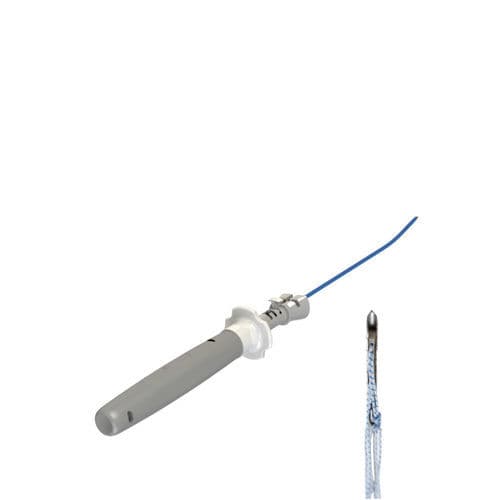
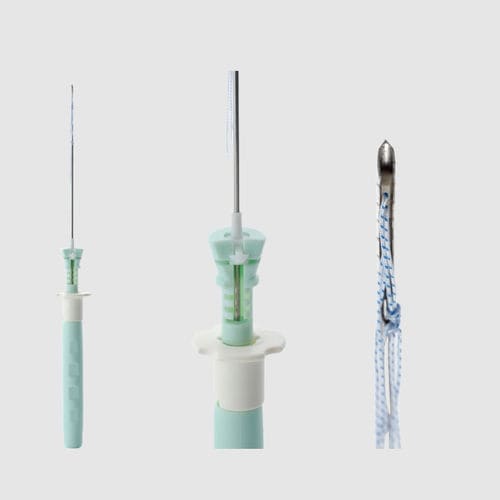
All-inside meniscal repair uses a dedicated implant system delivered through the arthroscopic portal.
The repair device is positioned across the tear to approximate the injured meniscal tissue.
This approach avoids the need for long external sutures passing through additional incisions.
All-inside repair systems are widely used for different meniscal tear patterns, depending on accessibility and tissue configuration.
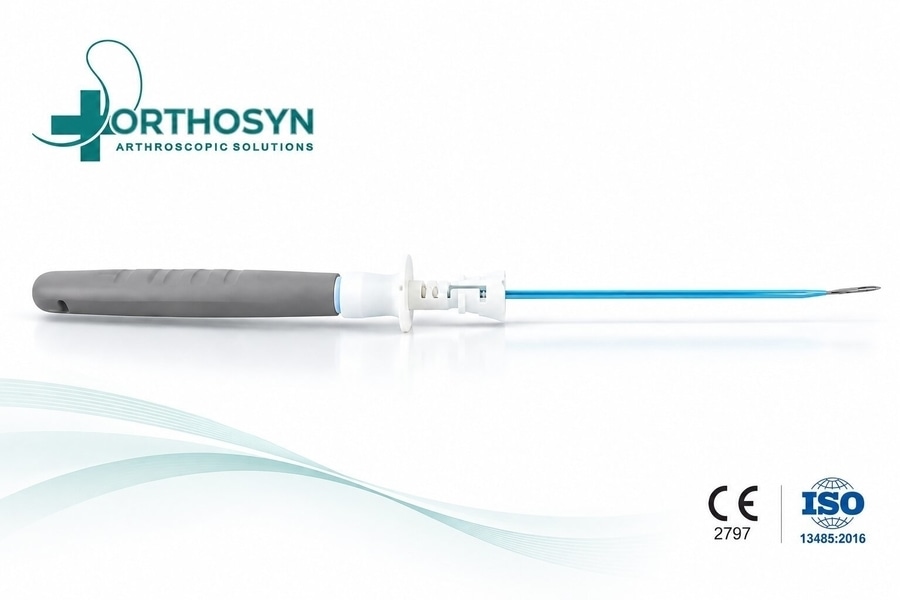
Orthosyn’s meniscal repair portfolio includes the VersaFix All-Inside Meniscal Repair System for arthroscopic meniscal fixation.
Why Is Tissue Capture Important?
Successful meniscal repair depends on appropriate tissue capture.
The fixation construct should engage healthy tissue on both sides of the lesion whenever possible.
Factors affecting the repair can include:
Implant position
Tissue quality
Tear orientation
Distance from the meniscal edge
Tension applied during fixation
Poor tissue capture may reduce the stability of the repair.
Why Is Repair Tension Important?
The repair should bring the torn tissues together without excessive compression.
Insufficient tension may leave a gap at the repair site, while excessive tension can distort the meniscus or compromise the tissue.
Appropriate tension therefore helps maintain tissue contact while preserving the natural shape of the meniscus.
Ramp Lesion vs Other Medial Meniscus Tears
A ramp lesion differs from many common meniscal tears because of its location and relationship to the capsular attachments.
Feature Ramp Lesion Other Medial Meniscus Tears
Typical location Posterior peripheral region Can occur throughout the meniscus
Main structures Meniscocapsular / meniscotibial region Meniscal body or horn
Association with ACL injury Common Variable
Visibility May be hidden arthroscopically Often more directly visible
Stability concern Posterior horn instability Depends on tear pattern
The exact treatment strategy depends on the individual tear pattern.
How Can an Untreated Ramp Lesion Affect ACL Reconstruction?
If an unstable ramp lesion remains present, the medial meniscus may provide less secondary restraint to anterior and rotational motion.
This can potentially place additional mechanical demands on the reconstructed ACL graft.
It is therefore important to evaluate the entire knee rather than treating the ACL as an isolated structure.
Successful ACL reconstruction depends on multiple factors, including:
Anatomical tunnel placement
Appropriate graft selection
Secure graft fixation
Correct graft tension
Recognition of associated meniscal injuries
Appropriate rehabilitation
Why Is Meniscal Preservation Important?
Whenever repair is appropriate, preserving meniscal tissue may be preferred over removing damaged tissue.
The meniscus contributes to:
Load distribution
Shock absorption
Joint stability
Articular cartilage protection
Joint congruence
Preserving functional meniscal tissue can therefore be an important objective during sports medicine and arthroscopic surgery.
What Role Does the Ramp Lesion Play in Rotational Stability?
Rotational stability is particularly important in ACL-deficient knees.
The posterior horn of the medial meniscus acts as a secondary stabilizer and can help limit abnormal tibial motion.
If the posterior meniscal attachment is disrupted, this secondary restraint may be reduced.
Therefore, an unstable ramp lesion can contribute to residual rotational instability even after the ACL graft has been positioned.
This explains why careful assessment of the posteromedial compartment can be relevant during ACL reconstruction.
Is Ramp Lesion Repair Performed Before or After ACL Fixation?
The sequence can vary according to surgical technique and surgeon preference.
Some surgeons may evaluate and repair the ramp lesion before final ACL graft fixation, while others may follow a different sequence.
Important factors include:
Access to the posteromedial compartment
Planned meniscal repair technique
Graft passage
Tunnel preparation
Final graft tensioning
The overall surgical sequence should allow both the meniscal repair and ACL reconstruction to be completed effectively.
ACL Reconstruction Is More Than Graft Fixation
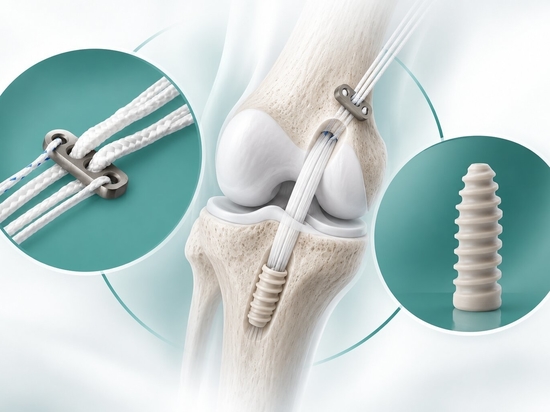
ACL reconstruction is often discussed in terms of graft choice, femoral buttons, interference screws, and tunnel placement.
However, successful reconstruction also requires identification of associated injuries.
These may include:
Medial meniscus tears
Lateral meniscus tears
Ramp lesions
Cartilage injuries
Other ligament injuries
A comprehensive arthroscopic evaluation helps the surgeon determine whether additional procedures are required.
Orthosyn Solutions for ACL and Meniscal Reconstruction
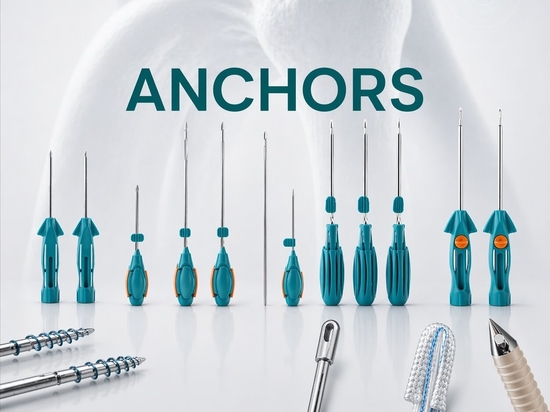
Orthosyn Medikal provides different products for arthroscopic knee reconstruction, including:
ACL/PCL fixation systems
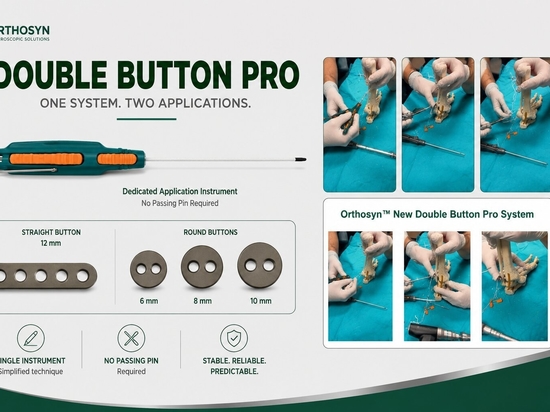
Femoral cortical button systems
Titanium interference screws
PEEK interference screws
Bioabsorbable interference screws
ACL/PCL instrumentation
Passing pins and guidewires
All-inside meniscal repair solutions
These product groups support different stages of ligament reconstruction and meniscal repair procedures.
Conclusion
A ramp lesion is an injury of the posterior peripheral attachment of the medial meniscus, typically involving the meniscocapsular or meniscotibial region.
It is particularly important in ACL reconstruction because the posterior horn of the medial meniscus contributes to secondary knee stability.
An unstable ramp lesion may increase abnormal anterior and rotational motion and can potentially influence the mechanics of the reconstructed knee.
Because these lesions can be difficult to visualize from standard arthroscopic views, careful posteromedial assessment and probing may be necessary.
Not every ramp lesion requires the same treatment, but unstable lesions may be considered for repair depending on tear characteristics and surgical assessment.
Orthosyn Medikal offers ACL/PCL fixation systems and all-inside meniscal repair solutions designed to support different strategies in arthroscopic ligament reconstruction and meniscal preservation.