#Product Trends
What Is AC Joint Reconstruction and How Does Double Button Fixation Work? | Orthosyn
Learn what acromioclavicular joint reconstruction is, when surgical stabilization may be considered, and how double button fixation systems help restore coracoclavicular stability after AC joint injury.
The acromioclavicular (AC) joint connects the lateral end of the clavicle to the acromion of the scapula and plays an important role in shoulder girdle motion and stability.
Traumatic injury to this region can damage not only the AC joint itself but also the supporting acromioclavicular and coracoclavicular ligaments.
While lower-grade AC joint injuries can often be managed without surgery, selected unstable or higher-grade injuries may require surgical stabilization or reconstruction.
One technique used in AC joint reconstruction is double button fixation. This approach uses cortical buttons connected by high-strength suture or loop material to establish fixation between the clavicle and coracoid, helping restore the relationship between these structures while the injured soft tissues heal or are reconstructed.
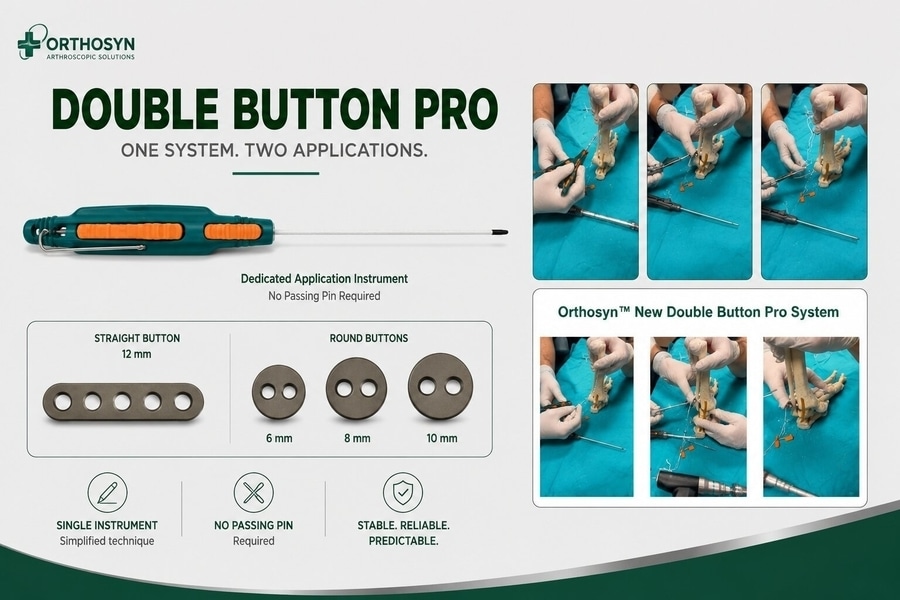
Orthosyn Medikal provides Double Button AC fixation systems designed for use within different acromioclavicular reconstruction strategies.
What Is the AC Joint?
The AC joint is located at the top of the shoulder where the clavicle meets the acromion.
Although it is a relatively small joint, it contributes to coordinated movement between the scapula, clavicle, and upper limb.
The stability of the AC joint depends on several structures.
Acromioclavicular Ligaments
These ligaments surround the AC joint capsule and contribute particularly to horizontal stability.
Coracoclavicular Ligaments
The coracoclavicular (CC) ligament complex connects the clavicle to the coracoid process.
It consists mainly of:
Conoid ligament
Trapezoid ligament
These structures play an important role in controlling vertical displacement of the clavicle relative to the scapula.
What Is an AC Joint Separation?
An AC joint separation occurs when trauma damages the stabilizing structures of the acromioclavicular joint.
This commonly occurs after a direct impact to the shoulder, such as:
A fall onto the lateral shoulder
Contact sports trauma
Bicycle or motorcycle accidents
High-energy shoulder injuries
Depending on injury severity, the AC and CC ligaments may be stretched, partially torn, or completely disrupted.
This can allow the clavicle and scapula to lose their normal anatomical relationship.
Are All AC Joint Injuries Treated Surgically?
No.
Treatment depends on multiple factors, including:
Severity of ligament injury
Degree and direction of displacement
Acute or chronic presentation
Patient age
Activity level
Occupation
Symptoms
Associated shoulder injuries
Surgeon assessment
Many lower-grade injuries can be treated conservatively.
Surgical stabilization may be considered in selected unstable injuries, significant displacement, persistent symptoms, or chronic cases where the normal relationship of the AC joint cannot be adequately maintained.
There is no single reconstruction method that is appropriate for every AC joint injury.
What Is AC Joint Reconstruction?
AC joint reconstruction is a surgical procedure intended to restore stability between the clavicle and scapula following disruption of the AC and/or coracoclavicular stabilizing structures.
Depending on the injury pattern and surgical technique, reconstruction may involve:
Reduction of the AC joint
Coracoclavicular fixation
Repair of damaged ligaments
Ligament reconstruction using graft tissue
Additional AC stabilization
Cortical button fixation
The objective is to restore an appropriate anatomical relationship while allowing biological healing or ligament reconstruction to take place.
Why Are the Coracoclavicular Ligaments Important?
The coracoclavicular ligaments are among the key stabilizers of the AC joint complex.
They connect the clavicle to the coracoid and help resist superior displacement of the clavicle relative to the scapula.
When these ligaments are disrupted, the clavicle may appear elevated compared with the acromion.
For this reason, many modern AC reconstruction techniques aim to restore or reproduce the function of the coracoclavicular ligament complex.
Double button fixation is one method used to establish mechanical fixation between the clavicle and coracoid.
What Is Double Button Fixation?
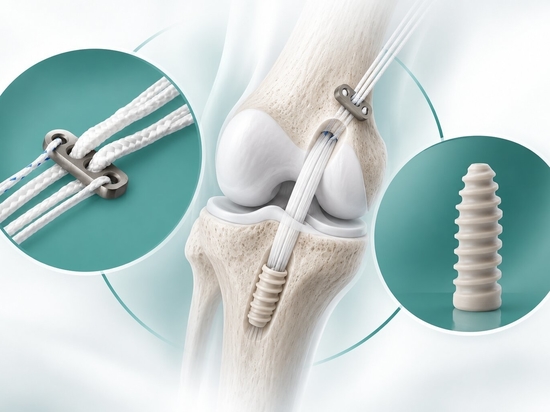
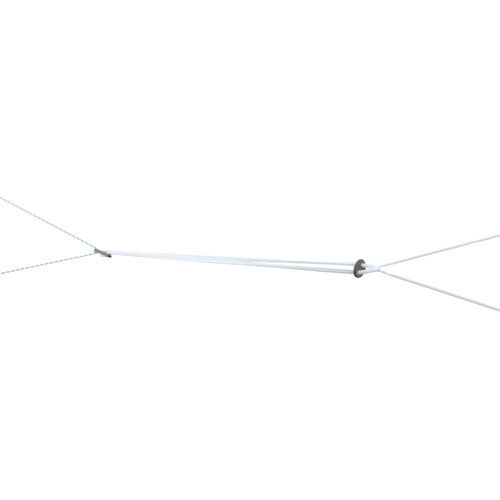
Double button fixation is a cortical fixation technique in which two small buttons are connected by high-strength suture or loop material.
One button is positioned on the clavicular side and the second is positioned on the coracoid side.
The basic concept can be represented as:
Clavicular Button → Suture/Loop Construct → Coracoid Button
When the fixation construct is tensioned appropriately, it helps maintain the desired relationship between the clavicle and coracoid.
This creates a mechanical connection across the coracoclavicular interval.
How Does a Double Button System Work?
Although exact surgical techniques vary, the basic principle generally involves creating a controlled passage between the clavicle and coracoid.
The fixation construct is then passed through the prepared bone pathway.
One cortical button is positioned against the cortex of the clavicle, while the opposite button is positioned beneath the coracoid cortex.
Once both buttons are seated and the construct is appropriately tensioned, the system helps resist separation between the clavicle and coracoid.
The construct therefore functions as a cortical suspensory fixation system.
Why Are Two Buttons Used?
The two buttons create opposing cortical fixation points.
One button distributes force at the clavicle, while the second provides support at the coracoid.
The connecting suture or loop transfers load between the two fixation points.
This arrangement can help maintain reduction without requiring a large implant inside the AC joint itself.
The effectiveness of the construct depends on several factors, including:
Correct tunnel positioning
Appropriate button seating
Bone quality
Suture or loop integrity
Reduction technique
Construct tension
Surgical technique
What Happens During Double Button AC Reconstruction?
The exact procedure varies according to the chosen surgical method, but a general sequence may include:
The AC and coracoclavicular injury is evaluated.
The clavicle and coracoid are identified.
The AC joint is reduced to the intended position.
Bone tunnels or channels are prepared according to the selected technique.
Passing sutures or guidewires are introduced.
The double button construct is passed into position.
The coracoid button is seated against the inferior cortex.
The clavicular button is positioned against the superior clavicular cortex.
The construct is tensioned while the reduction is maintained.
Final button position and joint alignment are assessed.
Additional ligament repair or reconstruction may be performed depending on the injury pattern.
What Is the Role of the Coracoid Button?
The coracoid button provides the inferior cortical fixation point.
After passing beneath the coracoid cortex, the button is positioned so that it rests against the bone.
This helps prevent the fixation construct from pulling back through the prepared passage.
Correct seating is important because an improperly positioned button may affect construct stability.
What Is the Role of the Clavicular Button?
The clavicular button provides the opposing superior fixation point.
It rests against the clavicular cortex and works together with the coracoid button to maintain the desired coracoclavicular relationship.
Once the construct is tensioned, forces are transferred through:
Clavicle → Button → Suture/Loop → Coracoid Button → Coracoid
This provides temporary or supplementary mechanical stabilization while biological healing or reconstruction progresses.
Is Double Button Fixation the Same as Ligament Healing?
No.
The fixation system provides mechanical stabilization, but it does not itself replace the biological healing process.
Depending on the injury and technique, fixation may be used to support:
Healing of injured ligaments
Direct ligament repair
Ligament reconstruction
Graft-based reconstruction
The implant helps maintain alignment during the period when soft tissues are expected to heal or integrate.
Acute vs Chronic AC Joint Injuries
The timing of the injury can influence surgical strategy.
Acute AC Joint Injury
In acute injuries, the damaged ligaments may retain some potential for biological healing.
A fixation construct may be used to maintain reduction while these structures heal, depending on the injury and surgical approach.
Chronic AC Joint Injury
In chronic cases, direct healing of the original ligament structures may be less predictable.
The surgeon may therefore consider ligament reconstruction, sometimes using tendon grafts or additional biological reconstruction techniques together with mechanical fixation.
This distinction is important because double button fixation can form part of different reconstruction strategies rather than representing one universal procedure.
Why Is Correct Reduction Important?
The fixation system is designed to maintain the position achieved by the surgeon.
It cannot compensate for an inappropriate initial reduction.
The surgeon therefore assesses the relationship between the clavicle and scapula before final fixation.
Relevant considerations include:
Coracoclavicular distance
Vertical alignment
Horizontal AC stability
Clavicle position
Associated soft-tissue injury
Proper reduction and fixation must work together.
Vertical Stability vs Horizontal Stability
AC joint instability is not limited to one direction.
Vertical Instability
Vertical instability is strongly related to disruption of the coracoclavicular ligaments.
Double button constructs are commonly used to help restore coracoclavicular stability.
Horizontal Instability
Horizontal or anteroposterior instability is also clinically important and is influenced substantially by the AC capsule and surrounding soft tissues.
A fixation technique focused primarily on the coracoclavicular interval may not address every component of horizontal instability.
For this reason, additional AC repair or reconstruction may be considered depending on the injury pattern.
Why Does Tunnel Position Matter?
Bone tunnel positioning is a critical part of button-based fixation.
The tunnel must provide an appropriate path between the clavicle and coracoid while maintaining adequate surrounding bone.
Poor positioning can potentially affect:
Bone stock
Button seating
Direction of fixation
Construct alignment
Reduction
Risk of cortical damage
The surgeon must therefore consider anatomy, implant dimensions, and the selected surgical technique when preparing the bone pathways.
Why Is Bone Preservation Important?
Both the clavicle and coracoid provide important fixation points.
Creating bone tunnels removes a certain amount of bone.
Tunnel diameter, tunnel location, number of tunnels, and distance from surrounding cortical margins can therefore influence the remaining bone stock.
Bone preservation is particularly relevant around the coracoid because of its relatively limited dimensions and surrounding neurovascular anatomy.
Appropriate instrumentation and controlled drilling are important components of the technique.
Why Is Button Seating Important?
A cortical button should rest appropriately against the cortical surface.
If a button does not fully deploy or remains incorrectly positioned, the mechanical behavior of the fixation construct may be affected.
During surgery, the surgeon may assess:
Button orientation
Cortical contact
Construct tension
Reduction
Implant position
Correct seating is therefore an important step before completing fixation.
Why Is Construct Tension Important?
Double button systems rely on tension within the connecting suture or loop construct.
Insufficient tension may allow loss of the intended reduction.
Excessive tension may over-reduce the joint or place unnecessary forces on the bone and fixation construct.
The objective is to maintain the intended relationship between the clavicle and coracoid without inappropriate overcorrection.
Final tension depends on the anatomy, injury pattern, surgical technique, and implant design.
Double Button Fixation vs Traditional AC Fixation Techniques
Different methods have historically been used for AC joint stabilization.
These may include:
Hook plates
Screws
Suture-based fixation
Cortical button systems
Ligament reconstruction with grafts
Combined techniques
Each technique uses a different mechanical principle.
Feature Double Button Fixation Plate-Based Fixation
Basic principle Cortical suspensory fixation Rigid plate fixation
Main fixation region Clavicle-coracoid Clavicle/acromial region depending on system
Construct Buttons + high-strength suture/loop Metallic plate
Implant profile Relatively small cortical components Larger plate construct
Biological reconstruction Can be combined with ligament repair/reconstruction Technique dependent
Implant removal Depends on implant and clinical situation Some plate techniques may require later removal
No fixation method should automatically be considered superior in every clinical situation.
The appropriate choice depends on the injury pattern, chronicity, bone quality, surgical objectives, and surgeon preference.
Can Double Button Fixation Be Used with a Tendon Graft?
Yes, depending on the reconstruction technique.
In some procedures, cortical button fixation may be combined with a tendon graft used to reconstruct the coracoclavicular ligaments.
In this type of strategy:
The button construct can provide mechanical stabilization.
The graft can provide biological ligament reconstruction.
The exact configuration varies according to surgical technique.
Double button fixation should therefore be viewed as a fixation principle that can be incorporated into different AC reconstruction procedures.
Why Is Coracoid Anatomy Important?
The coracoid process is a relatively small bony structure surrounded by important anatomical structures.
Tunnel placement must therefore be carefully controlled.
Factors that may influence planning include:
Coracoid width
Tunnel diameter
Tunnel orientation
Remaining bone around the tunnel
Implant dimensions
Surgical access
Precise instrumentation can help the surgeon prepare the intended pathway while preserving surrounding bone.
What Instruments May Be Used During AC Reconstruction?
Depending on the technique, AC joint reconstruction may involve:
Drill guides
Guidewires
Passing sutures
Cannulated drills
Suture passing instruments
Reduction instruments
Cortical buttons
The instrumentation is intended to help establish controlled bone tunnels and guide the fixation construct into the desired position.
What Are the Main Goals of AC Joint Reconstruction?
The overall objectives may include:
Restore appropriate clavicle-scapula alignment
Reduce pathological AC displacement
Restore coracoclavicular stability
Support healing or reconstruction of damaged ligaments
Preserve functional shoulder mechanics
The specific goals can vary according to injury severity and whether the condition is acute or chronic.
Does Double Button Fixation Restore the Entire AC Joint?
Not necessarily by itself.
The AC joint is stabilized by multiple structures.
A double button construct primarily provides fixation across the coracoclavicular region.
Depending on the pattern of injury, additional treatment may be needed to address:
AC capsule
Horizontal instability
Deltoid-trapezial fascia
Chronic ligament insufficiency
Associated shoulder injuries
For this reason, AC reconstruction should be considered a complete surgical strategy rather than simply the placement of a fixation implant.
What Factors Influence the Choice of AC Reconstruction Technique?
The surgeon may consider:
Injury classification
Degree of displacement
Acute versus chronic injury
Coracoclavicular ligament condition
AC capsule integrity
Horizontal instability
Bone quality
Patient activity level
Previous surgery
Implant design
Surgeon experience and preference
These variables explain why different reconstruction techniques may be appropriate for different patients.
Orthosyn Double Button AC Fixation
Orthosyn Medikal offers a Double Button AC fixation system as part of its ligament fixation portfolio.
The system is based on the principle of cortical fixation between the clavicle and coracoid using opposing buttons connected through a fixation construct.
This fixation concept can support selected AC joint stabilization and reconstruction techniques in which controlled coracoclavicular fixation is required.
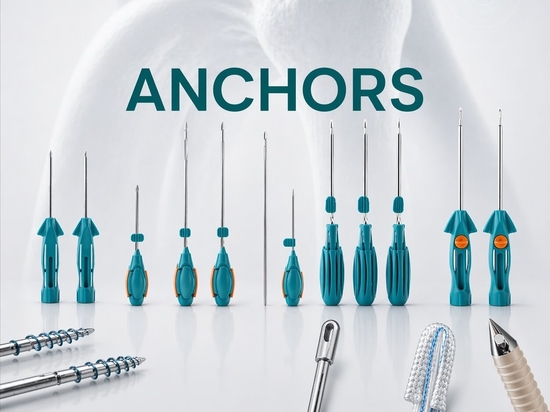
Orthosyn’s sports medicine portfolio also includes fixation systems, interference screws, suture anchors, and surgical instrumentation designed for different arthroscopic and ligament reconstruction procedures.
Conclusion
AC joint reconstruction is a surgical strategy used to restore stability between the clavicle and scapula after disruption of the acromioclavicular and coracoclavicular stabilizing structures.
One method used to achieve coracoclavicular stabilization is double button fixation.
In this technique, one cortical button is positioned on the clavicular side and another on the coracoid side. A high-strength suture or loop construct connects the buttons and helps maintain the desired relationship between the clavicle and coracoid.
The fundamental principle can be summarized as:
Clavicle → Cortical Button → Suture/Loop Construct → Cortical Button → Coracoid
However, successful AC reconstruction involves more than the fixation implant alone. Reduction, tunnel position, bone quality, horizontal and vertical stability, ligament condition, injury chronicity, and surgical technique must all be considered.
Orthosyn Medikal provides Double Button AC fixation solutions designed to support different approaches to coracoclavicular stabilization and AC joint reconstruction.