#Product Trends
How Are Radial Meniscus Tears Repaired? | Orthosyn
Learn how radial meniscus tears are treated using arthroscopic repair techniques, specialized sutures, and meniscal repair devices to restore meniscal continuity and support knee joint stability.
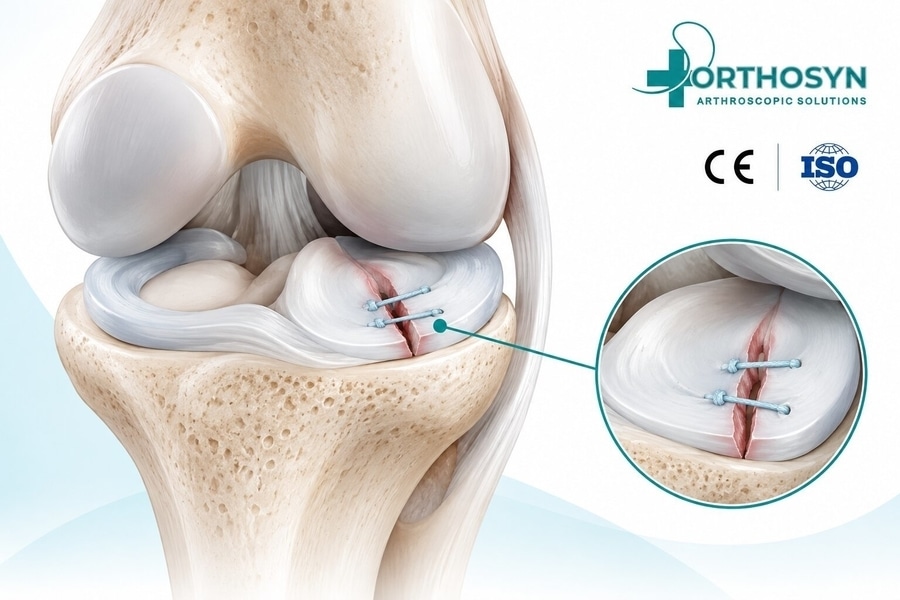
Radial meniscus tears are injuries that extend across the circumferential collagen fibers of the meniscus. Unlike longitudinal tears, radial tears can disrupt the meniscus's ability to distribute loads effectively across the knee joint.
Arthroscopic radial meniscus repair aims to restore the continuity of the damaged tissue while preserving as much of the natural meniscus as possible.
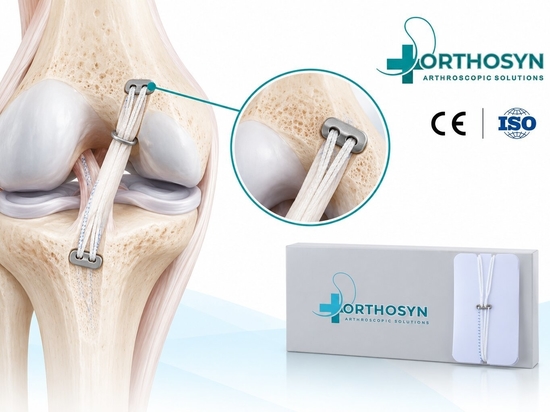
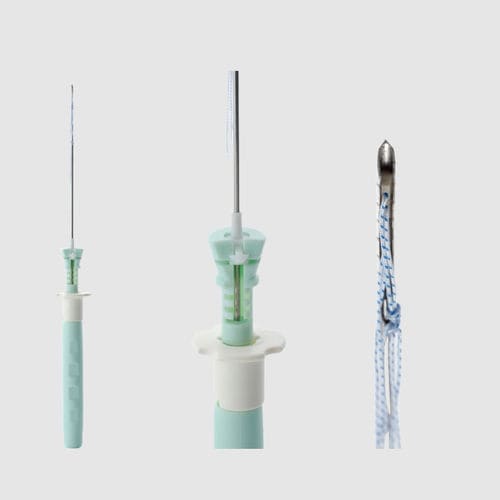
Modern repair techniques use high-strength sutures and specialized meniscal repair devices, including all-inside systems such as Orthosyn MENIXOR and VERSAFIX, to support stable tissue fixation in appropriately selected cases.
What Is a Radial Meniscus Tear?
A radial meniscus tear extends from the inner free edge of the meniscus toward its outer peripheral region.
These tears interrupt the circumferential collagen fibers responsible for converting compressive forces into hoop stresses.
When these fibers are disrupted, the meniscus may lose part of its ability to distribute mechanical loads across the knee.
Common symptoms include:
- Knee pain during movement or weight-bearing
- Swelling and joint tenderness
- Clicking or catching sensations
- Difficulty squatting or twisting
- Reduced knee function
The severity of symptoms depends on the tear's location, size, and associated injuries.
Why Is Radial Meniscus Repair Important?
The meniscus plays an essential role in knee biomechanics.
Its primary functions include load distribution, shock absorption, joint stability, and cartilage protection.
A complete radial tear can significantly compromise these functions because it interrupts the circumferential fibers that maintain hoop stress.
Historically, many radial tears were treated through partial meniscectomy, particularly when repair was considered difficult.
However, advances in arthroscopic techniques have increased interest in meniscus-preserving repair, especially when the tissue quality and tear characteristics allow stable fixation.
Preserving functional meniscal tissue may help maintain more normal knee biomechanics.
How Is a Radial Meniscus Tear Repaired Arthroscopically?
Arthroscopic radial meniscus repair is performed through small incisions using a camera and specialized surgical instruments.
The procedure generally involves five stages.
1. Arthroscopic assessment
The surgeon examines the meniscus to identify the tear's location, depth, configuration, and tissue quality.
2. Preparation of the tear
The damaged edges may be refreshed to improve tissue contact and create conditions that support biological healing.
3. Reduction of the meniscus
The separated meniscal segments are repositioned to restore their anatomical alignment.
4. Suture placement
High-strength sutures are passed through the meniscal tissue using an appropriate repair technique.
5. Fixation and stability assessment
The sutures are secured, and the repaired meniscus is evaluated for stability and tissue approximation.
The objective is to restore continuity across the radial tear while minimizing damage to the surrounding meniscal tissue.
Which Suture Techniques Are Used for Radial Meniscus Repair?
Different techniques may be selected depending on the location and configuration of the tear.
Horizontal Mattress Sutures
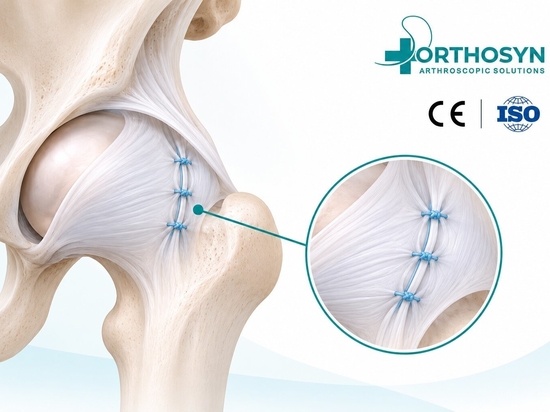
Horizontal mattress sutures can approximate the separated meniscal edges.
However, conventional configurations may not always provide sufficient resistance to displacement in larger radial tears.
Cross-Suture Techniques
Cross-suture configurations use intersecting sutures to connect the separated meniscal segments.
These techniques are designed to improve tissue approximation and distribute fixation forces across the repair.
Reinforced Repair Techniques
Reinforced constructs may combine horizontal, vertical, or cross-suture configurations.
Some techniques use additional stabilizing sutures to reduce the risk of tissue displacement under mechanical loading.
The optimal configuration depends on tear characteristics, tissue quality, and the surgeon's assessment.
All-Inside vs Inside-Out Radial Meniscus Repair
Two commonly used approaches are all-inside and inside-out meniscus repair.
Feature All-Inside Repair Inside-Out Repair
Surgical approach Instruments introduced arthroscopically Sutures passed from inside the joint to the outside
Additional incision Often not required Typically required
Fixation Specialized repair devices Sutures tied outside the joint capsule
Main consideration Device access and fixation configuration Suture placement flexibility and neurovascular protection
Neither technique is universally superior. The choice depends on the tear pattern, anatomical location, and required fixation construct.
How Do Orthosyn Meniscal Repair Devices Support Arthroscopic Surgery?
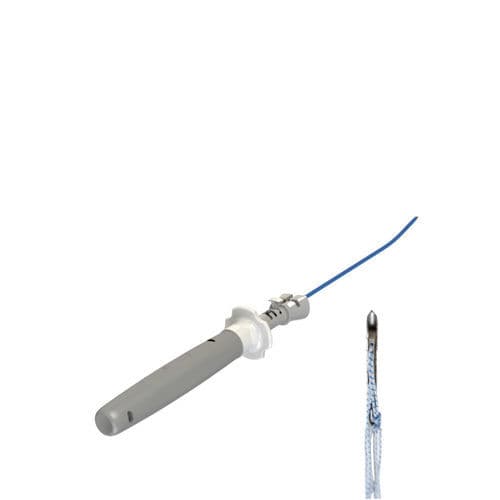
Orthosyn Medikal offers meniscal repair solutions, including MENIXOR and VERSAFIX all-inside meniscal repair devices.
These systems are designed for arthroscopic meniscal fixation, allowing surgeons to place sutures and approximate meniscal tissue using specialized delivery mechanisms.
All-inside technology may offer practical advantages in selected procedures:
- Arthroscopic access to meniscal tissue
- Reduced need for additional surgical incisions
- Controlled delivery of fixation components
- Support for minimally invasive meniscal repair
For radial tears, device suitability depends on the specific tear configuration, required suture pattern, anatomical access, and approved indications.
Not every radial tear can be adequately repaired using a single all-inside device or technique.
What Factors Influence Radial Meniscus Healing?
Successful meniscal healing depends on several biological and mechanical factors.
Tear location: The peripheral meniscus generally has a better blood supply than the central region, which may influence healing potential.
Tissue quality: Healthy meniscal tissue is more likely to maintain stable suture fixation than severely degenerated tissue.
Repair stability: Appropriate suture placement and tissue approximation are important for maintaining the repair during healing.
Associated injuries: Ligament injuries and knee instability may influence treatment planning and rehabilitation.
Postoperative rehabilitation: Weight-bearing restrictions, knee motion, and return-to-sport progression should follow the surgeon's protocol.
Healing outcomes vary, and some repairs may fail or require additional treatment.
Conclusion
Arthroscopic radial meniscus repair aims to restore meniscal continuity, preserve functional tissue, and support normal knee biomechanics.
Modern techniques use different suture configurations, including horizontal mattress, cross-suture, and reinforced constructs, to stabilize separated meniscal segments.
Orthosyn Medikal provides MENIXOR and VERSAFIX all-inside meniscal repair systems as part of its arthroscopic sports medicine portfolio.
Selecting the appropriate repair technique and fixation system requires consideration of tear location, tissue quality, biomechanical stability, and the individual patient's clinical condition.
ALMANCA
TITLE
SUBTITLE
DESCRIPTION