

#Product Trends
Can Horizontal Meniscus Tears Be Repaired? | Orthosyn
Explore horizontal meniscus tears, meniscal preservation, surgical repair techniques, and the role of all-inside meniscal repair devices in arthroscopic knee surgery.
Horizontal meniscus tears, also known as horizontal cleavage tears, divide the meniscus into superior and inferior tissue layers. These tears may develop due to degenerative changes, repetitive mechanical loading, or traumatic injuries.
Although horizontal meniscus tears were traditionally treated with partial meniscectomy in selected symptomatic cases, advances in arthroscopic techniques and meniscal repair technology have expanded the possibilities for meniscal preservation.
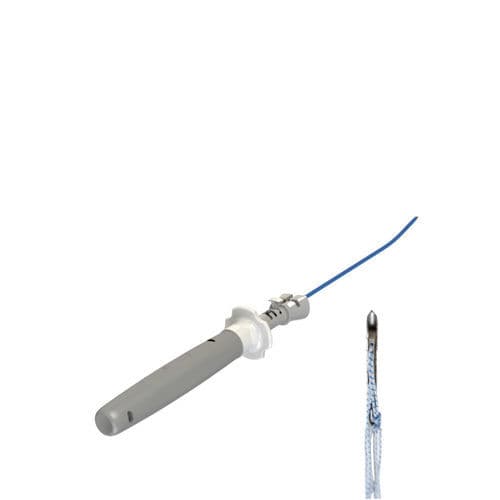
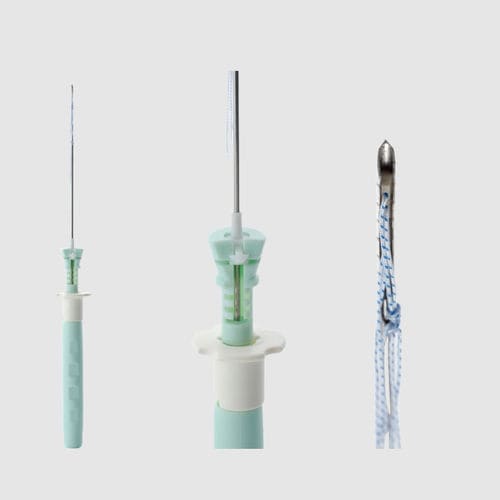
Orthosyn Medikal's VERSAFIX All-Inside Meniscal Repair System offers a fixation option for meniscal repair procedures, depending on tear characteristics and device-specific indications.
What Is a Horizontal Meniscus Tear?
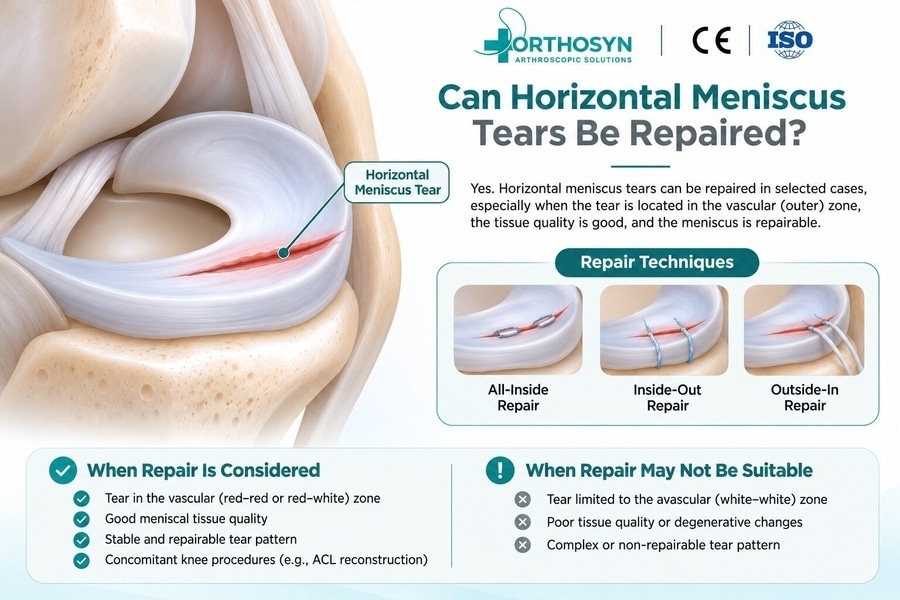
A horizontal meniscus tear is a type of meniscal injury in which the tear extends approximately parallel to the tibial plateau, separating the meniscus into upper and lower layers.
Horizontal tears can occur in both the medial and lateral meniscus and may involve the anterior horn, body, or posterior horn.
Common causes and contributing factors include:
- Age-related meniscal degeneration
- Repetitive mechanical loading
- Sports-related injuries
- Traumatic knee injuries
- Changes in meniscal tissue quality
Horizontal meniscus tears may also be associated with parameniscal cysts, which can develop when joint fluid passes through the tear into surrounding tissues.
Can Horizontal Meniscus Tears Be Repaired?
Yes. Selected horizontal meniscus tears can be repaired using arthroscopic meniscal repair techniques.
Historically, horizontal cleavage tears were often considered less suitable for repair because of their degenerative characteristics and limited healing potential.
However, modern fixation techniques have made meniscal preservation possible in appropriately selected cases.
The suitability of a horizontal tear for repair depends on several factors:
- Location and extent of the tear
- Meniscal tissue quality
- Vascular supply
- Patient age and activity level
- Associated cartilage damage
- Degree of meniscal degeneration
- Stability of the remaining meniscal tissue
Not every horizontal meniscus tear requires surgery or is suitable for repair. Clinical assessment remains essential when determining the appropriate treatment.
Why Is Meniscal Preservation Important?
The meniscus plays an important role in maintaining normal knee joint biomechanics.
Its principal functions include load distribution, shock absorption, joint stability, and protection of articular cartilage.
Removing meniscal tissue can reduce the contact area between joint surfaces and increase contact pressure on the articular cartilage.
When clinically appropriate, meniscal repair aims to preserve functional tissue rather than remove it.
Potential objectives of meniscal preservation include:
- Maintaining meniscal function
- Preserving load distribution
- Supporting knee joint stability
- Reducing unnecessary meniscal tissue loss
- Maintaining physiological joint biomechanics
Successful repair depends on both mechanical fixation and biological healing.
How Are Horizontal Meniscus Tears Repaired?
Horizontal meniscus repair is generally performed arthroscopically. The objective is to bring the superior and inferior meniscal layers together, stabilize the tear, and create conditions that support tissue healing.
1. Arthroscopic Assessment
The surgeon evaluates the location, extent, stability, and tissue quality of the horizontal tear.
Associated cartilage and ligament injuries are also assessed.
2. Tear Preparation
When appropriate, the tear surfaces may be prepared to support biological healing while preserving viable meniscal tissue.
3. Meniscal Fixation
Sutures or meniscal repair devices are used to approximate and stabilize the separated meniscal layers.
Circumferential compression sutures may be used in selected horizontal cleavage tears to bring the superior and inferior layers together.
4. Stability Assessment
Following fixation, the surgeon evaluates the repaired meniscus to assess tissue approximation and mechanical stability.
Postoperative rehabilitation is planned according to the tear characteristics, repair technique, and associated injuries.
Which Techniques Are Used to Repair Horizontal Meniscus Tears?
Several meniscal repair techniques may be considered depending on the anatomical location and characteristics of the tear.
Repair Technique General Characteristics
All-Inside Repair Uses arthroscopically delivered fixation devices or sutures
Inside-Out Repair Sutures are passed from inside the joint toward the external capsule
Outside-In Repair Sutures are introduced from outside the joint into the meniscus
Circumferential Compression Sutures Aim to approximate and compress the superior and inferior meniscal layers
Circumferential compression describes a suture configuration rather than a separate surgical access technique. It may be achieved using different repair methods and compatible instrumentation.
The appropriate technique depends on tear morphology, anatomical accessibility, tissue quality, and surgeon preference.
How Are All-Inside Meniscal Repair Devices Used?
All-inside meniscal repair systems are designed to facilitate meniscal fixation through arthroscopic access without requiring the additional external incision typically associated with inside-out repair.
Depending on the device design and tear configuration, these systems may help achieve tissue approximation and mechanical stabilization.
The Orthosyn VERSAFIX All-Inside Meniscal Repair System is designed for arthroscopic meniscal fixation procedures.
Important considerations when selecting a meniscal repair device include:
- Tear location and morphology
- Implant and suture configuration
- Anatomical accessibility
- Fixation stability
- Meniscal tissue quality
- Device-specific indications and instructions for use
The suitability of VERSAFIX for a particular horizontal meniscus tear should be evaluated according to the intended fixation technique and approved product indications.
Horizontal Meniscus Repair vs Partial Meniscectomy
Meniscal repair and partial meniscectomy represent different surgical approaches to symptomatic meniscal tears.
Characteristic Meniscal Repair Partial Meniscectomy
Surgical objective Preserve and stabilize meniscal tissue Remove unstable or damaged tissue
Tissue preservation Aims to preserve viable meniscal tissue Removes selected meniscal tissue
Biological healing Required for successful tissue repair Healing across the original tear is not required
Rehabilitation Often requires longer postoperative protection Generally allows faster initial recovery
Long-term considerations Aims to maintain meniscal function Tissue loss may increase articular cartilage loading
For many degenerative horizontal tears, non-surgical management remains an appropriate initial treatment.
The decision between conservative treatment, meniscal repair, and partial meniscectomy should be based on individual clinical findings.
What Factors Influence Horizontal Meniscus Healing?
Successful horizontal meniscus repair depends on several mechanical and biological factors.
Vascular supply: Tears extending into vascularized peripheral regions may have greater healing potential.
Tissue quality: Healthy, structurally intact meniscal tissue generally provides more favorable conditions for fixation and healing.
Fixation stability: Appropriate tissue approximation and mechanical stabilization are important during the healing period.
Tear characteristics: Tear size, location, chronicity, and complexity can influence repair outcomes.
Rehabilitation: Postoperative protection, controlled loading, and progressive rehabilitation contribute to functional recovery.
No fixation device or surgical technique can guarantee successful meniscal healing.
Conclusion
Horizontal meniscus tears can be repaired in appropriately selected patients. Advances in arthroscopic meniscal repair techniques have expanded opportunities for preserving meniscal tissue that might previously have been removed.
All-inside repair, inside-out repair, and circumferential compression suture configurations provide different approaches to meniscal stabilization.
Orthosyn Medikal's VERSAFIX All-Inside Meniscal Repair System offers an arthroscopic fixation option within the company's sports medicine and meniscal repair portfolio.
Appropriate patient selection, meniscal tissue preservation, stable fixation, and biological healing remain fundamental considerations in horizontal meniscus repair.
 鄂公网安备42018502009510号