#Industry News
Application of Animal Energy Metabolism System in the Study of Obesity
Obesity is a chronic condition and a key contributor to the development of hypertension, coronary heart disease, stroke, type II diabetes, dyslipidemia, and other chronic illnesses.
A significant cause of obesity and metabolic syndrome is the dysregulation of energy metabolism, primarily due to excessive intake of high-energy foods.
Research Methods
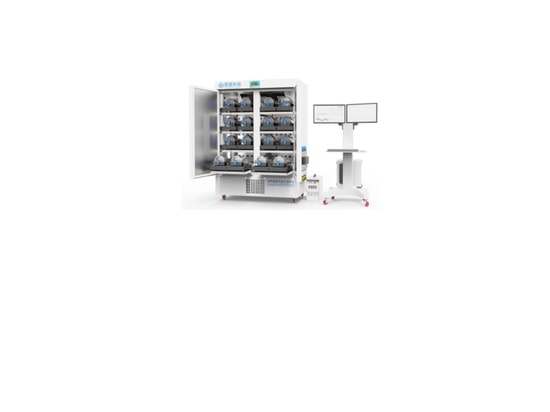
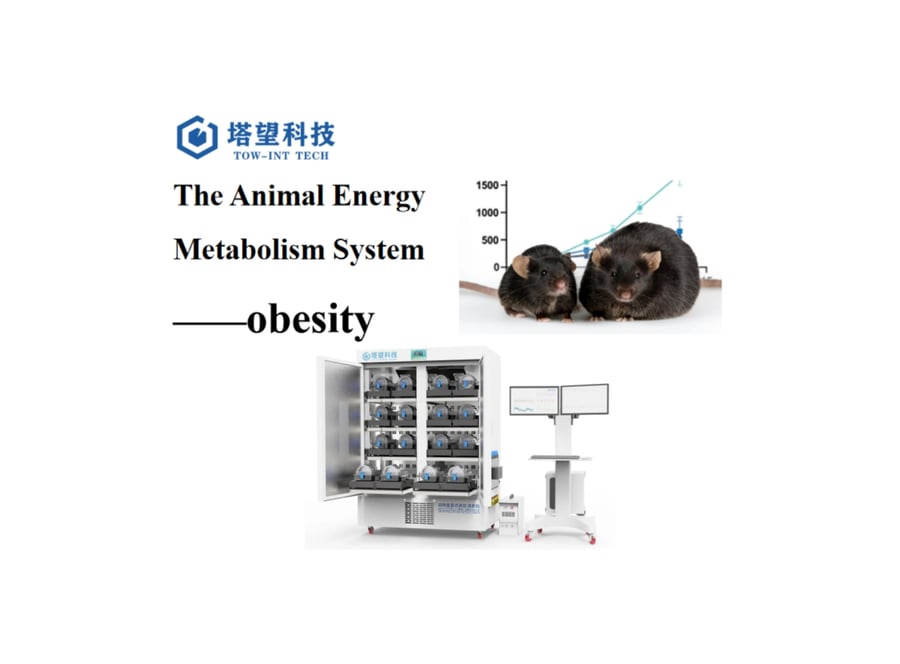
The Animal Energy Metabolism System (EM-4M/R, Tow-Int Tech) is designed for real-time monitoring of animals’ basic physiological parameters and spontaneous activity. It includes features such as gas analysis, food and water intake monitoring, body weight measurement, XYZ-axis activity tracking, and running wheel activity monitoring. This system allows for qualitative and quantitative analysis of animal behavior and its relationship with respiratory metabolism. It is widely used in studies of metabolic diseases, circadian rhythms, and sleep, where continuous monitoring of basal metabolic indicators and daily activity is required.
During the experiment, animals can move freely within a homecage. The system uses indirect calorimetry to monitor parameters such as oxygen consumption rate (VO2), carbon dioxide production rate (VCO2), respiratory exchange ratio (RER), and heat production (EE) in real time. Additionally, the system includes a monitored food trough and water bottle to record feeding and drinking behaviors. The system can simultaneously monitor 4-16 animals.
Key Measurements
Oxygen Consumption (O2 Consumption, ml/kg/hr)
Carbon Dioxide Production (CO2 Production, ml/kg/hr)
Respiratory Exchange Ratio (RER)
Heat Production (Heat, kcal/kg/hr)
Horizontal/Vertical Movement (Movement, counts)
Food Intake (Food intake, g)
Water Intake (Water intake, g)
Experimental Materials
Animals: Mice, C57BL/6, 3-5 weeks old, male, 20 subjects.
Diet: High-fat diet.
Equipment: Animal Energy Metabolism System (EM-4M/R, Tow-Int Tech).
Modeling and Measurement
The mice were divided into a control group and a model group. The control group was fed a regular maintenance diet, while the model group was fed a high-fat diet to establish an obesity model over 15 weeks. In the 16th week, a 24-hour energy metabolism test was conducted.
Conclusion
As shown in Figures 1A and 2A, the RER value in the obesity model stabilizes around 0.75, with a slight increase to around 0.8 during the day, indicating that fat is the primary substrate being oxidized in the obese model animals. In contrast, the control mice have an RER value of around 0.85, with a night-time increase of around 0.95, suggesting that carbohydrate metabolism predominates during periods of increased activity. Higher VO2, VCO2, and EE values were observed at night due to increased activity, demonstrating a clear circadian rhythm. The Animal Energy Metabolism System is indispensable for respiratory metabolism analysis in similar models, as it accurately refers to metabolites and discusses the relationship between respiratory metabolism and physical activity in terms of activity level and energy expenditure.
Practical Application
Breakthrough in Cell Metabolism Reveals a New Mechanism of Glucose Metabolic Homeostasis
Contact us now!
We are committed to making your research easier, more accurate, and more efficient and helping you build confidence in your data! We have provided services for a large number of customers, giving us rich experiences in offering customized, professional solutions according to your needs.