#Industry News
【New Product Release】Human Energy Metabolism Assessment System
Human Energy Metabolism Assessment System-tow-int
In recent years, numerous studies have shown that energy metabolism is closely linked to major chronic non-communicable diseases such as diabetes, obesity, cardiovascular diseases, cancer, and aging. Strengthening fundamental research on the regulatory mechanisms of energy metabolism in the body is critical to addressing the challenges posed by chronic diseases.
Energy metabolism, one of the most fundamental characteristics of life, continuously converts energy sources into usable energy to power all human activities. However, under the influence of certain diseases, the body’s energy metabolism can become imbalanced. For example, tumor cells grow faster than normal cells because they consume more glucose, increasing the body’s energy demands and leading to symptoms such as weight loss and fatigue. Conversely, excessive intake of high-fat and high-sugar diets can result in the deposition of lipids and sugars, causing conditions like hyperglycemia and hyperlipidemia, which threaten health. Both energy deficiency and excess are forms of energy metabolic imbalance.
I. System Principles
The human energy metabolism assessment system employs indirect calorimetry, measuring changes in oxygen (O₂) and carbon dioxide (CO₂) concentrations and gas volumes within the system to calculate the subject’s oxygen consumption (VO₂) and carbon dioxide production (VCO₂). The system enables non-invasive, continuous, real-time measurement of human energy expenditure and the consumption rates of the three major energy-supplying nutrients: carbohydrates, fats, and proteins.
Figure 1. System Principles
II. Significance of the Human Energy Metabolism Assessment System
1. BMR (Basal Metabolic Rate)
BMR refers to the energy expenditure measured under thermoneutral conditions while resting and lying flat upon waking. It accounts for approximately 80% of 24-hour energy expenditure and is the most commonly used metric in energy metabolism research. It is influenced by factors such as fat-free mass (FFM), fat mass (FM), sex, age, ethnicity, environment, physiological status, and disease states.
2. SMR (Sleep Metabolic Rate)
SMR is typically calculated using 3 consecutive hours of sleep with minimal physical activity (<1%–1.5%) or the 3-hour period with the lowest average energy expenditure. Metabolic chambers can assess the impact of disrupted sleep rhythms on energy balance or substrate utilization, thereby exploring mechanisms linking insufficient sleep or sleep disorders to metabolic diseases.
3. DIT (Diet-Induced Thermogenesis)
DIT accounts for about 10% of 24-hour energy expenditure and is strongly influenced by diet. Metabolic chambers can standardize postprandial activity to evaluate DIT, enabling research on how total caloric intake, macronutrient composition, meal timing, and duration affect DIT. This helps investigate the role of diet and energy expenditure in obesity and other metabolic diseases. However, specific dietary patterns, such as the Mediterranean diet, require further study to clarify their effects on energy expenditure—a key future application of metabolic chambers in nutrition and health.
4. AEE (Activity Energy Expenditure)
Metabolic chambers can measure energy expenditure during sedentary behaviors (e.g., computer use, smartphone interaction, meditation) to accurately assess the impact of modern lifestyles on energy metabolism and metabolic diseases.
5. EPOC (Excess Post-Exercise Oxygen Consumption)
6. REE/RMR (Resting Energy Expenditure/Resting Metabolic Rate)
7. OMR (Overnight Metabolic Rate)
III. Applications
1. Conduct large-scale energy metabolism assessments in healthy populations to establish normal reference ranges.
2. Evaluate disease states and interventions in patients with endocrine disorders to optimize clinical treatment protocols.
3. Establish cohorts for longitudinal studies to explore patterns of energy metabolism in disease progression.
4. Assess or predict the efficacy of existing therapies for metabolic diseases such as obesity.
5. Support drug development, including weight-loss medications that enhance metabolic rates or fat-oxidizing agents.
IV. New Product Launch
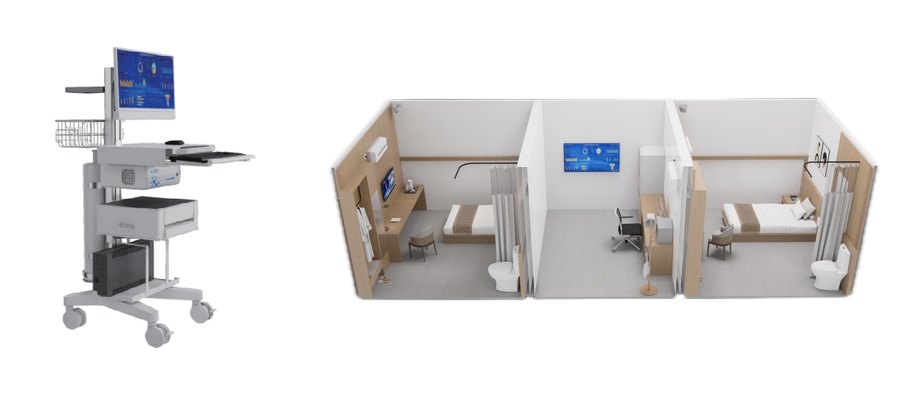
Metabolic Chamber
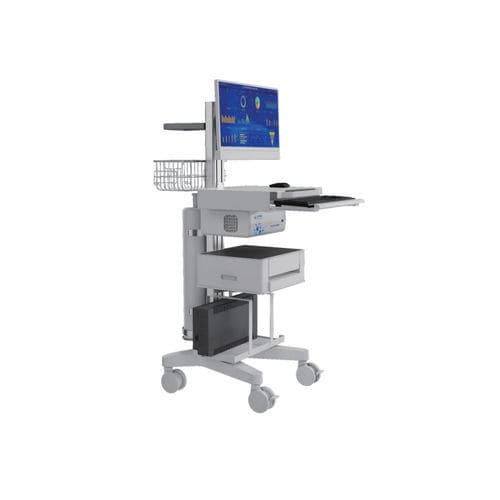
MetPro Metabolic Cart