#Industry News
The Application of Metabolic and Behavioral Phenotyping Systems in Anti-aging Research
The Application of Metabolic Phenotyping in Anti-aging Research
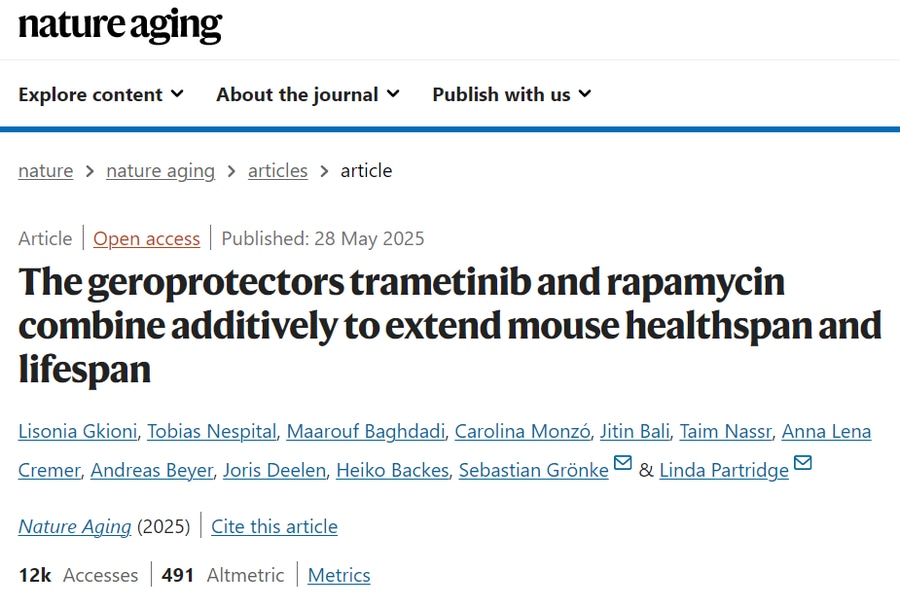
On the path to exploring human health and longevity, scientists have been dedicated to finding effective methods to delay the aging process. On May 28, 2025, a research team from the Max Planck Institute for Biology of Ageing published an article titled "The geroprotectors trametinib and rapamycin combine additively to extend mouse healthspan and lifespan" in the journal Nature Aging.
This study discovered that the combination of Rapamycin and Trametinib can extend mouse lifespan by nearly 30% and significantly improve the health status of aged mice. Specifically, the following three comparative experiments were conducted:
1. Drug Dose Range Experiment:
This experiment aimed to determine the effective dose range of Trametinib in mice to inhibit the Ras/Mek/Erk signaling pathway without causing adverse effects. Researchers added different doses of Trametinib to the mouse diet and measured plasma concentration, MEK activity in organs (liver, spleen, kidney, etc.), body weight, water intake, food intake, liver function markers, and other indicators. The results showed that at low doses (0.29 mg/kg), Trametinib failed to effectively inhibit MEK activity. At high doses (11.52 mg/kg), it caused weight loss and other adverse effects. Only at the intermediate dose (1.44 mg/kg) did Trametinib effectively inhibit MEK activity without causing adverse reactions.
2. Lifespan Extension Experiment with Trametinib and Rapamycin:
This experiment aimed to compare the lifespan extension effects of Trametinib alone, Rapamycin alone, and their combination. Mice were divided into four groups receiving different drug treatments, and their survival rates and health status were monitored. The results demonstrated that both Trametinib and Rapamycin alone significantly extended mouse lifespan, and their combination produced an even more pronounced effect.
3. Experiment on the Effect of Trametinib and Rapamycin on Tumor Growth:
This experiment investigated whether Trametinib and Rapamycin could delay tumor growth. Mice were divided into three groups receiving different drug treatments, and their tumor incidence was observed. The results indicated that neither Trametinib nor Rapamycin alone significantly reduced tumor occurrence. However, their combination significantly reduced the number of liver and spleen tumors, likely by delaying the time of tumor formation.
Furthermore, researchers used metabolic cages to measure body weight, fat mass, lean mass, water and food intake, and the respiratory exchange ratio (RER). Consistent with prior testing, 1.44 mg/kg Trametinib had no effect on body weight. In contrast, both Rapamycin and the combination treatment reduced body weight in female mice at 20 months. The combination treatment induced a significant increase in fat content and a decrease in lean mass in female mice, but not in males. Female mice treated with Trametinib alone also had lower lean mass. The drug treatments did not affect water or food intake. In 16-month-old female mice, drug treatments did not significantly alter RER,while all three drug treatments significantly reduced RER during the night, indicating a slight shift toward mixed carbohydrate and lipid utilization.
Advantages of the Study:
The research utilized two distinct drugs, trametinib and rapamycin, and demonstrated that combination therapy extends lifespan and improves health in mice. Additionally, the researchers evaluated the pharmacokinetic effects of these drugs in different organs, which contributes to a better understanding of their mechanisms of action.
Methodological Innovations:
The study employed multiple experimental methods to assess drug efficacy, including survival analysis, histopathology, liquid chromatography-mass spectrometry (LC-MS), and other technologies. Furthermore, the researchers conducted gene expression analysis and immunohistochemical staining to gain a more comprehensive understanding of the drugs' mechanisms of action.
Future Outlook:
This study suggests that the combination therapy of trametinib and rapamycin may have potential anti-aging effects, representing a significant discovery for humans. However, as the current research is limited to a mouse model, further studies are needed to determine if these results translate to humans. Additionally, more research is required to explore the side effects and safety profiles of these drugs to develop more effective anti-aging treatments in the future.
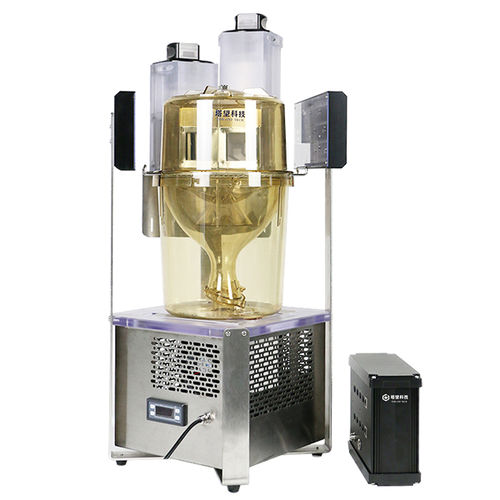
Metabolic and Behavioral Phenotyping Systems from Tow-Int
The integrated platform for animal metabolism and behavioral observation enables 24/7 continuous monitoring of animals in their cages. The automated process requires no interference with the animals and can simultaneously measure the metabolic data of up to 64 animals.
Selectable parameters: Energy expenditure, metabolic substrates, food and water intake, feeding and drinking patterns, spacial location, total activity and wheel rotations, individual body mass, and voluntary behaviors.