#Industry News
Tow-Int's Whole Body Plethysmograph System: A Key Tool in Pulmonary Fibrosis Research
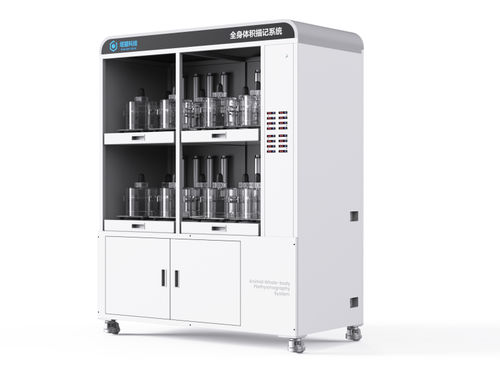
The study utilized the Whole Body Plethysmograph system to conduct comparative studies on lung function in the mouse models
Recently, Professor Yang Yang from Tongji University and Associate Professor Fang Huapan from Xiamen University published a research paper titled "Inhalable siRNA Targeting IL-11 Nanoparticles Significantly Inhibit Bleomycin-Induced Pulmonary Fibrosis" in the journal ACS Nano.
This study developed an innovative inhalable small interfering RNA (siRNA) delivery system, PEI-GBZA, composed of low molecular weight polyethylenimine (PEI) modified with 4-guanidinobenzoic acid (GBZA). This system efficiently loads siRNA targeting IL-11 (siIL-11), forming stable nanoparticles through multiple interactions. After inhalation, the PEI-GBZA/siIL-11 nanoparticles effectively accumulate in fibrotic lesions, inhibit key pathological processes, alleviate pulmonary fibrosis, and exhibit negligible systemic toxicity. This platform holds promise as an effective treatment for idiopathic pulmonary fibrosis (IPF) and other lung diseases.
The researchers successfully prepared the PEI-GBZA/siIL-11 nanoparticles and conducted multi-level experimental studies to validate these conclusions from various angles.
1. Preparation and Characterization of PEI-GBZA/siIL-11 Nanoparticles
The researchers successfully synthesized PEI-GBZA via amide condensation reactions and mixed it with siRNA to form PEI-GBZA/siRNA nanoparticles. Experiments showed that PEI-GBZA effectively encapsulated siRNA at mass ratios of PEI-GBZA to siRNA of 1.25 and above, with the highest cellular uptake efficiency observed at a 2.5:1 ratio. After nebulization, the nanoparticles maintained stable zeta potential, particle size, and morphology, achieving a high encapsulation efficiency of 91.8 - 92.6%. PEI-GBZA effectively protected siRNA from degradation by ribonuclease (RNase) and remained stable across different pH environments.
A/siRNA Nanoparticles
2. Suppression of Pulmonary Fibrosis In Vitro by PEI-GBZA/siIL-11 Nanoparticles
Using the prepared PEI-GBZA/siIL-11 nanoparticles, researchers conducted in vitro experiments using mouse embryonic fibroblasts (MEFs) and mouse lung epithelial-12 cells (MLE-12). Results demonstrated that these nanoparticles significantly inhibited cell migration, reduced reactive oxygen species (ROS) generation, and decreased the expression of α-smooth muscle actin (α-SMA) and collagen type I alpha 1 (COL1A1), thereby effectively suppressing the progression of pulmonary fibrosis.
3. Efficient Retention of Inhaled PEI-GBZA/siRNA Nanoparticles in Lung Tissue
Studies confirmed that PEI-GBZA/siIL-11 effectively inhibited IL-11 expression in cell experiments, subsequently reducing α-SMA and COL1A1 levels and inhibiting cell migration. Further investigation into its distribution in mouse lung tissue revealed that after nebulized inhalation, the fluorescence intensity of PEI-GBZA/siRNA nanoparticles significantly increased in lung tissue. They primarily accumulated in pulmonary fibrotic lesions and were taken up by lung epithelial cells, endothelial cells, and immune cells. Simultaneously, experiments proved that the PEI-GBZA/siIL-11 nanoparticles possessed good biosafety.
4. Treatment of Pulmonary Fibrosis with PEI-GBZA/siIL-11 Nanoparticles
A mouse model of bleomycin-induced pulmonary fibrosis was established to evaluate the therapeutic efficacy of PEI-GBZA/siIL-11 nanoparticles. Results showed that these nanoparticles effectively reduced hemorrhage and necrosis in mouse lung tissue, lowered ROS levels, decreased the expression of α-SMA, COL1A1, and TGF-β1, reduced levels of hydroxyproline and inflammatory cytokines in both lung tissue and bronchoalveolar lavage fluid (BALF), improved lung function, decreased collagen deposition and alveolar collapse, and reduced the proportion of inflammatory cells such as neutrophils and macrophages, demonstrating excellent anti-fibrotic effects.
This study utilized the Whole Body Plethysmograph system independently developed by Tow-Int Technology to conduct comparative studies on lung function in the mouse models. A series of respiratory parameters were obtained, as shown in Figure 6 K-P: Inspiratory/Expiratory Time Ratio (Ti/Te), Breath Frequency, Expiratory Flow at 50% (EF50), Penh, Peak Inspiratory Flow (PIF), and Peak Expiratory Flow (PEF). This provided robust data support for the experiments.
【Reference】
Dong S, Fang H, Zhu J, et al. Inhalable siRNA Targeting IL-11 Nanoparticles Significantly Inhibit Bleomycin-Induced Pulmonary Fibrosis. ACS Nano. 2025;19(2):2742-2758. doi:10.1021/acsnano.4c15130