#Industry News
Diagnosis and Treatment of Renal Artery Stenosis
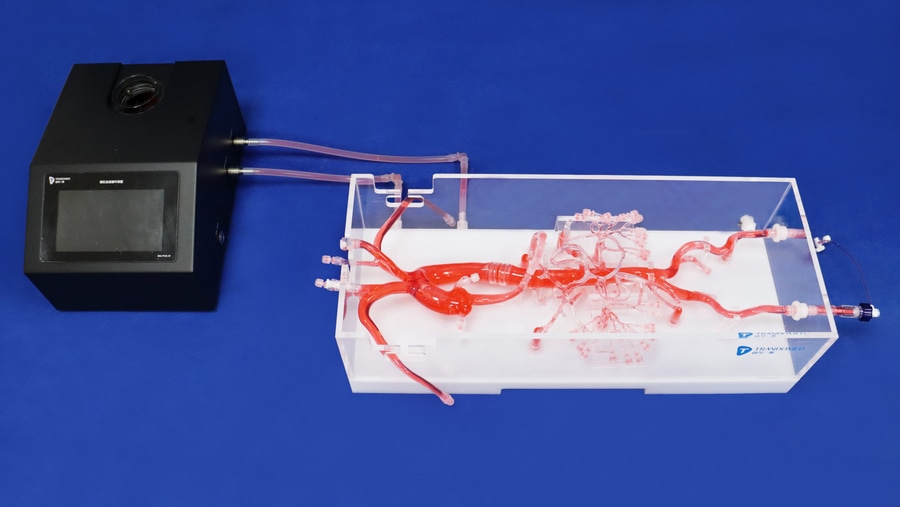
Model:Abdominal Vascular (FBD001)
Renal artery stenosis (RAS) refers to the narrowing of the main or branch renal arteries on one or both sides due to various reasons, and it is one of the most common causes of secondary hypertension. The early symptoms of slowly developing renal artery stenosis are not obvious and can be easily overlooked. Consider this condition in cases of refractory hypertension or a sudden sharp increase in blood pressure within a short period of time. It is recommended to seek timely medical attention, where treatment methods such as open surgery, minimally invasive intervention, and composite surgery can be used to relieve renal artery stenosis or blockage.
Common Causes:
1.Atherosclerosis
2.Arteritis
3.Dysplasia of renal artery muscle fibers
Clinical Presentations:
1.Renovascular hypertension: More common in young individuals, with a short history and rapid progression of the disease. Sudden worsening of pre-existing hypertension; abdominal or lumbar pain or a sharp rise in blood pressure after injury (indicative of renal artery embolism or renal artery dissection aneurysm); often no family history of hypertension; generally unsatisfactory response to antihypertensive drugs.
2.Ischemic kidney disease: Slowly progressive decline in renal function, nocturia, decreased urine specific gravity and osmotic pressure, elevated serum creatinine, mild proteinuria, and a small amount of red blood cells and casts in the urine. Some patients with renal artery stenosis may have vascular murmurs in the abdomen or lumbar region.
Risks of the Disease:
Renal artery stenosis is an important cause of hypertension and/or renal dysfunction. Without proper treatment, the condition tends to worsen progressively. Some renal arteries may progress from stenosis to occlusion, leading to gradual deterioration of renal function. Some patients may progress to end-stage renal disease as a result.
Treatment:
1.General treatment: Smoking cessation, blood sugar and lipid control.
2.Drug therapy: Antihypertensive medication forms the basis of treatment for renovascular hypertension. Drugs such as ACE inhibitors/ARBs, calcium channel blockers, and beta-blockers can be used.
3.Surgical treatment: Renal artery stenting, endarterectomy, bypass surgery, and autologous renal transplantation.
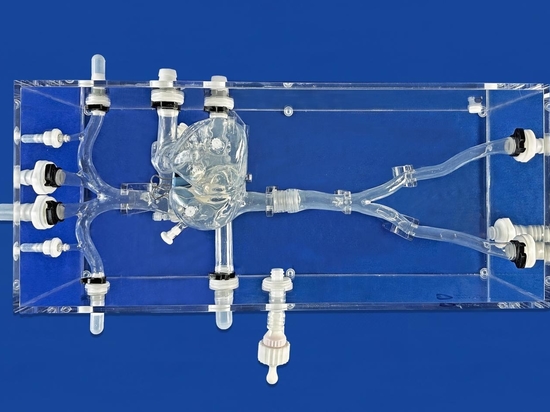
The FBD001 Abdominal Vascular Model offers a comprehensive simulation of the abdominal arterial vascular system, including crucial components like the femoral artery, iliac artery, abdominal aorta, thoracic aorta, aortic arch, and a range of abdominal arteries such as the celiac trunk, hepatic artery, splenic artery, gastric artery, renal artery, and superior mesenteric artery.
The versatility of the FBD001 model extends to its usage across various applications, including the development, testing, and validation of peripheral intervention devices like guide wires, catheters, balloons, and stents. It serves as a valuable tool for training and demonstrating abdominal artery intervention procedures, as well as lower extremity vascular intervention techniques such as transfemoral intervention utilizing the crossover technique. Additionally, the model supports training in the transfemoral approach for interventions, enhancing practical skills and knowledge in vascular procedures.
Customization options for the FBD001 model abound, offering flexibility to tailor the simulation to specific requirements. From replacing the aortic arch with variations like Type II arch, Type III arch, or anomalous arch (representing aortic arch malformations), to adding common lesions such as aneurysms, stenosis, and embolisms to the abdominal sections, the model can be fine-tuned to address diverse educational and training needs for renal artery stenosis.