#Product Trends
Little Guardians of Children's Respiratory Health: Prevention and Management of Common Respiratory Diseases
Little Guardians of Children's Respiratory Health: Prevention and Management of Common Respiratory Diseases
Children's respiratory systems are more delicate and vulnerable than those of adults. They are easily affected by pathogens and environmental factors, which can lead to a variety of respiratory illnesses. These diseases not only impact their physical health but can also disrupt daily life and learning. As parents and caregivers, it's important to become "little guardians" of children's respiratory health—actively preventing and properly responding to common respiratory conditions. This article provides practical knowledge and guidance on understanding children's respiratory traits, recognizing common diseases, and implementing effective prevention and treatment strategies.
1. Understanding the Characteristics of Children's Respiratory Systems
1.1 Physiological Features
Compared to adults, children have narrower airways and more delicate mucous membranes with rich blood supply. These features make them more susceptible to infections and environmental irritants. Additionally, their immune systems are still developing, which limits their ability to fight off pathogens. Underdeveloped respiratory muscles and immature lung function further increase their risk of respiratory illnesses.
1.2 Susceptibility Factors
Children are also more vulnerable due to various external factors such as seasonal climate changes, air pollution, poor nutrition, and lack of physical activity. These can all lower immunity and increase their likelihood of developing respiratory conditions.
2. Common Respiratory Diseases in Children
2.1 Acute Respiratory Infections
Acute respiratory infections are among the most common illnesses in children. These include upper respiratory infections (like the common cold) and lower respiratory infections (such as bronchitis and pneumonia). Upper respiratory infections are usually caused by viruses and present with symptoms like sore throat, nasal congestion, and runny nose. Lower respiratory infections may affect the trachea, bronchi, or lungs and can lead to more severe symptoms such as coughing, wheezing, and difficulty breathing.
2.2 Asthma
Asthma is a chronic inflammatory disease of the airways, characterized by recurrent wheezing, chest tightness, and coughing. Triggers include allergens, cold air, and physical exertion. Managing asthma requires long-term medication and lifestyle adjustments.
2.3 Bronchitis
Bronchitis is an inflammation of the bronchial tubes, usually caused by viral or bacterial infections. Symptoms include persistent coughing, phlegm production, and wheezing. Treatment focuses on addressing the infection and relieving symptoms through cough suppressants and expectorants.
2.4 Tonsillitis
Tonsillitis is a common upper respiratory infection in children, often caused by viruses or bacteria. Signs include swollen tonsils, sore throat, and difficulty swallowing. Management includes antimicrobial therapy (if needed), hydration, and maintaining good oral hygiene.
3. Prevention Strategies
3.1 Strengthening Immunity
Good nutrition is the foundation of a strong immune system. Ensure children consume sufficient protein, vitamins, and minerals. Encourage regular outdoor physical activity to enhance overall health and resilience.
3.2 Promoting Healthy Habits
Teach children proper hygiene practices such as frequent handwashing, not sharing personal items, and covering their mouths when coughing or sneezing. Maintain good indoor air circulation and limit exposure to crowded public spaces.
3.3 Vaccinations
Vaccination is a key method for preventing infectious respiratory diseases. Ensure children are up to date on recommended vaccines such as the flu vaccine and pneumococcal vaccine.
3.4 Allergen Avoidance
Allergies are a major trigger for many respiratory conditions. Identify and avoid common allergens like pollen, dust mites, and pet dander. If a child has known allergies, consult a doctor for appropriate treatment and management.
3.5 Staying Warm and Humidified
During colder seasons or when temperatures fluctuate, keep children warm to prevent illness. Maintain appropriate indoor humidity using a humidifier, which helps ease dry airways and reduce respiratory discomfort.
4. Management and Treatment
4.1 Seek Medical Attention Promptly
At the onset of respiratory symptoms, consult a healthcare professional for proper diagnosis and treatment. Avoid self-medicating with antibiotics or antivirals without medical advice.
4.2 Symptomatic Treatment
Depending on the condition, treatment may involve antitussives, expectorants, or bronchodilators. Follow prescribed medication courses and monitor the child’s progress and side effects.
4.3 Rest and Nutrition
Ensure children get plenty of rest and sleep during recovery. Provide easily digestible, nutritious meals to support healing. Avoid spicy or irritating foods that may worsen symptoms.
4.4 Emotional Support
Illness can cause anxiety and discomfort in children. Offer emotional reassurance, love, and encouragement. Engage them in light activities or games to ease their mood and aid recovery.
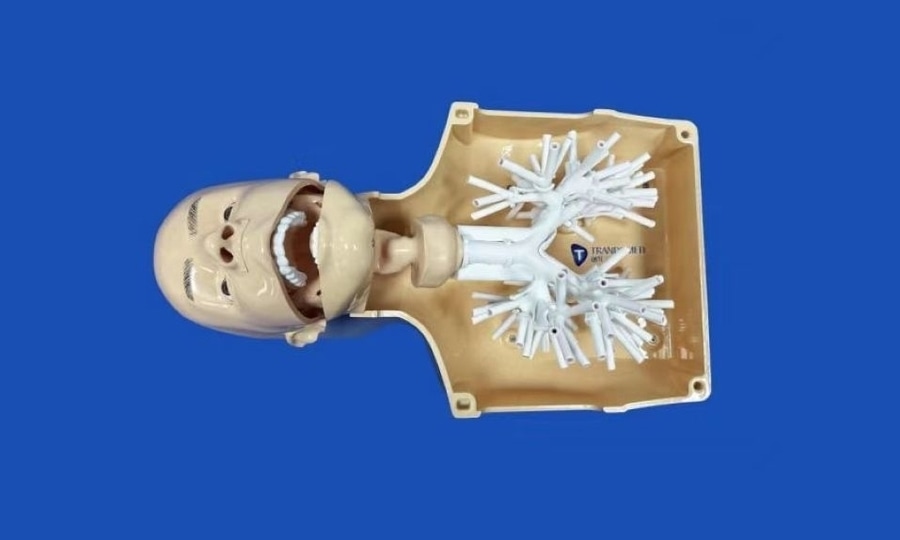
5. Enhancing Pediatric Respiratory Education with 3D-Printed Bronchial Models
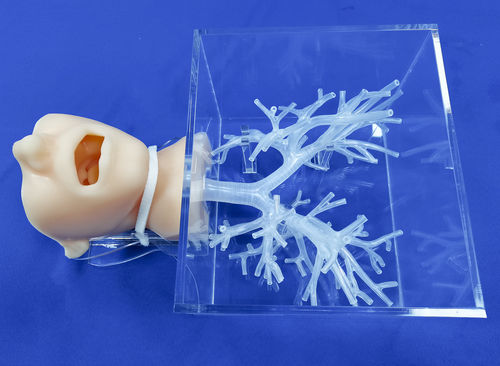
To improve healthcare education and clinical training, our team has developed a realistic 3D-printed bronchial model designed specifically for pediatric respiratory simulation. This model replicates the structure of the bronchial tree and can be used to demonstrate bronchoscopy procedures, simulate respiratory conditions, and enhance the understanding of airway anatomy in medical education. It is an effective tool for both teaching and clinical skill development, bridging the gap between theory and practice.