#Product Trends
Understanding Colorectal Cancer and the Importance of Colonoscopy
Understanding Colorectal Cancer and the Importance of Colonoscopy
Colorectal cancer is one of the most common cancers worldwide, but with early detection, it is also one of the most preventable and treatable. One of the most effective tools for screening and diagnosis is colonoscopy—a widely used procedure that allows doctors to examine the inner lining of the colon and rectum.
What is a Colonoscopy?
A colonoscopy is a medical procedure in which a long, flexible tube with a camera (called a colonoscope) is inserted into the rectum to inspect the entire colon. This procedure not only helps in detecting signs of colorectal cancer but also allows doctors to perform biopsies, remove polyps, and even treat certain conditions during the same session.
Doctors recommend colonoscopies not only for individuals showing symptoms of intestinal disorders but also as a routine screening for healthy individuals aged 50 to 75 years, even if they have no symptoms. For those at average risk, it is advised to undergo a colonoscopy every 10 years, or perform a fecal occult blood test (FOBT) every 1 to 2 years as part of regular colorectal health screening.
Common Symptoms of Colorectal Cancer
In its early stages, colorectal cancer often causes no noticeable symptoms, making regular screening especially important. However, being aware of warning signs can also lead to earlier diagnosis and better outcomes. Some common symptoms include:
Persistent changes in bowel habits (diarrhea or constipation lasting more than two weeks)
Blood in the stool or excessive mucus
A feeling of incomplete bowel emptying
Abdominal discomfort (persistent pain, bloating, fullness, or cramping)
Unexplained weight loss and fatigue
Risk Factors for Colorectal Cancer
Several lifestyle and genetic factors can increase the risk of developing colorectal cancer. These include:
Age 50 or above, particularly among men
Low fiber intake
High consumption of red and processed meats
Lack of physical activity
Obesity
Smoking and alcohol consumption
Hereditary bowel conditions
Chronic inflammation of the colon (e.g., ulcerative colitis)
History of colon polyps
Family history of colorectal cancer, especially in first-degree relatives (parents, siblings, or children)
Enhancing Training with Our Colonoscopy Simulator
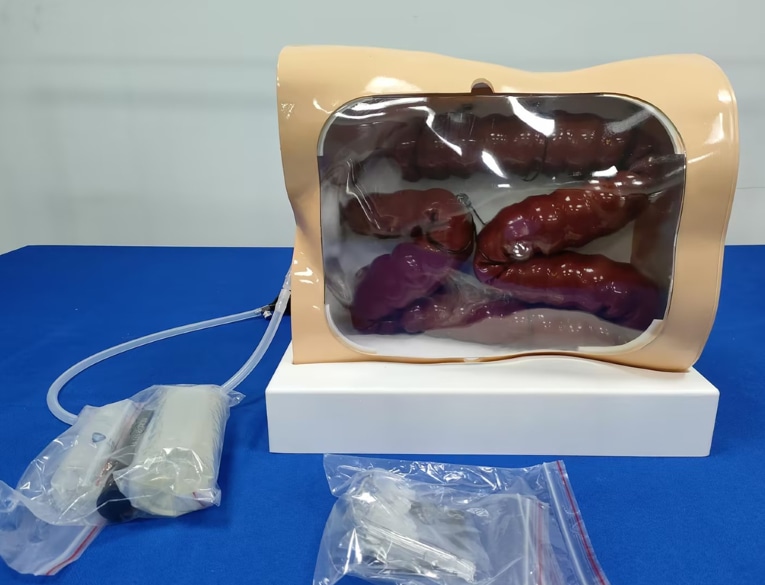
To ensure more accurate and safer colonoscopy procedures, proper training for medical professionals is essential. That’s why we’ve developed our Colonoscopy Simulator—a high-fidelity virtual training tool designed for both medical students and experienced practitioners.
Our simulator offers a realistic, hands-on experience that allows users to practice navigating the colon, identifying polyps, and performing biopsies in a risk-free environment. It helps improve confidence, refine techniques, and ultimately contributes to better patient outcomes.
Whether you're a healthcare provider aiming to improve your endoscopic skills or a medical institution seeking advanced training solutions, our Colonoscopy Simulator is a cutting-edge tool that brings innovation and safety to the forefront of medical education.