#Product Trends
How to treat acute lower extremity arterial embolism
How to treat acute lower extremity arterial embolism
The most common form of embolism is a thrombus originating from the heart (a common cause is atrial fibrillation leading to atrial thrombosis), which breaks off and blocks the arteries of the lower limbs. This causes acute ischemia in the lower limbs, resulting in symptoms. Acute arterial embolism has a rapid onset and severe symptoms. If extensive embolism occurs and surgery is not performed promptly, it can lead to limb ischemia and necrosis. Therefore, once diagnosed, immediate treatment is necessary, including drug therapy and surgical intervention.
Drug therapy is fundamental: it includes anticoagulation, vasodilators, thrombolysis, and analgesia. Anticoagulation or antiplatelet therapy, in particular, is a foundational medication. Surgical intervention should be performed promptly in conjunction with drug therapy. The optimal surgical approach for acute arterial embolism is thrombectomy using a Fogarty catheter under X-ray guidance. This procedure offers the best and most definitive results. Other minimally invasive surgical options include catheter-based thrombolysis, thrombectomy using a suction catheter (and balloon dilation and stent implantation). Surgical treatment for arterial embolism also includes amputation, for cases where limb necrosis has occurred, manifesting as mottled or even blackened skin, blisters, and complete loss of sensation and movement in the distal extremities. Amputation needs to be considered to alleviate symptoms and save the life; thrombectomy is ineffective and may even allow a large amount of toxins to enter the body, threatening life.
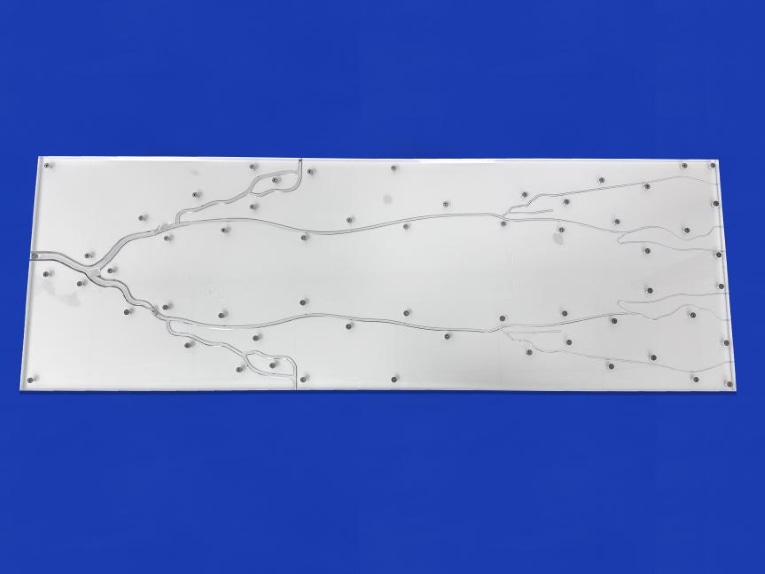
The 2D flat lower limb arterial model is a flat structure printed from acrylic material. The model consists of the abdominal aorta, iliac artery, femoral artery access, popliteal artery, anterior tibial artery, peroneal artery, and dorsalis pedis artery. It can be used for guidewire and catheter intervention training, instrument demonstrations, etc.