#Product Trends
Carotid Endarterectomy (CEA): Industry Knowledge Overview
Carotid Endarterectomy (CEA): Industry Knowledge Overview
Carotid Endarterectomy (CEA) is a well-established and widely performed surgical procedure used to treat patients at high risk of stroke due to carotid artery atherosclerotic stenosis. By directly removing atherosclerotic plaque from the carotid artery, the procedure restores cerebral blood flow and is considered one of the most effective interventions for preventing ischemic stroke.
Clinical Background and Indications
Carotid atherosclerosis is one of the leading causes of ischemic stroke. CEA is generally recommended for patients with severe carotid artery stenosis (typically ≥70%) or for those who have experienced symptoms such as transient ischemic attack (TIA) or ischemic stroke. Compared with medical therapy alone, CEA has been shown to significantly reduce the risk of future stroke events.
Basic Surgical Principles
During the procedure, a surgical incision is made in the neck to expose the affected carotid artery. After temporary vascular clamping, the artery is opened longitudinally, and the atherosclerotic plaque attached to the arterial intima is carefully dissected and removed. The artery is then closed, often with a patch angioplasty to enlarge the vessel lumen and reduce the risk of postoperative restenosis.
Technical Considerations and Risk Management
Key technical challenges of CEA include:
• Accurate identification of plaque boundaries to prevent residual plaque or intimal injury;
• Cerebral perfusion protection, often achieved through the use of a carotid shunt when necessary;
• Minimization of perioperative complications, such as stroke, cranial nerve injury, and bleeding.
Advances in preoperative imaging—such as carotid ultrasound, CTA, and MRA—along with improved surgical techniques, have significantly enhanced the safety and outcomes of CEA.
Comparison with Carotid Artery Stenting (CAS)
With the development of endovascular techniques, Carotid Artery Stenting (CAS) has emerged as an alternative treatment option. However, substantial clinical evidence indicates that for most standard-risk patients, CEA offers superior long-term stroke prevention and a more favorable safety profile. As a result, CEA remains the “gold standard” treatment for high-grade carotid artery stenosis.
Industry and Technology Trends
In the fields of medical devices and medical education, ongoing developments related to CEA include:
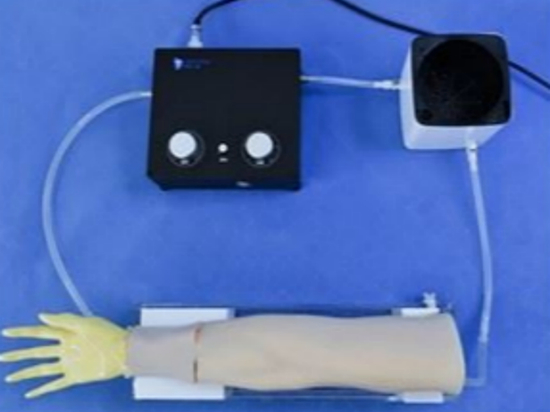
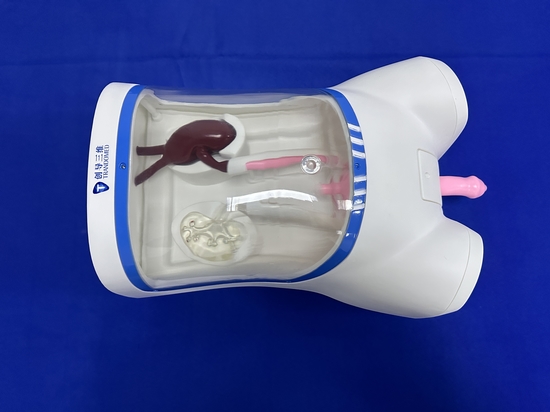
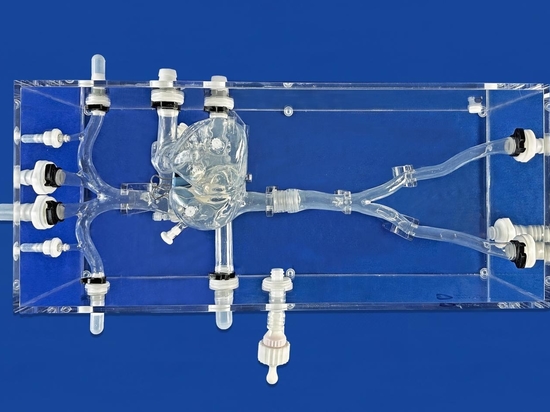
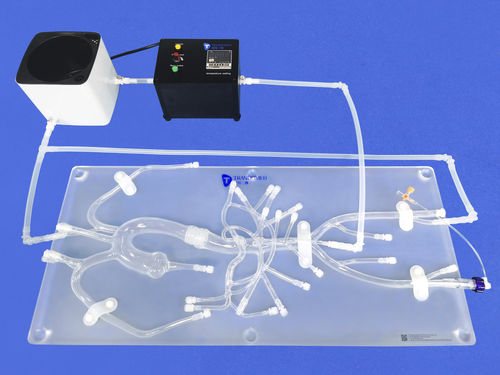
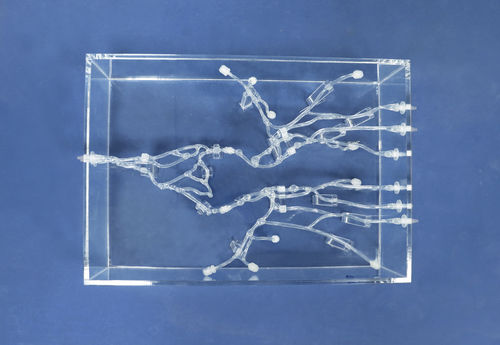
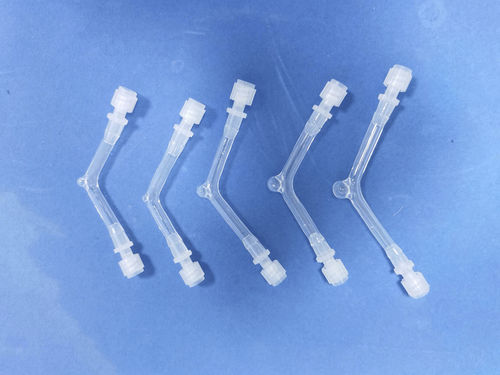
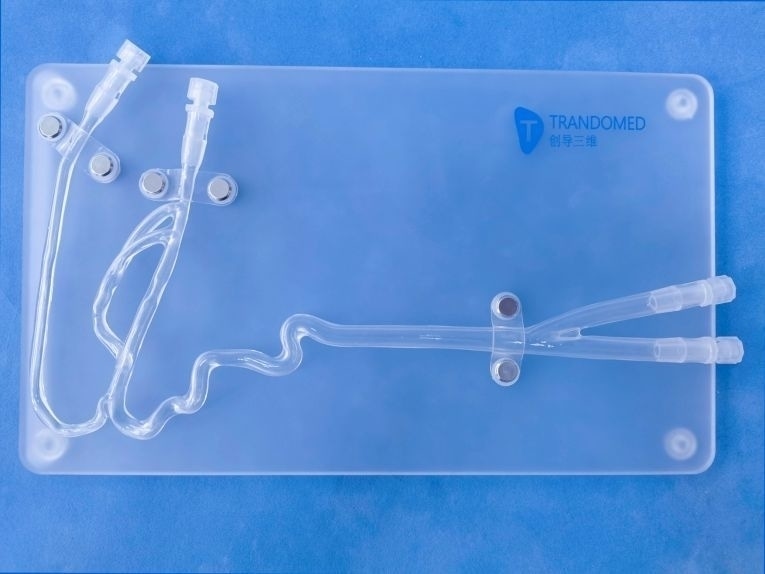
• High-fidelity carotid anatomy and plaque models for surgical training and device evaluation;
• Customized models incorporating realistic lesion characteristics such as calcified plaques, soft plaques, and ulcerated lesions;
• Simulation-based systems for skill assessment and standardized training of surgeons.
These innovations are driving the evolution of CEA from experience-dependent procedures toward more standardized, repeatable, and training-oriented practices.