#Product Trends
What are the causes of carotid artery stenosis?
What are the causes of carotid artery stenosis?
The carotid artery is a major blood vessel that transports blood from the heart to the head, face, and neck, and it is also one of the primary blood - supplying vessels for the brain. The formation of plaques in the cervical blood vessels significantly elevates the risk of myocardial infarction, stroke, and peripheral vascular diseases such as lower extremity arteriosclerosis. Generally speaking, the degree of internal carotid artery stenosis is classified into four grades: mild stenosis, moderate stenosis, severe stenosis, and complete occlusion in sequence.
The causes of carotid artery stenosis are as follows:
Atherosclerosis: This is the most common cause of carotid artery stenosis. Atherosclerosis is a systemic and degenerative disease that affects arteries throughout the body. It is characterized by the gradual growth of plaques, which eventually lead to luminal stenosis and reduced antegrade blood flow. Atherosclerosis can also affect the carotid arteries, thereby increasing the risk of stroke in affected patients.
Fibromuscular Dysplasia (FMD): This is a non - atherosclerotic degenerative lesion that can involve medium - diameter arteries, such as the renal arteries and carotid arteries. The lesions usually span a relatively long segment. Its clinical manifestations mainly include asymptomatic cases, as well as transient ischemic attacks (TIAs) or strokes.
Carotid Artery Dissection: This condition is caused by blunt trauma or sudden neck hyperextension; in rare cases, it can occur spontaneously. Intimal tears resulting from dissection can lead to luminal stenosis or secondary thrombosis.
Vasculitis: Although rare, vasculitis can also affect the carotid arteries or intracranial arteries.
Post - Radiation Carotid Artery Stenosis: Radiation therapy can cause arterial damage. Several years after radiation treatment, the carotid arteries may develop stenosis or even occlusion.
Restenosis after Carotid Endarterectomy (CEA): Restenosis occurring within 2 years after CEA is mostly related to intimal hyperplasia, with an incidence rate of approximately 5%. Recurrence of atherosclerosis can also lead to restenosis, which generally develops several years after the endarterectomy procedure.
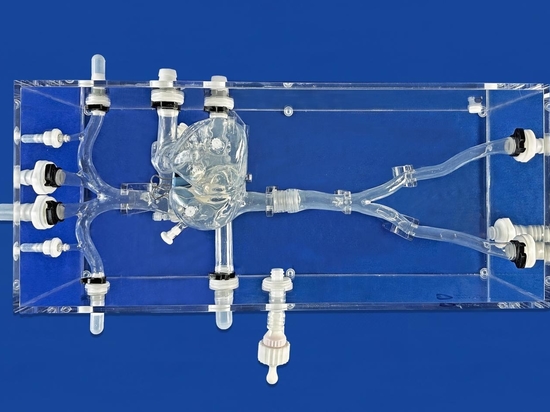
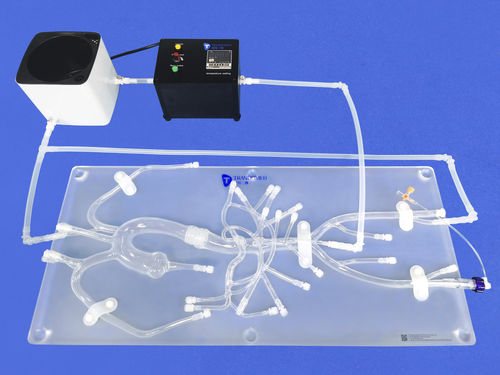
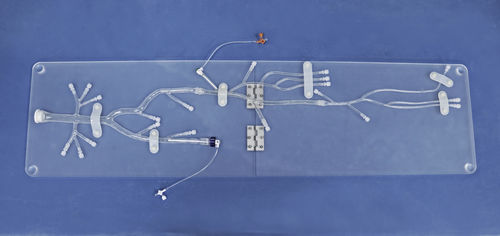
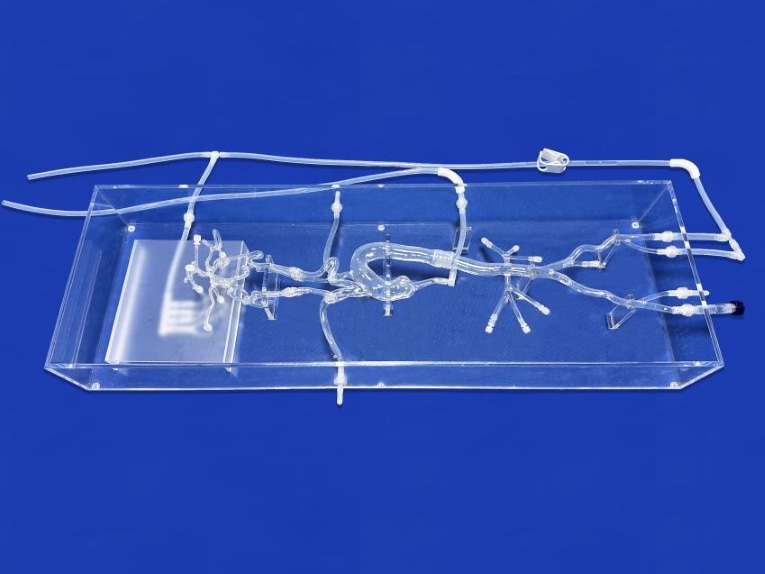
The neurointerventional vascular model developed by Trando 3D features a three - dimensional spatial structure. This model encompasses the entire intracranial vascular system, including the carotid arteries, vertebral arteries, circle of Willis, anterior cerebral arteries, middle cerebral arteries, and posterior cerebral arteries. Both bilateral carotid arteries are designed with complex tortuous lesions, with two 360° tortuosities and two 180° tortuosities on each side. In addition, lesions such as aneurysms and stenosis can be customized according to specific needs. The model can be widely applied in the development and verification of neurointerventional devices, as well as in interventional teaching and training.