#Product Trends
What are the common knowledge points regarding PICC catheterization for children undergoing chemotherapy for tumors?
What are the common knowledge points regarding PICC catheterization for children undergoing chemotherapy for tumors?
The full name of PICC is Peripherally Inserted Central Catheter. Characterized by simple and safe operation as well as a low risk of catheter-related infections, it is widely used in chemotherapy for pediatric oncology patients.
When selecting a PICC catheter for children, medical staff should take the patient’s age, physical condition and chemotherapy regimen into consideration to choose an appropriate catheter type with suitable length. The insertion of a PICC catheter must be performed by professional medical personnel under sterile conditions. During the procedure, close attention should be paid to the catheter’s position and insertion depth, and measures should be taken to prevent catheter kinking and displacement. For patients, one crucial point to bear in mind is that regular PICC care and dressing changes are required. This includes flushing the catheter, replacing the dressings, and conducting routine checks for catheter displacement. An X-ray must be taken to confirm the catheter’s correct position before each use. It is also essential to be aware of potential PICC-related complications, such as catheter-associated infections, catheter occlusion and thrombosis. Therefore, regular follow-ups and monitoring are necessary throughout the period of catheter use.During the use of a PICC catheter, patients should avoid pulling or bumping the catheter with external force to prevent dislodgement or displacement. They should also keep the catheter insertion site dry and clean to avoid infections and skin irritation.
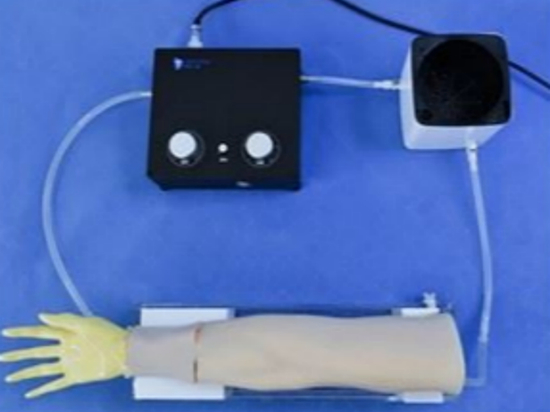
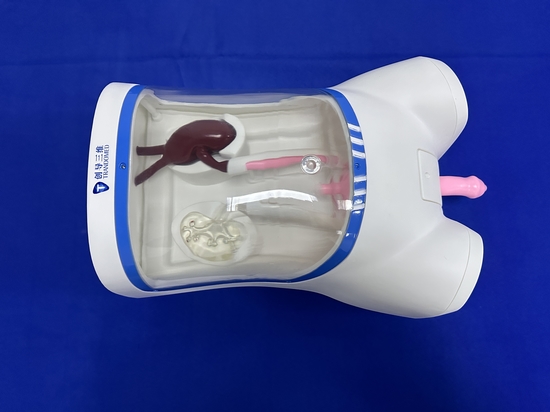
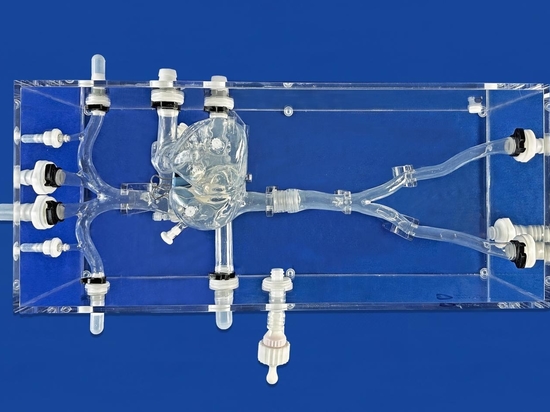
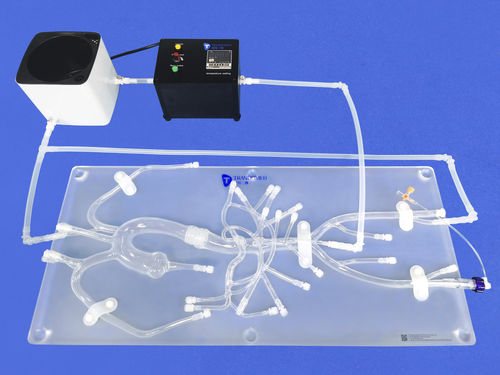
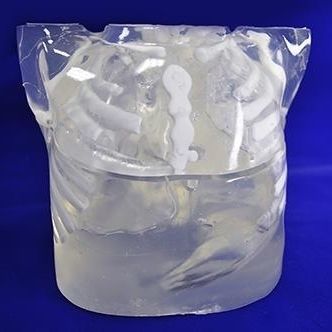
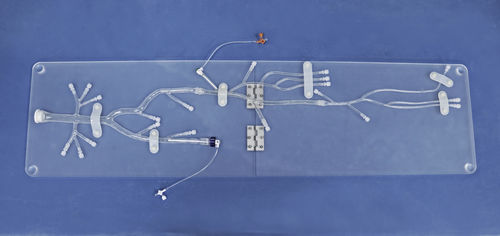
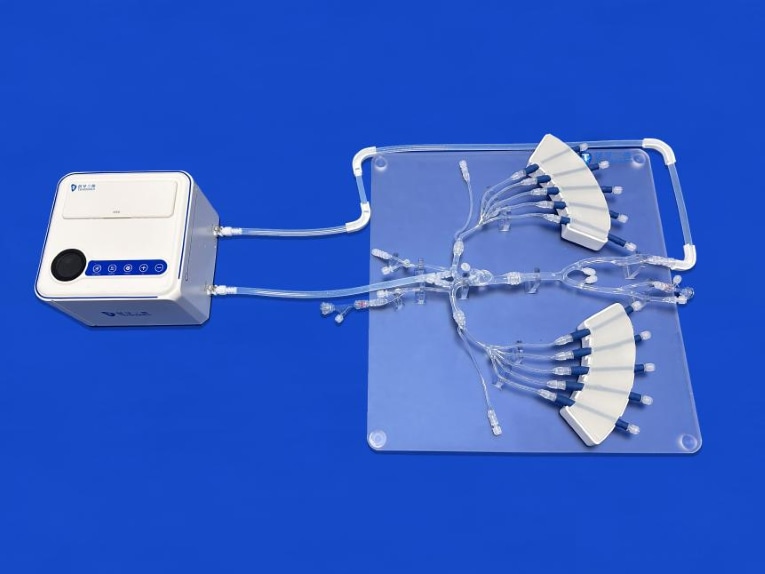
The PICC vascular model is a simulator designed for demonstrating the procedure of peripherally inserted central catheterization in children. It is equipped with simulated puncture and cannulation sites for the basilic vein, cephalic vein, brachial vein, internal jugular vein, iliac vein and femoral vein. The model allows the catheter tip to be advanced all the way to the middle and lower segment of the superior vena cava, and further down to the position of the right atrium, thus realistically simulating the pediatric PICC insertion procedure. This model is mainly used for the testing, training and demonstration of pediatric PICC catheterization.