#Product Trends
Neurointerventional Surgery Procedure
Neurointerventional Surgery Procedure
Neurointerventional surgery is a minimally invasive treatment method that diagnoses and treats neurological diseases via a vascular approach under image guidance. The entire procedure mainly includes three stages: preoperative preparation, surgical operation, and postoperative management. The core goal is to precisely treat the lesion with minimal trauma.
1.Preoperative Preparation
1.1Assessment and Diagnosis: Imaging examinations such as CT, MRI, and MRA are used to clarify the nature and location of the lesion. For patients with cerebrovascular disease, cerebral angiography (DSA) is also required, which is the "gold standard" for cerebrovascular examination.
1.2Patient Preparation: Complete laboratory tests such as complete blood count, coagulation function, and liver and kidney function. Patients must fast and abstain from water for 6-8 hours before the procedure, and receive pre-anesthesia medication 30 minutes before the procedure.
1.3Surgical Plan: A detailed surgical plan is developed based on the lesion condition, including the selection of the puncture site, instrument preparation, and determination of the anesthesia method.
2.Surgical Operation
2.1Puncture and Sheath Placement: A vascular puncture is performed in the groin or arm, and an arterial sheath is inserted to establish vascular access.
2.2Angiography: Contrast agent is injected through a catheter, and the morphology of blood vessels and the location of lesions are clearly displayed under DSA equipment.
2.3Interventional Treatment:
* Ischemic Diseases: Blood flow is restored using methods such as balloon dilation, stent placement, mechanical thrombectomy, or arterial thrombolysis.
* Hemorrhagic Diseases: Aneurysms or malformed vascular clusters are embolized using coils to prevent rebleeding.
* Tumor Treatment: Embolization of the tumor-feeding arteries or local chemotherapy drug infusion is performed through a catheter.
2.4Intraoperative Monitoring: Closely monitor the patient's vital signs; general anesthesia and endotracheal intubation may be necessary.
3.Postoperative Management
3.1Observation and Nursing Care: Postoperatively, the patient needs to rest in bed, and the limb on the puncture side should be immobilized for 6-8 hours. Monitor vital signs and changes in neurological function.
3.2Drug Therapy: Administer anticoagulants, antiplatelet drugs, and neurotrophic drugs (such as mecobalamin) as prescribed.
3.3Discharge Instructions: Instruct the patient to maintain a light diet, avoid strenuous exercise, and have regular follow-up examinations.
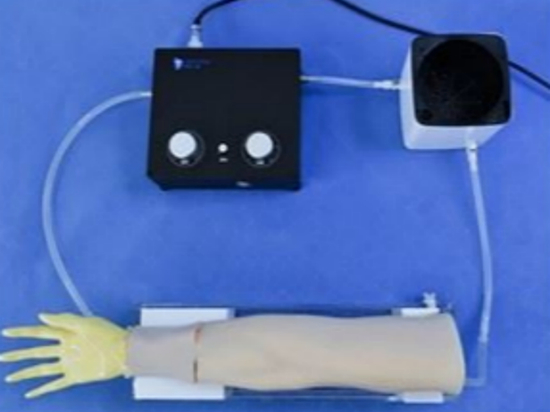
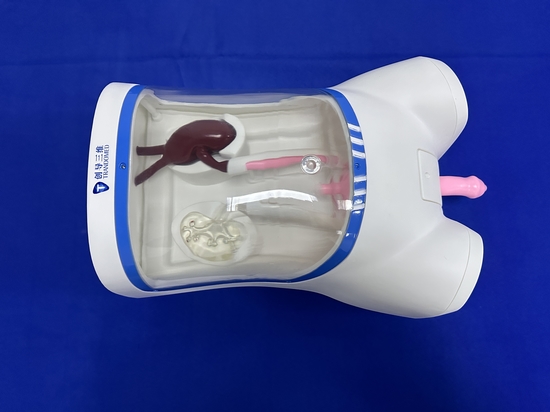
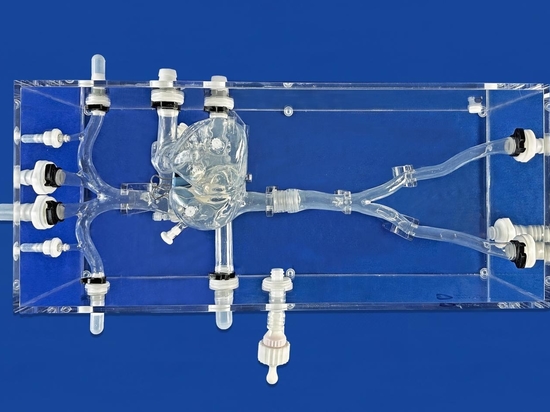
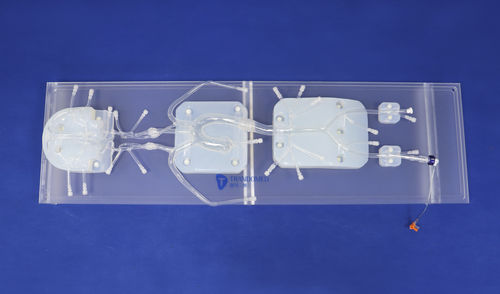
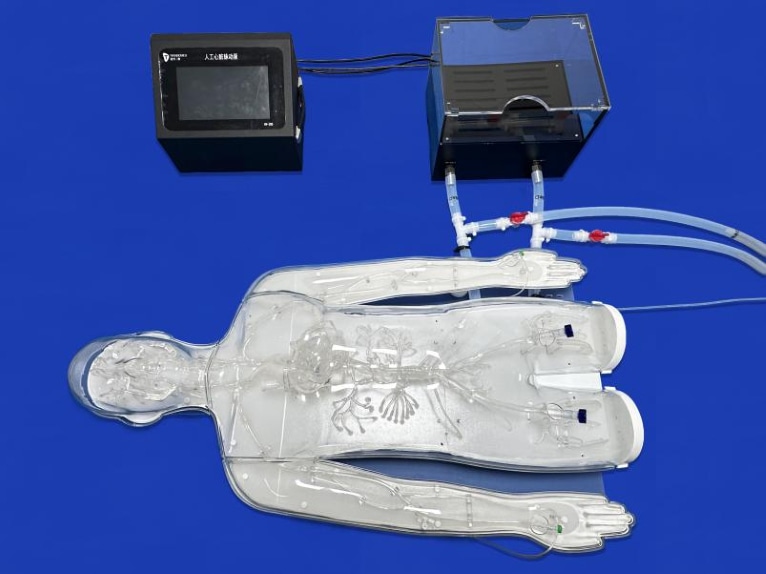
The Whole-Body Vascular Interventional Surgery Training System is a specialized training simulator for neurovascular interventional surgery, providing a highly realistic interactive surgical environment. Based on data from real human CT or MRI scans, it reconstructs a 3D model of human arteries. Using a patented formula of special silicone as the raw material, and employing a fully proprietary 3D printing process, the silicone blood vessels are produced to a 1:1 scale, accurately reproducing the spatial structure and inner diameter of blood vessels within the human body, resulting in a high degree of simulation. The blood vessel material is transparent, elastic silicone, closely resembling the elasticity and coefficient of friction of normal human blood vessels.