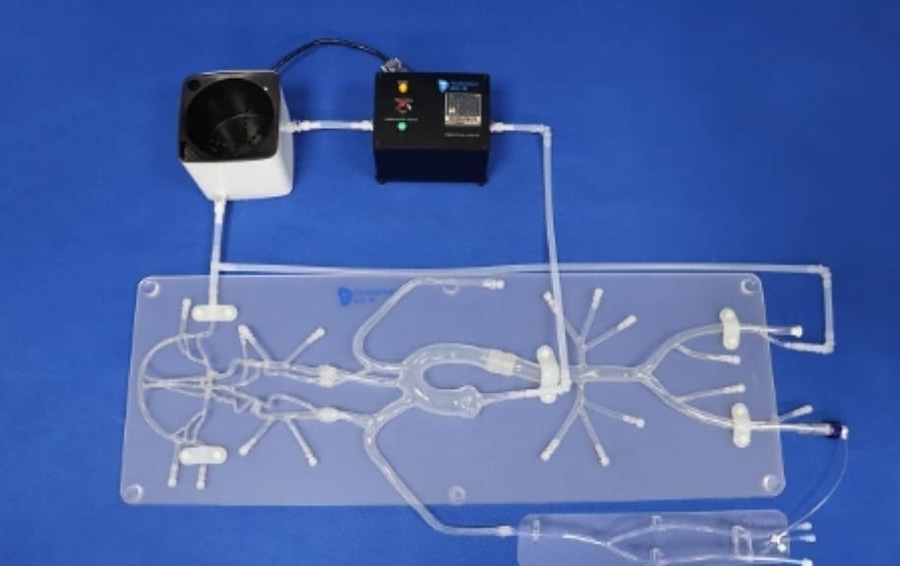
#Product Trends
How to treat cerebral embolism?
How to treat cerebral embolism?
Critical Time Windows for Acute Treatment
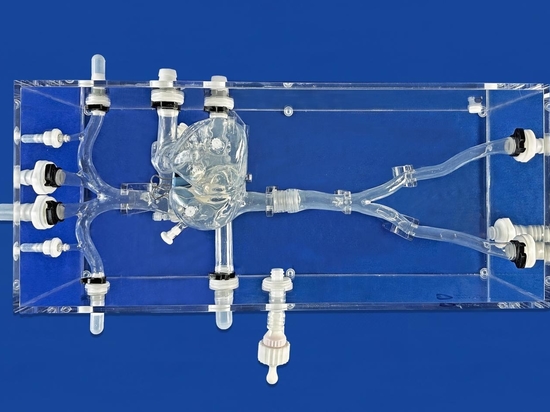
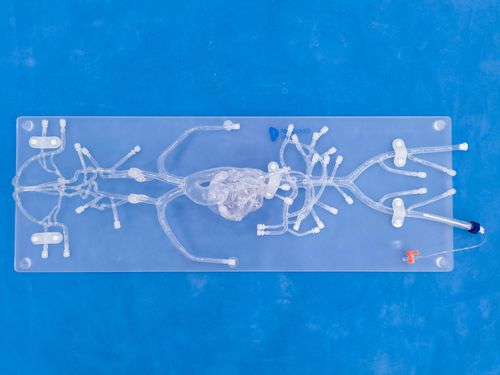
Early detection and treatment are generally key for cerebral embolism. To prevent further aggravation of cerebral ischemia and expansion of the infarct area, intravenous thrombolysis should be initiated within 6 hours of onset. Within 24 hours of onset, appropriate acute-phase endovascular intervention (mechanical thrombectomy) using the Neuro Vascular system can be performed in hospitals with the necessary facilities.
Critical Time Windows for Acute Treatment
Thrombolytic therapy: The purpose of thrombolysis is to reopen blood vessels and restore blood supply to the brain. It is the most important treatment for cerebral embolism and includes arterial and intravenous thrombolysis.
Surgical treatment:
1. Neuro Vascular Mechanical thrombectomy: The purpose is to remove the thrombus blocking the blood vessel, reopening the vessel and restoring blood supply to the brain. It is suitable for patients who do not respond to thrombolysis or are deemed suitable for mechanical thrombectomy by medical evaluation.
2. Decopressive craniectomy: The purpose is to reduce intracranial pressure and save the patient's life. When the infarct area is large and cerebral edema severely affects the patient's life, this surgery is necessary as an emergency. Family consent is required.
3. Oxygen therapy: The purpose is to provide the patient with sufficient oxygen.
4. Antihypertensive therapy: The goal is to stabilize the patient's blood pressure within a safe range to ensure the effectiveness of treatment.
5. Hypoglycemic therapy: The goal is to stabilize the patient's blood sugar within a safe range to ensure the effectiveness of treatment.
6. Endotracheal intubation: The goal is to assist breathing with endotracheal intubation and mechanical ventilation for patients who cannot effectively maintain respiration.
Once the patient has passed the critical period, or if the patient cannot receive thrombolysis, mechanical thrombectomy, or other treatments, the general principle of treatment is to improve cerebral circulation and prevent recurrence of cerebral embolism. Simultaneously, the patient needs rehabilitation therapy to restore function as much as possible and improve their ability to perform daily activities. Without timely treatment, the mortality rate of cerebral embolism is high, with an acute-phase mortality rate of 5%–15%. The patient's symptoms may worsen, leading to complete loss of function of ischemic and necrotic brain tissue, potentially resulting in early death; or leaving severe limb disabilities, speech disabilities, intellectual disabilities, etc., significantly reducing the quality of life for the patient and their family.