#Industry News
Analyzing How the Coronary Vein Intervention Model Breaks the Bottleneck in Cardiovascular Training
Analyzing How the Coronary Vein Intervention Model Breaks the Bottleneck in Cardiovascular Training
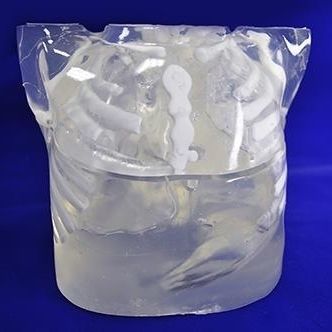
Currently, the number of people suffering from cardiovascular diseases in my country has exceeded 350 million, and its mortality rate ranks first among urban and rural residents, accounting for nearly 50% of all deaths. Coronary vein intervention surgery, through procedures such as implanting pacemaker electrodes and performing radiofrequency ablation in the coronary venous system, effectively improves heart rhythm, alleviates heart failure symptoms, and increases patient survival rates, and has become a core treatment option for cardiovascular diseases. The Vena Cava Heart Model III (with Right Atrium) serves as a critical tool for mastering these intricate procedure
Anatomical Fidelity and Pathological Simulation
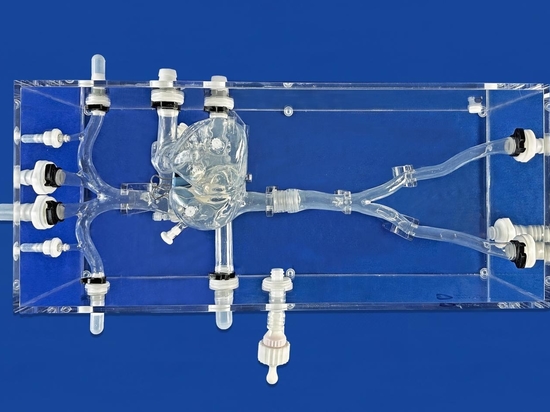
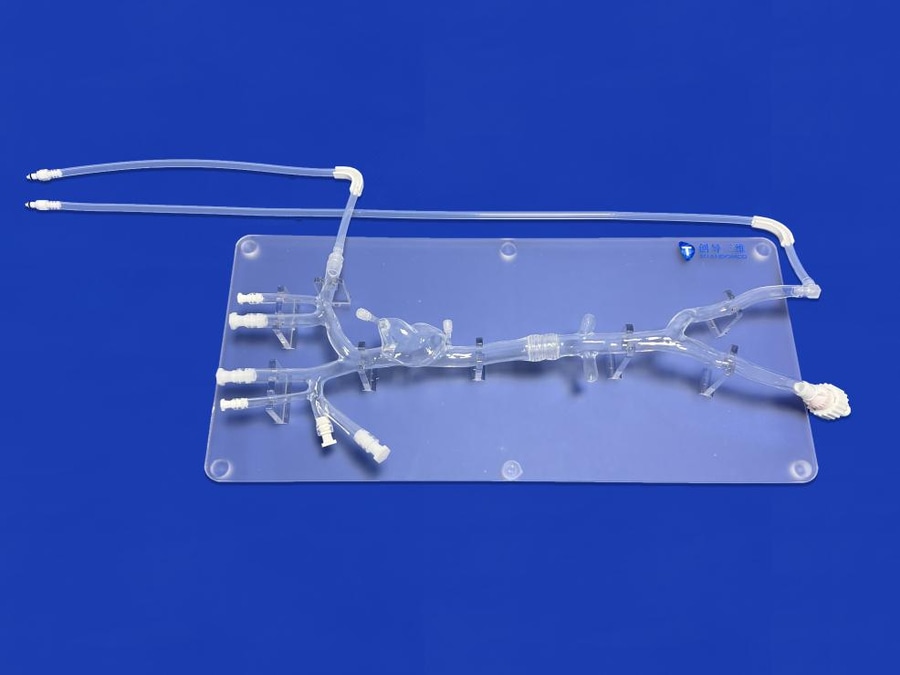
Trando 3D specifically addresses the pain points of traditional training by launching a coronary vein intervention training model developed based on real human cardiac vein CT data. It fully recreates core structures such as the subclavian vein, right atrium, ventricle, coronary sinus, coronary veins, and their branches. The vessel course, diameter, and branch angles are all consistent with human anatomical standards. Simultaneously, the model can simulate common clinical anatomical lesions such as coronary sinus ostium stenosis and the presence of accessory coronary veins, allowing trainees to familiarize themselves with complex cases in advance and effectively improve their ability to handle emergencies. The Vena Cava Heart Model III (with Right Atrium) excels in replicating these challenging anatomical variations.
Haptic Feedback and Visualization Technology
In terms of materials, the model is made of high-transparency soft silicone with a hardness of 40A. The model's vessel wall flexibility closely resembles that of human vein tissue, allowing physicians to perceive realistic resistance feedback when inserting guidewires and electrodes. The transparent material enables full visualization of the procedure, facilitating trainees' observation of guidewire movement and electrode positioning, and enabling instructors to provide real-time guidance and correction.
Versatile Applications in Medical Training and R&D
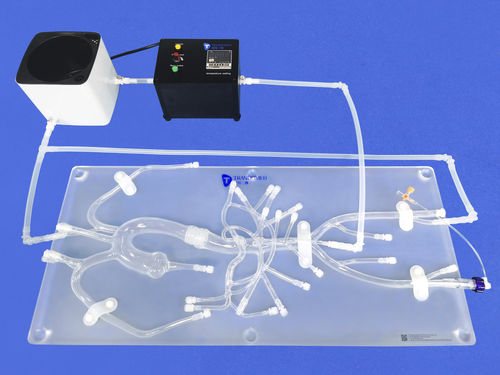
In actual training, the model not only supports pacemaker guidewire and lead electrode implantation training but can also be used for functional testing and demonstration of related surgical instruments. Its overall size facilitates transport and makes it suitable for use in hospital skills training centers, medical school laboratories, and medical device company R&D testing environments. The Vena Cava Heart Model III (with Right Atrium) is an ideal solution for diverse professional settings requiring high-fidelity simulation.