#Industry News
How to treat mesenteric vascular ischemia?
How to treat mesenteric vascular ischemia?
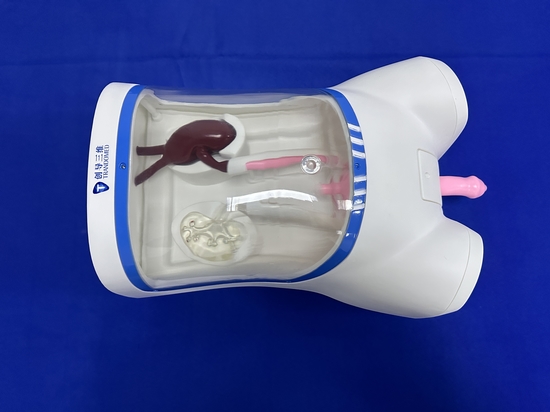
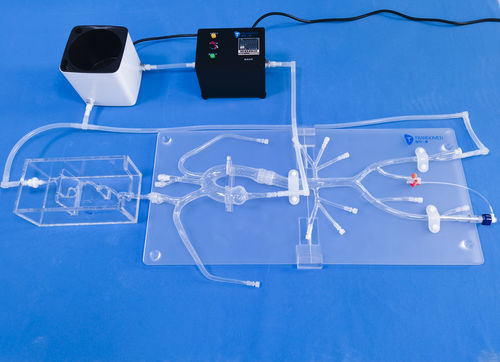
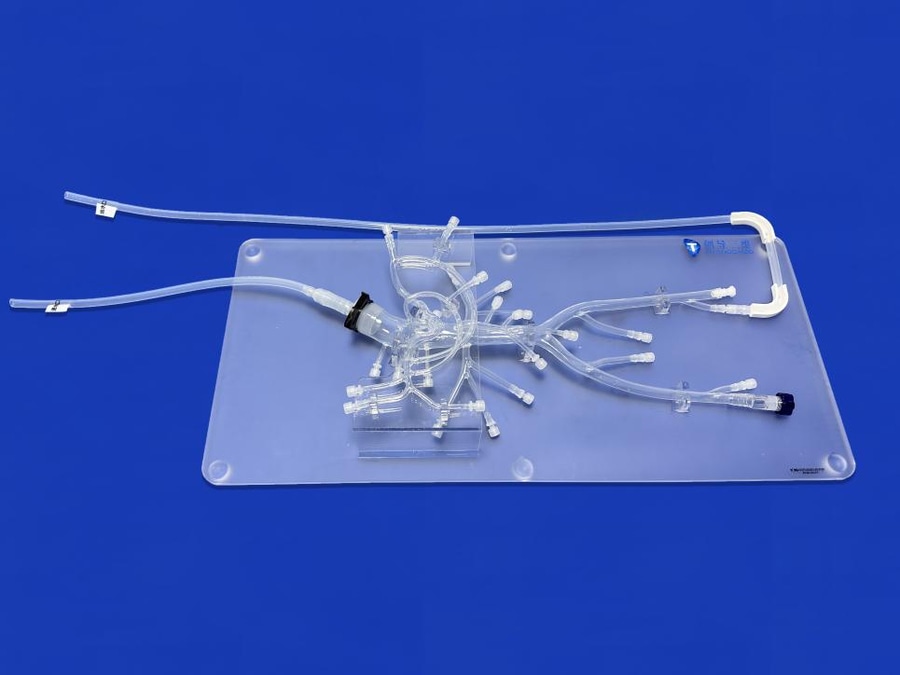
"Early detection and diagnosis are crucial for treating this disease, significantly improving treatment outcomes, patient quality of life, and reducing mortality. Treatment methods, often demonstrated using an Abdominal Region Model, primarily include conservative therapy, surgical therapy, and interventional therapy."
Pharmacological Treatment:
1.Vasodilator therapy: Common medications include glucagon, which increases blood supply to ischemic vessels.
2.Anticoagulation therapy: Common medications include heparin, which improves the body's hypercoagulable state and prevents thrombosis.
3.Intravenous fluid replacement: Intravenous fluid replacement with normal saline ensures adequate hydration and reduces blood viscosity.
4.Maintaining water and electrolyte balance: Diarrhea can disrupt the body's water and electrolyte balance, potentially causing multi-organ damage if not corrected promptly. Potassium chloride may be supplemented depending on the patient's condition.
Surgical Treatment:
1.Arterial embolization and thrombectomy: Surgical instruments are inserted through a blood vessel to remove the thrombus.
2.Necrotic bowel resection: Necrotic bowel segments are surgically removed. Early bowel resection, depending on the patient's condition, can reduce the extent of bowel necrosis and lower infection and mortality rates.
3.Laparoscopic minimally invasive surgery: This minimally invasive procedure uses laparoscopy to examine the bowel wall for edema, bleeding, or even necrosis. If necrosis is present, the necrotic segment must be removed. The incision is small, and recovery is rapid.
"4. Superior mesenteric artery-abdominal aortic bypass: This is an interventional treatment method that uses the patient's own great saphenous vein or an artificial blood vessel to connect the distal end of the narrowed superior mesenteric artery to the abdominal aorta. This allows blood to bypass the narrowed section and reach the ischemic bowel segment, preventing large-scale necrosis due to ischemia. Surgeons often use an Abdominal Region Model to pre-plan this complex vascular route.
5.Catheter-guided thrombolysis: This involves inserting a thrombolytic catheter with many small holes into the site of the thrombus under traction guidance. Thrombolytic drugs are slowly injected to dissolve the thrombus. Post-operatively, anticoagulant medication must be taken as prescribed to prevent recurrence.
Disease Progression and Outcome:
1.Without proper treatment, the disease progresses rapidly, potentially causing extensive necrosis of the affected intestinal segment, further leading to infection, which can result in toxic shock, multiple organ failure, and even death.
2.With proper treatment, most patients recover well, the recurrence rate is relatively low, and the mortality rate can be significantly reduced.