#Industry News
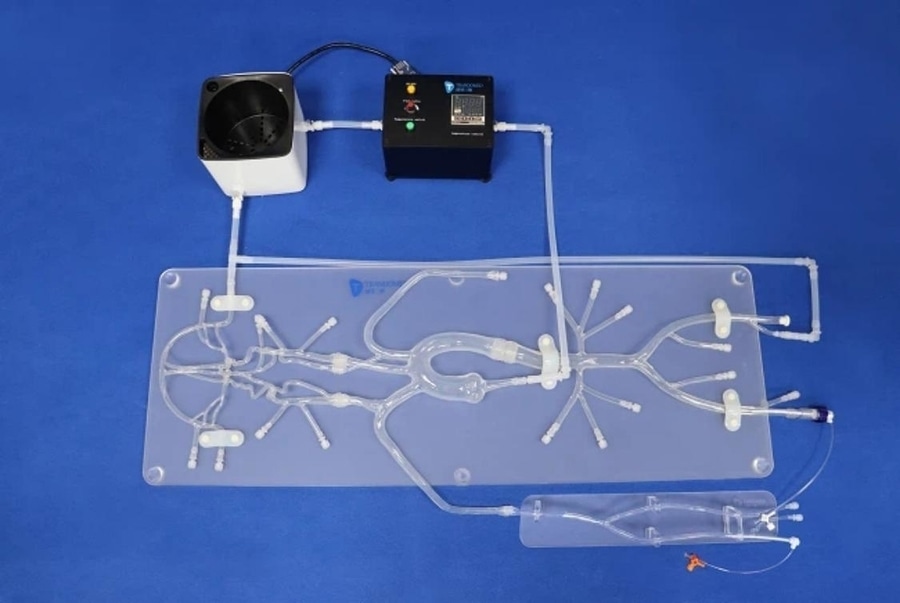
Tailored Intracranial Vessel Models: Trandomed’s Custom Solutions for Neurointervention
Tailored Intracranial Vessel Models: Trandomed’s Custom Solutions for Neurointervention
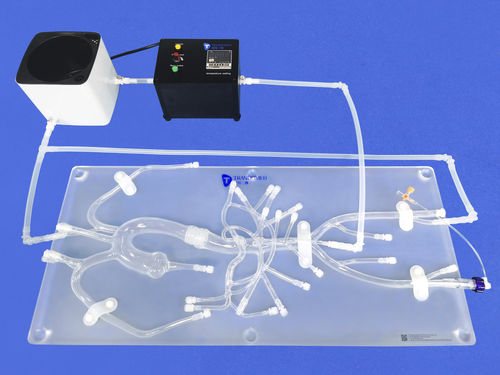
In neurointervention, one-size-fits-all approaches fall short. Every patient's intracranial vasculature is unique, with distinct tortuosity, diameters, and pathologies-making customization the cornerstone of effective training, device testing, and procedural rehearsal. At Trandomed, we specialize in delivering patient-specific, 3D-printed intracranial vessel models tailored exactly to your clinical and research needs.
Why Custom Matters in Neurointervention
The brain's vascular network-from the internal carotid artery to the Circle of Willis and distal cerebral arteries-exhibits profound anatomical variability. Standardized models of the Neuro Vascular system often fail to replicate rare pathologies, complex aneurysms, or patient-specific vessel geometry, leading to:
1.Inadequate training for high-risk cases (eg. wide-neck aneurysms, severe stenosis, or vessel tortuosity)
2.Inaccurate testing of neurointerventional devices (microcatheters, stents, coil systems)
3.Gaps in procedural rehearsal for complex endovascular workflows
4.Custom models eliminate these barriers by mirroring real-human anatomy-ensuring your team trains, tests, and rehearses on anatomically precise platforms.
Trandomed's Custom Intracranial Vessel Models: Built for Your Needs
Our core strength lies in flexible, data-driven customization, powered by advanced 3D reconstruction and high-resolution 3D-printing technology. Every model is crafted from actual patient CT/MRI data or your provided design files (STL, STEP, CAD), ensuring 1:1 accuracy of:
1.Vascular geometry: Exact replication of vessel tortuosity, branching angles, and inner/outer diameters (from the aortic arch to A2/M2 segments of cerebral arteries)
2.Pathologies: Customizable aneurysms (size, location, neck width), stenosis, arteriovenous malformations (AVMs), dissections, or embolic lesions
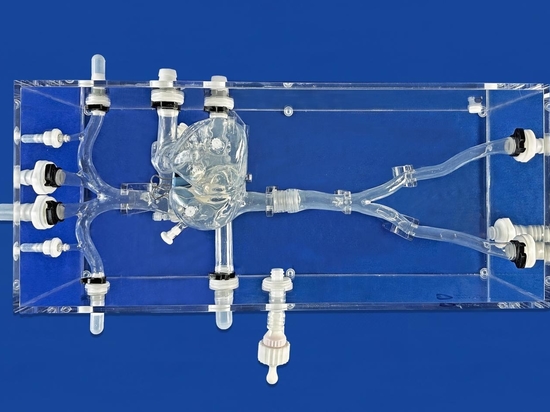
3.Modular design: Interchangeable segments (e.g., aortic arch, carotid, intracranial parts) for multi-scenario testing; compatible with standard neurointerventional training .
Key Applications for Custom Neurovascular Models
Clinical Training & Education
Master complex procedures (aneurysm coiling, thrombectomy, stent placement) on patient-specific anatomy. Ideal for neurosurgeons, interventional radiologists, and fellows to refine techniques without patient risk.
Medical Device R&D & Testing
Validate the performance of microcatheters, guidewires, stents, and embolization coils. Our models replicate real-world challenges (e.g., tight curves, fragile walls) to test pushability, navigability, and device compatibility-accelerating R&D and regulatory approval.
Procedural Rehearsal
Plan high-risk surgeries by rehearsing on a 1:1 replica of the patient's vasculature. Reduce intraprocedural complications, optimize device selection, and improve surgical confidence.
Academic & Pharmaceutical Research
Support hemodynamic studies, flow simulation, and drug testing with anatomically accurate, reproducible models.
The Trandomed Advantage
1.Unmatched Precision: Derived from real clinical data, with 3D printing delivering micron-level detail.
2.Durable & Transparent: High-quality, biocompatible materials ensure long-term use; transparent options enable real-time visualization of device navigation and blood flow.