#Industry News
Five Key Criteria for Selecting Cardiovascular Simulation Models
Five Key Criteria for Selecting Cardiovascular Simulation Models
1. Anatomical Accuracy and Data Authenticity:
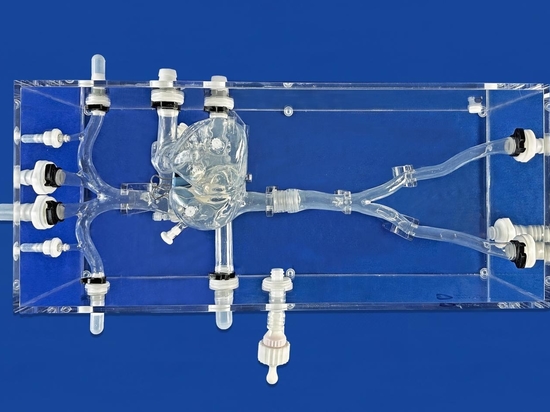
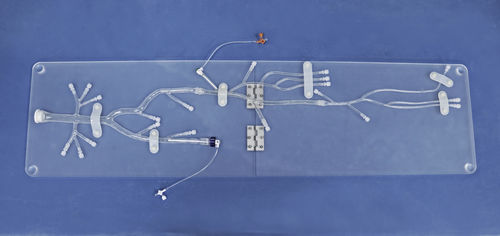
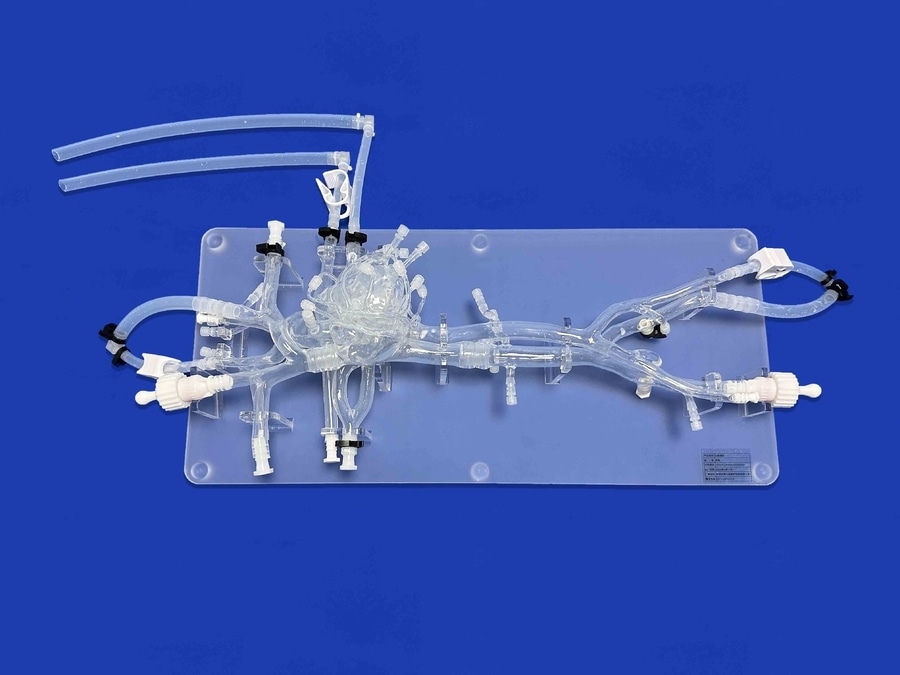
Heart Model With Lower Limb Vein must be based on real clinical medical imaging data (such as CT and MRI) for 3D reconstruction, ensuring that the angles of vascular branches, internal diameters, and spatial structures are consistent with the human body. Leading manufacturers in the industry can control the error of vascular internal diameter to within 0.3mm, and the compliance parameters are highly consistent with real blood vessels. This accuracy not only guarantees the authenticity of teaching but is also the "touchstone" for hemodynamic testing of devices.
2. Functional Adaptability and Modular Design:
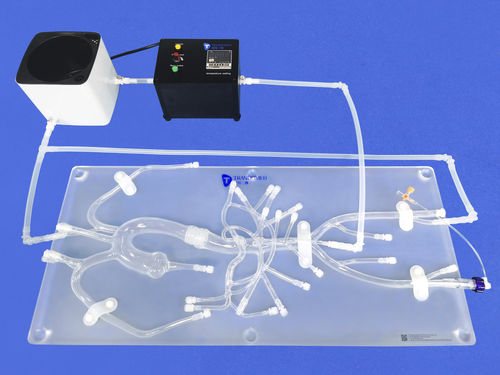
Modern medical training needs are increasingly diversified, and single-function models are no longer sufficient to meet complex scenarios. Excellent cardiovascular models should support guidewire and catheter interventional procedures, hemodynamic simulation (adjustable pressure/flow rate), and cover the training needs of different subspecialties such as coronary intervention, electrophysiology, and structural heart disease. Modular design allows users to flexibly combine models according to actual needs, significantly improving equipment utilization and training relevance.
3. Materials Science and Manufacturing Reliability:
The durability and operability of the model directly affect long-term operating costs. Medical-grade high-polymer silicone and other safe materials not only need to simulate the feel, elasticity, and puncture resistance of real tissue, but also need to possess good abrasion resistance and chemical resistance to withstand frequent instrument handling and routine sterilization procedures. The manufacturing process should incorporate advanced technologies such as 3D printing and mold making to ensure consistency and stability in mass production.
Technological Foresight and Innovation Integration Medical training in 2025 will increasingly rely on high-tech, highly realistic, and intelligent teaching tools. Forward-thinking manufacturers will integrate sensor technology, data-driven evaluation systems, and AI feedback mechanisms to achieve real-time monitoring and intelligent guidance during procedures.
Supplier Comprehensive Strength and Service System A manufacturer's continuous R&D capabilities, technical support level, and after-sales service guarantees are equally crucial. When selecting a supplier, one should examine whether the company has a professional medical-engineering integration team, whether it possesses multidisciplinary customization capabilities, and whether it has mature successful cases. High-quality suppliers not only provide products but also become long-term technical partners, supporting continuous iteration and upgrades of functions.